
Trump Defeats GOP Critic Massie in Kentucky Primary

Seven-term congressman Thomas Massie loses Kentucky Republican primary to Trump-backed candidate after years of opposing the former president on key issues.
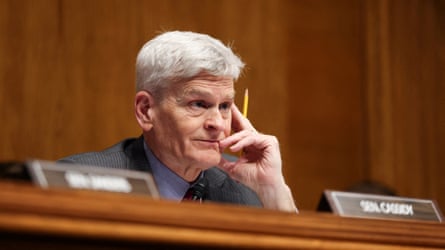
In a significant political showdown that underscores the continued influence of former President Donald Trump within the Republican Party, voters in northern Kentucky decisively rejected seven-term incumbent congressman Thomas Massie during Tuesday's primary election. The defeat marks a notable victory for Trump, who had actively campaigned against Massie and backed an alternative candidate to represent the district. This primary battle represented far more than a typical candidate dispute—it served as a referendum on Trump's power to shape Republican politics and reward allies while punishing internal critics.
Thomas Massie, who has represented Kentucky's 4th Congressional District since 2012, earned a reputation as one of the most vocally critical Republicans regarding Trump's policies and positions. Throughout his tenure in Congress, Massie consistently spoke out against what he viewed as executive overreach, reckless government spending, and what he perceived as inadequate transparency regarding controversial matters. His independent streak and willingness to challenge party leadership—regardless of which party controlled Congress—had earned him both admiration from libertarian-leaning Republicans and criticism from Trump loyalists.
The specific points of contention between Massie and Trump reveal deep ideological rifts within the modern Republican Party. Massie's criticism of Trump centered on several key issues that define contemporary political debates. First, Massie had been consistently skeptical of military intervention, particularly regarding potential conflict with Iran. He argued that the United States should pursue diplomatic solutions rather than military escalation in the Middle East. Additionally, Massie had been an outspoken critic of what he termed excessive government spending, frequently voting against appropriations bills and highlighting wasteful expenditures within the federal budget.

Beyond economic and foreign policy disagreements, Massie had also called for greater congressional oversight and transparency regarding sensitive government matters. His push for increased access to the Jeffrey Epstein files and other classified documents reflected his broader commitment to what he viewed as necessary government accountability. These positions, while resonating with a certain segment of Republican voters who prioritize civil liberties and limited government, made him an obvious target for Trump, who has little tolerance for public criticism from within party ranks.
The primary contest in Kentucky represented part of a broader Tuesday primary election cycle that saw voters in multiple states heading to the polls. Pennsylvania held its primaries on Tuesday, as did Georgia, Alabama, Oregon, and Idaho. These simultaneous elections provided crucial insights into voter preferences and the current state of the Republican Party heading toward the general election season. The results across these five states would collectively paint a picture of Trump's enduring influence over the GOP electorate.
Georgia also proved significant on Tuesday, as another prominent Trump critic suffered electoral defeat in their primary contest. This pattern of Trump-backed candidates defeating Republican incumbents or establishment figures who questioned the former president suggested a clear message from voters in these states: loyalty to Trump remained a critical factor in Republican primary politics. The defeats of Trump critics in multiple states demonstrated that the former president's influence extended well beyond Kentucky, suggesting a broader consolidation of Trump's power within Republican circles.
Meanwhile, in Alabama, a Trump ally successfully won their primary race, further reinforcing the theme of Trump's political dominance across the Tuesday contests. These victories for Trump-endorsed candidates across multiple states suggested that primary voters remained responsive to the former president's endorsements and actively punished candidates he opposed. For Trump, the Tuesday results validated his strategy of treating certain primaries as personal political contests where his influence could determine outcomes.
As American political campaigns continue to evolve, the Kentucky primary serves as a bellwether for broader trends within the Republican Party. The defeat of an experienced, seven-term incumbent who dared to publicly criticize Trump demonstrates the significant cost of dissent within contemporary Republican politics. Massie's loss suggests that independent thinking, even when paired with substantial legislative experience and constituent service, may no longer provide sufficient protection against a well-funded primary challenge backed by Trump's political machine.
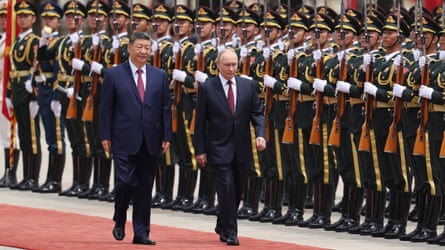
The international dimension of Tuesday's news cycle added additional complexity to the political landscape. Putin's strategic priorities regarding reciprocal trade and investment reflected Russia's ongoing economic struggles stemming from its prolonged war in Ukraine and the comprehensive sanctions regime imposed by Western nations. Russia's economy continues to face significant headwinds, with international partnerships and trade relationships becoming increasingly strained due to the conflict.
China's role as Russia's largest trading partner took on heightened significance in this context, as Beijing purchases nearly half of Moscow's oil exports. This economic interdependence underscores the complex geopolitical dynamics between major powers and the extent to which authoritarian regimes have become economically intertwined despite periodic tensions. For Putin, maintaining this critical relationship with China represents a vital lifeline as Western sanctions continue to constrain Russia's economic options.
On the broader foreign policy stage, concerns about Middle East instability continued to dominate international discourse. Officials involved in diplomatic efforts emphasized the dangers inherent in further regional escalation, warning that additional hostilities threatened to destabilize an already fragile region. These diplomatic messages sought to emphasize the importance of restraint and dialogue even as multiple regional actors pursued conflicting objectives and ambitions.
The theme of international conflict prevention appeared prominently in statements from major powers, with leaders warning against what was described as a return to the
Source: The Guardian


