
Trump Disputes Prince Harry's Ukraine Stance

Donald Trump claims he speaks for the UK more than Prince Harry after the Duke of Sussex's impassioned speech at Kyiv Security Forum supporting Ukraine.
In a striking display of diplomatic disagreement, Donald Trump has publicly challenged Prince Harry's authority to speak on behalf of the United Kingdom regarding international affairs. The US president made his remarks in response to the Duke of Sussex's comprehensive and emotionally charged address delivered at the Kyiv Security Forum on Thursday, where Harry underscored the importance of the United States fulfilling its commitments to Ukraine during its ongoing conflict with Russia. Trump's statement, 'I think I am speaking for the UK more than Prince Harry... but I appreciate his advice very much,' signals a significant rift in perspectives between the two figures on how Western nations should approach the geopolitical crisis unfolding in Eastern Europe.
Prince Harry's visit to Kyiv marked a significant moment in his public role as a former military officer and humanitarian advocate. During his surprise trip to Ukraine's capital, the Duke of Sussex delivered an impassioned plea for the United States to maintain its unwavering support for Ukraine as the nation continues its fourth year of devastating conflict with Russian forces. His speech at the prestigious security forum emphasized the moral and strategic imperative for Western nations to stand firm in their commitments to defending Ukrainian sovereignty and territorial integrity. The ex-serviceman drew upon his military background to lend credibility to his arguments about the importance of sustained international support for nations under siege.
It is important to note that Prince Harry made no explicit claim to represent the official position of the United Kingdom government during his remarks. His address was presented as a personal perspective informed by his experience as a veteran and his humanitarian work rather than as an authoritative statement on behalf of the British state. This distinction is crucial in understanding the context of Trump's response, which appeared to conflate Harry's personal advocacy with an attempt at diplomatic representation. The nuance of Harry's positioning as a concerned individual rather than an official spokesperson was largely absent from Trump's retort.
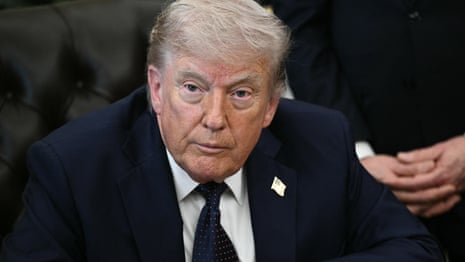
The exchange between Trump and Prince Harry reflects broader tensions within the Western alliance regarding the appropriate level and nature of support for Ukraine. Ukraine conflict has become a defining issue for international relations, with varying perspectives on military aid, diplomatic negotiations, and long-term strategic commitment. Trump's assertion that he speaks more authentically for the UK than the Duke of Sussex appears to be an attempt to position himself as a more legitimate voice on British interests, despite his position as a foreign leader without formal diplomatic authority to make such claims. This rhetorical move raises questions about the appropriate boundaries of international political commentary and representation.
The Kyiv Security Forum where Prince Harry delivered his speech is a significant venue for discussing international security matters and Ukraine's position in the broader geopolitical landscape. Harry's decision to make a surprise visit to the Ukrainian capital demonstrates a commitment to supporting the nation during a critical period of its conflict with Russia. His presence at the forum, alongside his carefully crafted remarks about Western obligations, was intended to amplify the message that democratic nations must not waver in their support for Ukraine. The symbolism of a British royal family member traveling to an active conflict zone to deliver such a message was not lost on international observers.
US president Trump's response to Harry's speech must be understood within the context of his overall approach to international involvement and military commitments abroad. Throughout his political career, Trump has questioned the extent of American military engagement in foreign conflicts and has advocated for a more transactional approach to international relations. His critique of Prince Harry's intervention on the Ukraine issue aligns with his broader skepticism about the necessity and wisdom of sustained American support for the Ukrainian war effort. By positioning himself as a more authentic voice for British interests than a member of the Royal Family, Trump attempted to undermine Harry's credibility on the matter.
The US obligations Ukraine represents a central point of contention in current American foreign policy debates. Harry's speech emphasized the importance of the United States maintaining its moral and strategic commitments to Ukraine, while Trump's response suggested skepticism about such open-ended commitments. The Trump administration has historically viewed American military and financial aid through a lens of cost-benefit analysis, questioning whether such expenditures serve direct American interests. This fundamental difference in perspective between Harry and Trump reflects a broader ideological divide about the role of liberal democracies in supporting other nations threatened by authoritarian aggression.
Prince Harry's decision to use his platform and influence to advocate for strong international support for Ukraine demonstrates his evolution into a more politically engaged public figure. As an ex-serviceman, Harry brings a unique perspective informed by his military service in Afghanistan and his understanding of the sacrifices required in armed conflict. His credibility on security matters is grounded in this personal experience, which he has increasingly leveraged in his public commentary on international affairs. The combination of his royal status and military background gives his statements considerable weight in diplomatic circles and among the international public.
The tension between Trump and Prince Harry over who legitimately speaks for British interests highlights the complex nature of modern political discourse, where non-governmental figures increasingly participate in high-level geopolitical debates. Harry's positioning as an independent voice rather than an official representative allows him to speak with greater freedom than traditional diplomats, but also makes him subject to criticism from political rivals who question the basis of his authority. Trump's response to Harry's speech exemplifies how even carefully qualified personal statements can become fodder for political disagreement and attempts to discredit the speaker's standing to address such matters.
Looking forward, the exchange between Trump and Prince Harry is likely to continue influencing discussions about the appropriate role of public figures in foreign policy advocacy. The Ukrainian conflict remains a defining challenge for the international community, and voices from various quarters will continue to weigh in on how Western nations should respond. Whether through official governmental channels or through the personal advocacy of influential individuals like Prince Harry, the debate over Western support for Ukraine will remain central to global security discussions. Trump's dismissive response to Harry's intervention suggests that this disagreement will likely persist as a point of contention in broader discussions about American foreign policy direction and international alliances.
Source: The Guardian


