
Trump Issues Iran Ultimatum After US Military Fires on Tanker

President Trump threatens Iran with intensified bombing campaign as US military disables Iranian oil tanker attempting to breach naval blockade of Iranian ports.
In a dramatic escalation of tensions with Tehran, President Trump issued a stark warning to Iranian leadership on Wednesday, demanding they accept a comprehensive deal to end ongoing hostilities or face devastating military consequences. The ultimatum came mere hours after the US military engaged an Iranian-flagged oil tanker in a direct confrontation that underscored the heightening military posture in the region and signaled the Trump administration's willingness to use force to enforce its geopolitical demands.
The warning from Trump proved particularly pointed in its language, with the president specifically cautioning Tehran that any future military operations would unfold "at a much higher level and intensity than it was before." This rhetorical escalation accompanied concrete military action, establishing a pattern of synchronized diplomatic pressure and armed force that characterized the administration's approach to Middle Eastern policy during this period. The timing of both the threat and the military engagement suggested a carefully coordinated strategy designed to demonstrate American resolve while creating urgency for negotiated settlement.
According to official statements released by US Central Command, American fighter aircraft conducted the operation against the tanker on Wednesday, with pilots executing multiple firing passes that successfully compromised the vessel's steering capabilities. The military action specifically targeted and "disabled the tanker's rudder," rendering the ship unable to maneuver effectively and effectively halting its attempt to penetrate the US naval blockade that American forces had implemented around Iranian ports. This tactical approach allowed the military to neutralize the immediate threat without causing catastrophic damage to the vessel itself, demonstrating the precision available to modern military forces.
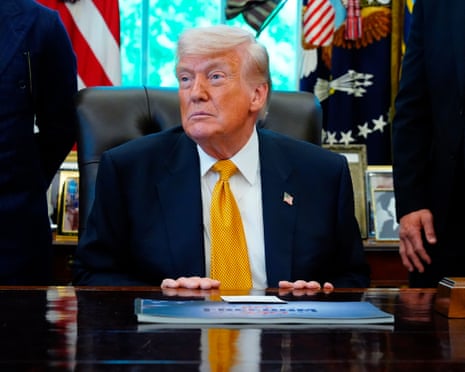
The engagement of the Iranian-flagged vessel represented a continuation of the Trump administration's aggressive implementation of its economic and military pressure campaign against Iran. The blockade itself had become a central component of American strategy, designed to restrict Iran's ability to export crude oil and generate revenue for its government and military apparatus. By preventing vessels from reaching Iranian ports, the administration aimed to compound the economic isolation already created by comprehensive sanctions regimes, forcing Tehran to choose between capitulation and economic collapse.
This latest incident in the Iran-US conflict occurred within a broader context of deteriorating relations between Washington and Tehran, with multiple flashpoints emerging across the Middle Eastern region. The military action demonstrated that the Trump administration possessed both the capability and the determination to enforce its policies through direct military intervention, a message clearly directed not only at Iranian decision-makers but also at regional allies and adversaries observing American resolve. The firing on the tanker served as a concrete manifestation of Trump's rhetorical threats, providing evidence that his ultimatums represented genuine military policy rather than mere posturing.
The diplomatic component of the administration's approach centered on pressuring Iran to accept terms that would fundamentally reshape its geopolitical position and capabilities. By combining military coercion with demands for a negotiated settlement, Trump attempted to create conditions where Iranian leadership would find compliance more attractive than continued resistance. The threat of "much higher level and intensity" bombing campaigns suggested that American military operations could expand significantly beyond current levels, potentially involving more extensive targeting of Iranian military and economic infrastructure.
Key observers of the situation recognized that the military confrontation and diplomatic ultimatum represented a critical juncture in the broader conflict. The combination of direct military action against Iranian assets and explicit threats of expanded operations created a high-pressure environment designed to force rapid decision-making from Tehran. Military analysts noted that the precise nature of the attack on the tanker demonstrated the technical sophistication available to American forces and their ability to project power effectively in contested maritime environments.
The blockade enforcement operation highlighted the challenge faced by Iran in maintaining its economic lifeline through oil exports during periods of international isolation. When American forces prevent Iranian vessels from reaching ports, the country loses critical revenue sources that fund both civilian needs and military capabilities. This economic pressure strategy formed a central pillar of the administration's overall approach to forcing Iranian compliance with American demands, complementing the military coercion demonstrated through the tanker engagement.
Throughout this period, the Trump administration maintained that its aggressive posture remained necessary to protect American interests and those of regional allies who viewed Iran as a significant strategic threat. Officials argued that the military actions and economic pressure represented proportionate responses to Iranian regional activities and domestic political consolidation of power. The blockade and military engagement thus served dual purposes: immediately tactical objectives related to preventing Iranian resource exports, and broader strategic goals related to reshaping regional power balances in ways favorable to American interests.
The incident also reflected broader debates within American foreign policy circles regarding the appropriate balance between military coercion and diplomatic negotiation. Supporters of the administration's hardline approach argued that strong military action combined with clear ultimatums represented the most effective mechanism for compelling Iranian compliance. Critics, however, questioned whether such aggressive tactics might escalate tensions further and reduce opportunities for peaceful resolution of disputes, potentially creating conditions for wider regional conflict that could prove catastrophic for all involved parties.
As developments in the Middle East tensions continued to unfold, the Trump administration's handling of Iran remained a central focus of international attention and domestic political debate. The combination of direct military engagement, economic sanctions, and explicit threats created a complex situation with potentially significant consequences for regional stability and international relations more broadly. The coming days and weeks would prove crucial in determining whether the administration's coercive approach would succeed in compelling Iranian concessions or whether continued resistance would lead to further escalation and expanded military operations.


