
Trump Officials Weaponize 1994 Law to Crack Down on Protesters in Churches

Critics argue the Trump administration is overstepping its authority by using a 1994 law to prosecute protesters and journalists in religious spaces.
The Trump administration has taken a controversial approach to dealing with protesters who disrupt church services, utilizing a 1994 law in what critics describe as an overreach of federal authority. Earlier this year, when dozens of demonstrators interrupted a church service in St. Paul, Minnesota, to demand the resignation of a local Immigration and Customs Enforcement (ICE) field office leader, the incident reignited a fierce debate around the appropriateness of using places of worship as arenas for dissent.
The protesters, who chanted slogans like "ICE out" and "Hands up, don't shoot," were condemned by religious and political leaders, with the church stating that the demonstrators had "frightened children and created a scene marked by intimidation and threat." However, the Trump administration's response has drawn significant criticism, with claims that it is using a rarely-invoked 1994 law to prosecute both protesters and journalists in an effort to crack down on dissent in sacred spaces.
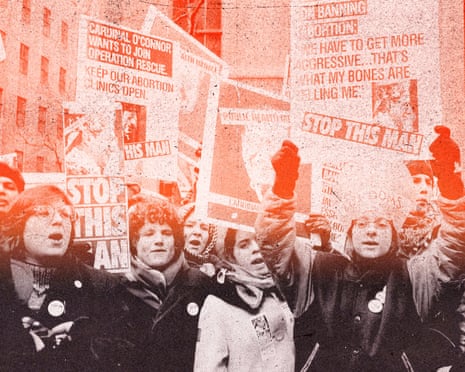
The 1994 law, known as the Church Arson Prevention Act, was originally intended to address a wave of racially motivated church burnings in the 1990s. But the Trump administration has repurposed it to target protesters, arguing that disrupting a religious service constitutes a form of "destruction of religious property." This interpretation has allowed federal prosecutors to bring charges against individuals involved in protests, even if no physical damage was done to the church itself.
Critics contend that the administration is overstepping its authority and using the law in a manner that was never intended. "This is the nuclear option," said one legal expert, noting that the aggressive application of the 1994 act represents a concerning trend of the government "weaponizing" legislation to crack down on free speech and dissent.
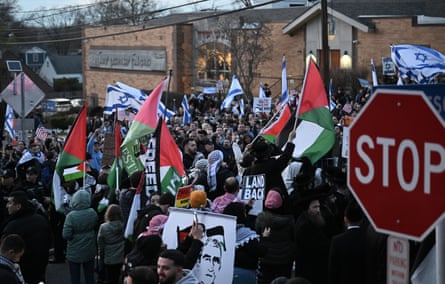
The controversy has also raised concerns about the impact on journalists, who have been swept up in the administration's efforts to prosecute those involved in church protests. Several reporters have faced charges for simply covering the demonstrations, leading to accusations that the government is attempting to stifle press freedom and the public's right to information.
As the debate continues, the Trump administration's use of the 1994 law to target protesters and journalists in religious spaces has become a flashpoint in the ongoing struggle over the boundaries of civil disobedience and the government's role in protecting both the sanctity of places of worship and the fundamental liberties enshrined in the First Amendment.
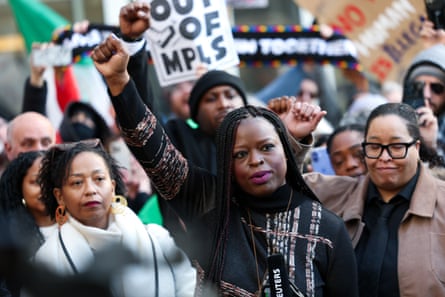
Legal experts and civil liberties advocates warn that the administration's actions set a dangerous precedent, potentially eroding the public's ability to peacefully assemble and express dissent, even in the most sacred of settings. The outcome of this contentious issue could have far-reaching implications for the future of protest and free speech in America.
Source: The Guardian


