
Trump Orders 5,000 US Troops Pulled From Germany

Pentagon announces withdrawal of 5,000 troops from Germany over 6-12 months as Trump escalates NATO tensions. Key US political developments.
In a significant escalation of tensions with NATO allies, President Donald Trump is making good on his long-standing threats to reduce the US military presence in Europe. The Pentagon formally announced on Friday that approximately 5,000 American troops will be withdrawn from Germany over the coming six to 12 months, marking a dramatic shift in US defense strategy and transatlantic relations.
The withdrawal decision represents one of the most concrete actions Trump has taken regarding his frequently voiced criticism of what he perceives as insufficient defense spending by European NATO members. The move signals that the president intends to follow through on campaign rhetoric about rebalancing America's military commitments abroad and shifting resources toward what he considers more strategically important theaters of operation.
Military officials at the Pentagon confirmed the troop redeployment during a Friday briefing, noting that the withdrawal would be executed in a phased manner over the specified timeframe. This allows for an orderly transition while maintaining operational readiness and providing Germany time to adjust to the reduction in US troop deployment on its soil. The strategic implications of this decision extend far beyond Germany itself, potentially reshaping the entire security architecture of Europe.
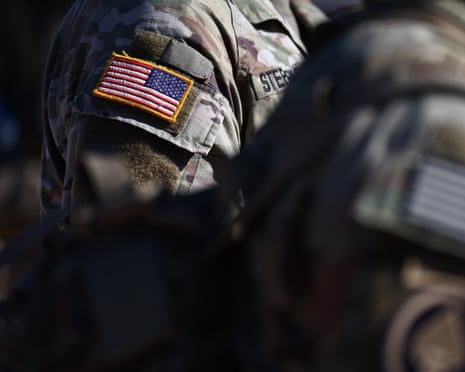
Trump's relationship with NATO members has been contentious throughout his political career, characterized by frequent complaints about what he views as unfair burden-sharing arrangements. He has consistently argued that American taxpayers bear a disproportionate share of the costs associated with maintaining NATO's collective defense posture, while European allies fail to meet their financial obligations. This latest withdrawal announcement appears designed to pressure European nations into increasing their defense expenditures.
Germany, as the host country to the largest concentration of US military personnel in Europe, stands to experience the most immediate impact from this withdrawal. The American military presence in Germany has been a cornerstone of European security architecture for decades, dating back to the post-World War II era and evolving through the Cold War and beyond. The reduction of 5,000 troops represents a substantial decrease in the footprint that has long underwritten regional stability.
The Pentagon's statement regarding the withdrawal timeline offers some flexibility in implementation, suggesting that the final phases could extend toward the 12-month mark depending on logistical and strategic considerations. This phased approach reflects concerns among military planners about maintaining adequate deterrence capabilities while executing what amounts to a significant redeployment of forces across the Atlantic. Officials indicated that the withdrawal would not compromise America's ability to meet its NATO commitments or respond to potential threats in the region.
The announcement comes amid broader Trump administration foreign policy initiatives aimed at what officials characterize as a more transactional approach to international alliances. The president has repeatedly stated that nations receiving American military protection should pay more substantially for that protection, essentially arguing that defense partnerships should operate on a cost-sharing basis more comparable to commercial relationships than traditional alliance structures.
European leaders and NATO officials have expressed concern about the implications of such withdrawals for regional security and stability. The European Union and NATO member states have invested considerable effort in developing closer defense cooperation in recent years, partly in response to Trump's earlier criticism of NATO spending levels. Many observers view the troop withdrawal as a test of the administration's commitment to the alliance and a potential precursor to further reductions if European nations do not accelerate their defense spending increases.
The withdrawal of American forces from Germany may also affect broader military operations and strategic positioning across Europe. US military installations in Germany serve not only as a deterrent to potential Russian aggression but also as critical logistics hubs supporting American operations across the continent and extending into Africa and the Middle East. The reduction in personnel at these facilities could necessitate adjustments to command structures and operational procedures that support a wide range of American military activities beyond the immediate European theater.
Congressional Republicans have largely supported Trump's tough approach toward NATO, viewing it as appropriate pressure to encourage European allies to meet their defense spending targets outlined in alliance guidelines. However, some defense analysts and foreign policy experts have raised concerns about the potential destabilizing effects of rapid troop reductions and whether such moves might actually encourage allies to pursue more independent military capabilities rather than strengthen the collective alliance structure.
The timing of this announcement reflects Trump's broader geopolitical strategy and his assessment of where American military resources can be most effectively deployed. Administration officials have indicated that forces withdrawn from Germany may be repositioned to other theaters where they consider American interests more directly threatened or where allies are perceived as carrying a fairer share of defense burdens. This reallocation strategy underscores the administration's emphasis on what officials describe as a more efficient and focused use of military resources.
Economic implications of the withdrawal extend beyond military considerations, as the presence of American troops in Germany generates substantial economic activity through military spending, base operations, and related commercial activity. German communities hosting these military installations, along with American defense contractors operating in the region, will likely experience economic effects as the troop presence diminishes. The German government and affected communities have begun assessing the economic consequences and exploring mitigation strategies.
As the US-NATO relationship continues to evolve under Trump's leadership, this withdrawal decision will likely serve as a key indicator of the administration's long-term strategic intentions regarding America's role in European security affairs. The coming months will reveal whether this represents a negotiating tactic designed to pressure allies into compliance, or whether it reflects a more fundamental reorientation of American defense priorities away from Europe. The response from allied nations and the pace at which European countries increase defense spending will substantially influence the trajectory of future US military commitments to the continent.
Source: The Guardian


