
Trump Pledges US Navy Support for Hormuz Strait Shipping

President Trump announces US naval guidance for ships trapped in Gulf amid Iran tensions. Explore escalating rhetoric and diplomatic efforts in the region.
In a significant development regarding ongoing tensions in the Persian Gulf, President Donald Trump announced this morning that the US Navy will take an active role in guiding commercial vessels through the strategically vital Strait of Hormuz. The statement comes amid a complex web of diplomatic communications and military posturing between Washington and Tehran, reflecting the delicate balance of power in one of the world's most critical shipping corridors.
Trump's declaration follows weeks of escalating rhetoric between the United States and Iran, with the President previously expressing frustration that Iran had not "paid a big enough price" for its actions in the region. The announcement signals a potential shift in US policy toward direct military intervention in supporting commercial shipping, a move that could dramatically alter the dynamics of the current standoff. The President also indicated that his representatives were engaged in "very positive" discussions with Iranian officials, suggesting simultaneous diplomatic channels remain open despite public tensions.
The Strait of Hormuz represents one of the world's most strategically important waterways, with approximately one-third of all globally traded oil passing through its narrow passages. Any disruption to shipping in this region has immediate ramifications for global energy prices and international commerce. Trump's commitment to securing this passage reflects the administration's determination to maintain global economic stability while asserting American military supremacy in critical international waters.
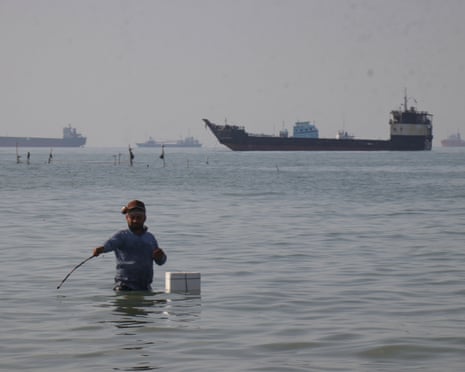
The Iranian response to Trump's announcement has been characteristically firm and uncompromising. Military officials from the Islamic Republic have issued stern warnings that any US military forces entering the strait would face immediate and decisive action. The head of Iran's unified military command made clear that American and foreign armed forces attempting to operate in the area would be attacked without hesitation. These pronouncements represent more than mere rhetorical posturing; they reflect the Iranian establishment's genuine concern about American military presence in what it considers its territorial sphere of influence.
Beyond military threats, Iranian authorities have also issued directives to commercial entities operating in the region. Oil tankers and merchant vessels have been instructed to refrain from any movement through the strait without prior coordination with Iran's military command structure. This effectively gives Tehran significant control over commercial shipping patterns and demonstrates their willingness to weaponize access to the waterway as a negotiating tool. The restriction places foreign shipping companies in an extraordinarily difficult position, caught between US assurances of protection and Iranian threats of military action.
The situation represents a dangerous escalation in Iran-US tensions that have simmered since the Trump administration's withdrawal from the Joint Comprehensive Plan of Action (JCPOA) nuclear agreement. The President's hardline stance toward Iran, combined with economic sanctions and military posturing, has created an environment where miscalculation could easily spiral into open conflict. Each statement and counter-statement from both sides raises the stakes, making diplomatic resolution increasingly challenging even as both parties claim to be engaged in productive negotiations.
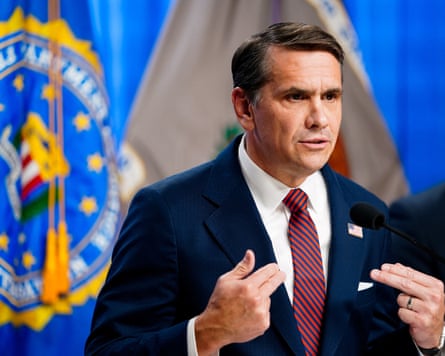
The announcement regarding US Navy escort operations for commercial vessels introduces a new dimension to the conflict. If implemented, such operations would represent direct American military engagement in support of shipping traffic, effectively putting US Navy personnel in potential confrontation scenarios with Iranian forces. This escalation could transform the current standoff from a war of words and economic pressure into direct military confrontation, with unpredictable consequences for regional stability and global energy markets.
Diplomatic observers have noted the contradictory nature of Trump's approach, combining aggressive military posturing with claims of constructive dialogue with Iranian representatives. This mixed messaging creates uncertainty about the administration's true intentions and ultimate objectives in the region. Some analysts suggest this reflects a deliberate strategy of maintaining pressure while leaving diplomatic pathways open, while others view it as a sign of internal policy disagreements within the administration regarding the optimal approach to Iranian relations.
The broader context of these developments includes ongoing Middle East geopolitics involving multiple regional powers with competing interests. Saudi Arabia and other Gulf allies have consistently supported American military presence and have expressed deep concern about Iranian regional ambitions. These allies view Trump's commitment to securing the Strait of Hormuz as a reassuring signal of American dedication to regional security. Conversely, Iran and its allies view the same commitment as an aggressive assertion of Western hegemony in their backyard.

Economic implications of the Strait of Hormuz crisis extend far beyond the immediate region. Global oil markets have already begun reflecting uncertainty about shipping security, with increased volatility and higher prices reflecting investor concerns about potential supply disruptions. Any major incident involving American and Iranian military forces could trigger dramatic price spikes with cascading effects throughout the global economy. Insurance costs for vessels transiting the strait have already risen significantly, effectively adding a "risk premium" to the cost of global energy and commercial goods.
The situation also raises important questions about international law and the rights of nations to control shipping in international waters. While Iran claims legitimate security concerns about hostile military activity near its shores, international maritime law generally supports freedom of navigation through straits used for international commerce. This fundamental legal disagreement adds another layer of complexity to the dispute, with both sides able to cite legitimate principles supporting their positions.
Looking forward, the trajectory of these tensions remains highly uncertain. Trump's announcement of US Navy escort operations represents a significant commitment that could either deter Iranian aggression or provoke an escalatory response. Meanwhile, the ongoing diplomatic discussions his representatives claim to be having with Iranian officials suggest that negotiated settlement remains theoretically possible. The coming weeks will be critical in determining whether these parallel tracks toward confrontation and negotiation eventually converge toward either conflict or resolution.

The international community watches these developments with considerable anxiety, recognizing that any major military confrontation in the Strait of Hormuz would have global ramifications extending far beyond immediate military and political considerations. Europe, Asia, and other regions dependent on Gulf oil supplies face genuine exposure to potential supply disruptions and price shocks. This global dimension of the crisis means that resolution, if it comes, will likely require accommodating concerns and interests beyond merely those of the United States and Iran, adding diplomatic complexity to an already intricate situation.
Source: The Guardian


