
Trump's Bold Move: US to Blockade Strait of Hormuz After Iran Peace Talks Fail

After failed negotiations, Trump announces US plan to blockade the Strait of Hormuz, a vital global trade route, in a bid to wrest control from Iran. This move could further increase oil prices.
In a dramatic escalation of tensions, Donald Trump has announced that the United States will begin blockading the Strait of Hormuz in an attempt to wrest control of the vital waterway from Iran. This move comes after peace negotiations between the two countries have failed.
When will the blockade start? According to US Central Command (Centcom), the blockade will commence on Monday at 10am ET. Experts have warned that this action could further increase oil prices, already strained by global supply chain disruptions.
Which vessels will the blockade affect? Centcom has stated that the blockade will be confined to ships transiting through Iranian ports, while allowing passage of ships headed to ports belonging to the US's Gulf allies.
{{IMAGE_PLACEHOLDER}}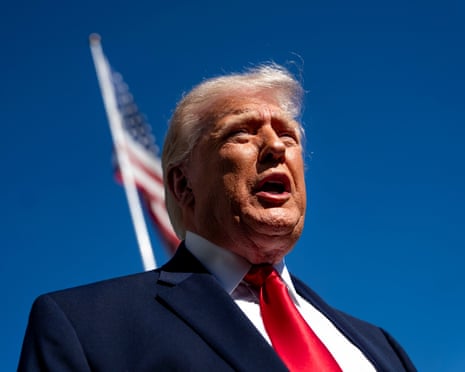
The strategy behind this move appears to be that the US hopes to eliminate Tehran's greatest point of leverage – its chokehold on the Strait of Hormuz. Tehran has indicated that it would like to maintain control of the strait after the war has ended, and to charge fees to passing ships.
How could a blockade help the US reopen the strait? By stopping Iranian oil exports, the US aims to weaken Iran's position and force it to relinquish control of the strategic waterway. This could potentially allow the US and its allies to regain unfettered access to the Strait of Hormuz, a critical global trade route.
{{IMAGE_PLACEHOLDER}}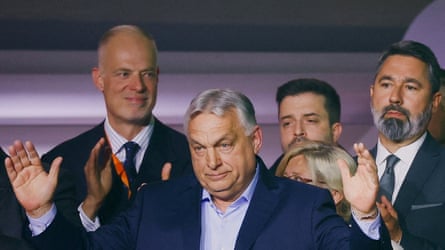
The move comes as a blow to the global far-right, with Viktor Orbán being ousted in the Hungarian election. This development is seen as a setback for authoritarian leaders who have sought to emulate Orbán's brand of nationalist, populist politics.
As tensions continue to escalate in the region, the world watches anxiously to see how Iran will respond to the US blockade and whether this action will lead to further conflict or de-escalation in the ongoing geopolitical standoff.
Source: The Guardian


