
Trump's Economic Legacy: Voters' Final Judgment

As Trump's presidency winds down, economic performance becomes the defining factor in how voters will judge his administration's overall success and impact.
With Donald Trump's time in the Oval Office drawing to a close, the economic landscape has emerged as perhaps the single most consequential factor in determining how Americans will ultimately evaluate his presidency. The economy under Trump has become the measuring stick by which voters will assess the success or failure of his administration's policies, achievements, and legacy. From inflation rates to employment figures, the financial wellbeing of ordinary Americans will shape the narrative that defines this chapter of American political history.
The relationship between presidential performance and economic conditions has long been established in political science and electoral analysis. When voters enter polling booths, they frequently base their decisions on whether their personal financial situations have improved or deteriorated during an administration's tenure. This phenomenon, often referred to as "pocketbook voting," suggests that Trump's final approval ratings and historical assessment will be substantially influenced by current cost of living metrics and economic indicators that directly impact household budgets across the nation.
Throughout his administration, Trump has consistently emphasized economic growth as a cornerstone of his political platform. His policies, including tax cuts and deregulation initiatives, were designed to stimulate business investment and job creation. However, the actual economic outcomes have been complex and multifaceted, with various sectors experiencing different levels of growth while inflationary pressures have created significant challenges for middle-class and working-class families struggling with everyday expenses.
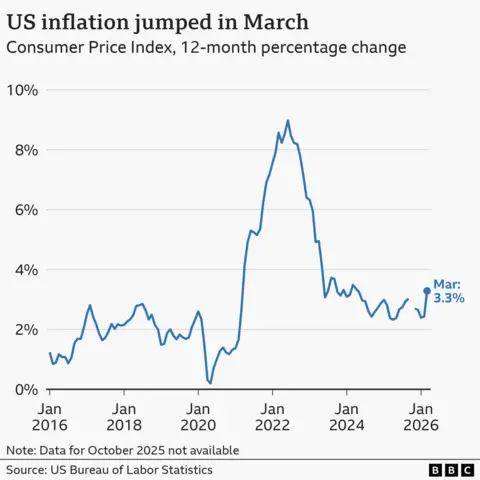
The inflation crisis represents perhaps the most visible economic challenge facing the administration in its final months. Prices across essential categories—including groceries, gasoline, housing, and healthcare—have risen substantially, creating genuine hardship for millions of American households. These increases have proven particularly difficult for lower and middle-income families who spend larger portions of their earnings on necessities, leaving less discretionary income for other purchases and savings.
Employment figures present a more complicated picture for the Trump administration's economic narrative. The job market has remained relatively robust by historical standards, with unemployment rates hovering at levels that would have been considered successful by most economic measures. However, wage growth has not consistently kept pace with inflation, meaning that despite having jobs, many workers have experienced real decreases in purchasing power—a reality that significantly impacts voter sentiment regardless of headline employment numbers.
The Federal Reserve's aggressive interest rate increases, implemented to combat inflation, have created additional economic headwinds that complicate Trump's economic messaging. These higher rates have made borrowing more expensive for businesses and consumers alike, affecting everything from mortgage payments to credit card debt service. While rate increases are intended to eventually stabilize prices, their immediate effects have included higher monthly payments for families and reduced investment in some sectors of the economy.
Real estate and housing markets have experienced significant turbulence, with soaring mortgage rates making homeownership increasingly unattainable for first-time buyers and younger Americans. This sector's struggles represent not merely economic statistics but rather the diminished American Dream for an entire generation facing unprecedented housing affordability challenges. The impact on voter sentiment cannot be overstated, as housing security remains one of the most fundamental concerns for American families and a critical factor in election-time economic assessment.
Stock market performance has presented another dimension of economic evaluation, though its relevance varies significantly across demographic groups. While wealthy investors and those with substantial retirement portfolios have benefited from periods of market strength, the majority of Americans—who hold limited stock investments—may feel disconnected from these gains. The wealth gap continues to be a central concern for many voters evaluating economic policy outcomes and their personal financial trajectories.
Consumer confidence, as measured by various indices, has fluctuated considerably throughout the period in question, reflecting Americans' genuine anxiety about economic conditions and their future prospects. These sentiment measures often prove as important as actual economic statistics in determining voter behavior, as perceptions of economic security powerfully influence political preferences. When consumers feel pessimistic about economic futures, they tend to punish incumbent administrations regardless of certain positive economic metrics.
Small business conditions have also shaped the economic narrative in important ways. While some small enterprises have thrived, others have struggled with rising input costs, labor challenges, and changed consumer spending patterns. Many entrepreneurs report that deregulation efforts have provided certain advantages, yet these benefits have sometimes been offset by inflationary pressures on operating expenses and difficulty accessing affordable credit for expansion or operational needs.
The agricultural sector, historically important to Trump's political base, has experienced its own economic challenges and triumphs. Trade policy initiatives, while intended to benefit American farmers, have sometimes created market uncertainties and retaliatory tariffs that complicated agricultural economics. Farm bankruptcies and debt levels require careful consideration when evaluating the comprehensive economic impact of the administration's policies on this crucial demographic segment.
Wage stagnation relative to inflation remains a persistent concern that will heavily influence how working-class voters assess the Trump administration's economic stewardship. Despite job availability, many workers report that their paychecks have not grown sufficiently to maintain their previous standard of living. This disconnect between employment levels and actual purchasing power represents a critical vulnerability in any attempt to claim economic success, as voters evaluate their personal experiences rather than aggregate statistics.
Energy costs, which fluctuate based on global markets and domestic policy, have substantially impacted household budgets and manufacturing expenses. While the administration has promoted domestic energy production and deregulation, global factors and geopolitical events have sometimes overwhelmed these policy effects, resulting in higher gas and heating costs that directly affect voter sentiment and kitchen-table conversations across America.
The ultimate judgment voters render on Trump's economic record will integrate all these various dimensions into a holistic assessment. Individual voters will weigh employment rates against inflation, stock market gains against housing affordability, and small business conditions against wage adequacy. This complex evaluation process means that the final economic verdict will vary significantly depending on demographic factors, geographic location, and personal financial circumstances.
As the Trump presidency approaches its conclusion, the economic narrative remains contested and subject to interpretation. What appears as success to some constituencies—tax reductions, deregulation, and pro-business policies—simultaneously represents inadequate protection of worker interests and purchasing power to others. This fundamental divide in how to evaluate economic performance ensures that voters will render starkly different verdicts based on their ideological frameworks and personal financial outcomes.
The final assessment of Trump's economic legacy will ultimately rest in the hands of voters who will synthesize their personal financial experiences with broader economic indicators to form judgments about whether his tenure advanced or hindered their economic wellbeing and prospects. These deeply personal evaluations, multiplied across millions of American households, will determine how history records this chapter of American economic and political life, making the economy the decisive arena where Trump's presidency will be judged.
Source: BBC News


