
Trump's FCC Targets TV, Ignores Conservative Talk Radio

FCC Chairman Brendan Carr threatens equal-time enforcement on TV talk shows, but not conservative-leaning radio. Critics argue the crackdown is unequal and politically motivated.
Trump's Federal Communications Commission (FCC) has been targeting TV broadcasters with a series of attacks, with Chairman Brendan Carr threatening to enforce the equal-time rule on daytime and late-night talk shows. The interview portions of talk shows have historically been exempt from equal-time regulations, but Carr has been interpreting FCC rules in novel ways to target networks disfavored by President Trump.
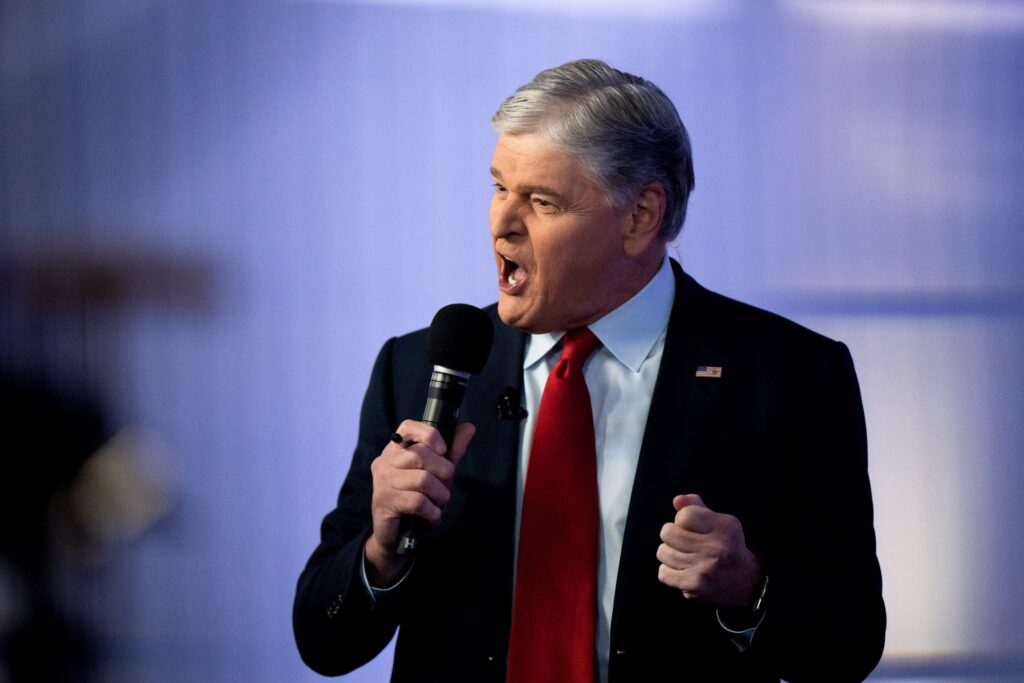
Critics point out that Carr's threats of equal-time enforcement apply unequally, as he has not directed them at talk radio, which is predominantly conservative. Given the similarities between interviews on TV and radio shows, critics have asked Carr to explain why he issued an equal-time enforcement warning to TV but not radio broadcasters.
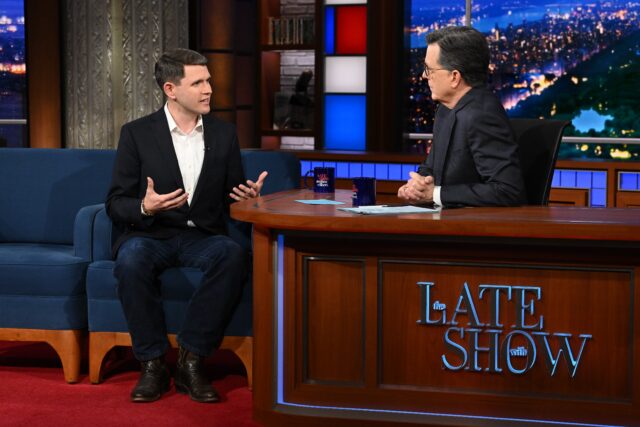
Carr's responses to the talk radio questions have been vague, even as he tangled with Late Show host Stephen Colbert and launched an investigation into ABC's The View over its interview with Texas Democratic Senate candidate James Talarico. In a press conference, Carr refused to directly address the unequal treatment of TV and radio.
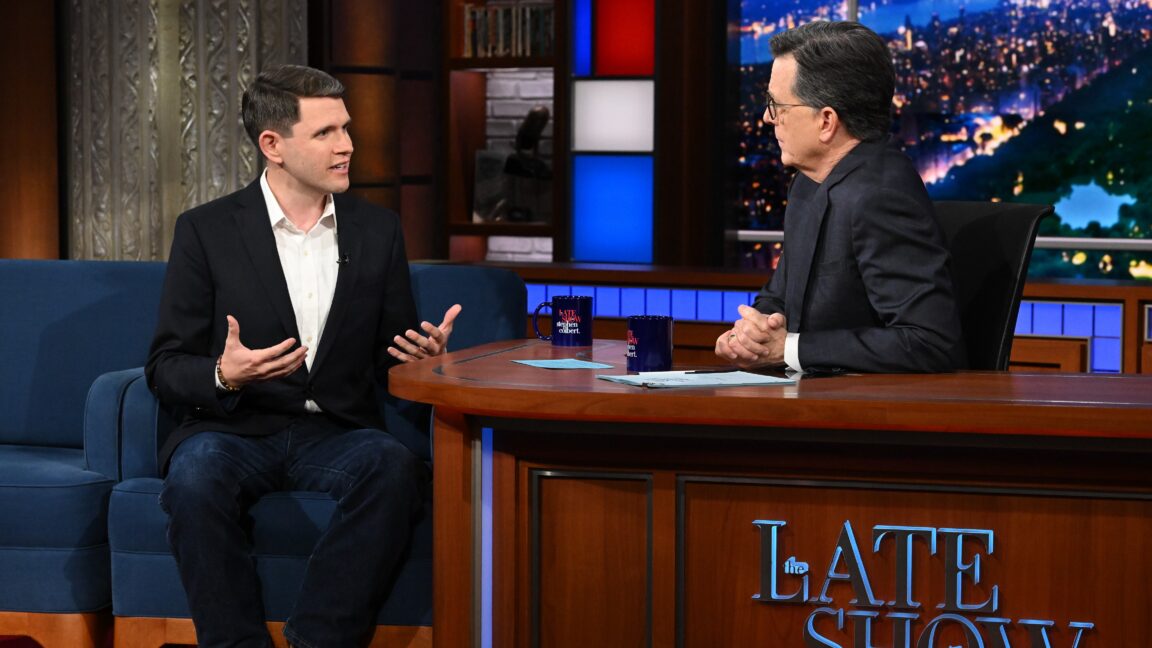
The FCC's crackdown on TV talk shows, while ignoring conservative talk radio, has fueled accusations that the agency's actions are politically motivated and designed to benefit Republican interests. Critics argue that the equal-time rule should be applied consistently across all media platforms, rather than selectively targeting certain networks or hosts.
The Trump administration's FCC has a history of taking actions that appear to favor conservative media outlets and Republican interests, such as attempting to get more Republicans on late-night and daytime TV talk shows. This latest move against TV broadcasters, while ignoring conservative talk radio, has only further fueled concerns about the agency's political agenda and its commitment to upholding media regulations fairly and impartially.
As the FCC continues to wield its regulatory power in ways that appear to target certain media outlets, the debate over the agency's impartiality and the future of media regulations in the United States is likely to intensify.
Source: Ars Technica


