
Trump's Iran Crisis Exposes Foreign Policy Contradictions

President Trump's conflicting approaches to Iran reveal the complex tensions between diplomatic peace initiatives and military deterrence strategies.
The escalating tensions between the United States and Iran have brought President Donald Trump's foreign policy contradictions into sharp focus, revealing a complex web of competing strategic impulses that define his administration's approach to international relations. The president's simultaneous calls for peaceful resolution and demonstrated willingness to deploy overwhelming military force create a diplomatic paradox that has left allies, adversaries, and domestic observers struggling to predict America's next move in the volatile Middle East landscape.
This duality in Trump's foreign policy framework becomes particularly evident when examining his administration's handling of Iranian provocations and regional tensions. On one hand, the president frequently emphasizes his desire to avoid costly foreign entanglements and bring American troops home from overseas conflicts. On the other hand, his administration has consistently demonstrated a readiness to use military deterrence as a primary tool of statecraft, creating an inherent tension that shapes every major international crisis.
The Iranian situation perfectly encapsulates this strategic contradiction, as Trump navigates between his campaign promises to reduce America's military footprint abroad and his administration's doctrine of maximum pressure against Tehran. This approach has resulted in a foreign policy stance that oscillates between aggressive posturing and calls for negotiation, often within the same public statements or policy announcements.
Foreign policy experts have noted that this apparent inconsistency may actually represent a calculated strategy designed to keep adversaries off balance while maintaining flexibility in rapidly evolving international situations. The unpredictability factor, according to some analysts, serves as a diplomatic tool in itself, forcing other nations to constantly reassess their strategic calculations when dealing with the United States.
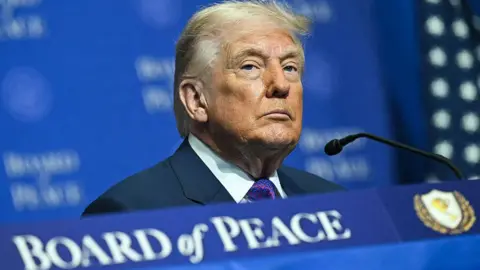
The Iran tensions have revealed how Trump's transactional approach to international relations creates both opportunities and risks for American foreign policy objectives. His willingness to engage in direct dialogue with adversaries, combined with threats of unprecedented military action, represents a departure from traditional diplomatic protocols that have guided American foreign policy for decades.
This unconventional approach has manifested in various ways throughout Trump's presidency, from his engagement with North Korean leader Kim Jong Un to his administration's handling of trade disputes with China. The Iranian crisis, however, presents perhaps the most serious test of whether this dual-track approach can effectively manage a potentially explosive international situation without triggering unintended consequences.
The president's public statements regarding Iran often reflect this internal tension, with Trump simultaneously praising Iranian culture and people while condemning the country's leadership and threatening severe economic and military consequences for any aggressive actions. This rhetorical balancing act attempts to maintain diplomatic flexibility while projecting strength to both domestic and international audiences.
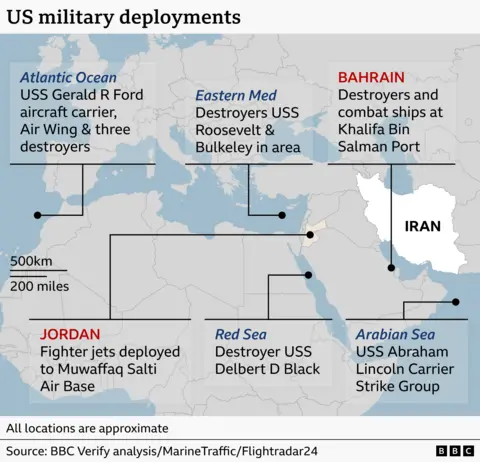
Military commanders and diplomatic officials within the Trump administration have had to navigate these competing impulses, developing strategies that can accommodate both the president's desire for peaceful resolution and his commitment to maintaining American military superiority. This has resulted in a foreign policy approach that relies heavily on economic sanctions, military positioning, and public messaging to achieve strategic objectives without necessarily committing to specific courses of action.
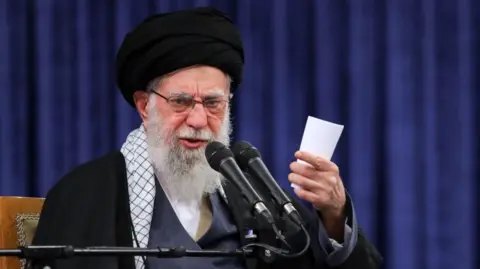
The implications of this approach extend beyond the immediate Iranian situation, influencing how other nations perceive American reliability and predictability as a strategic partner. Allied nations have expressed concerns about the sustainability of a foreign policy framework that appears to shift between confrontational and conciliatory positions based on rapidly changing circumstances and political calculations.
Congressional leaders from both parties have struggled to understand and respond to Trump's diplomatic strategy, with some praising the president's willingness to challenge conventional foreign policy wisdom while others express concern about the potential for miscalculation in high-stakes international situations. This domestic political dimension adds another layer of complexity to an already challenging strategic environment.
The Iranian government's response to Trump's mixed signals has been equally complex, with Tehran attempting to calibrate its own actions to avoid triggering overwhelming American military response while maintaining its regional influence and domestic political standing. This dynamic creates a dangerous environment where miscommunication or misinterpretation could rapidly escalate into military conflict.
Intelligence officials have noted that the unpredictable nature of Trump's foreign policy approach complicates their ability to provide accurate assessments of likely outcomes in various scenarios. The traditional models for predicting diplomatic and military responses become less reliable when dealing with an administration that explicitly rejects conventional foreign policy frameworks and established international protocols.
The Trump administration has defended its approach by pointing to specific achievements in various international negotiations and conflicts, arguing that unpredictability serves American interests by forcing adversaries to take American threats seriously while leaving room for face-saving compromises. Critics counter that this approach undermines long-term strategic planning and alliance building that form the foundation of effective international relations.
Regional allies in the Middle East have found themselves caught between supporting American leadership in containing Iranian influence and uncertainty about the reliability of American commitments in various scenarios. This situation has prompted some nations to develop independent diplomatic channels with Iran while maintaining their security partnerships with the United States.
The economic dimensions of the Iranian crisis further illustrate the complexity of Trump's foreign policy approach, with economic sanctions serving as both a tool for avoiding military conflict and a means of increasing pressure that could potentially lead to such conflict. The administration's maximum pressure campaign against Iran represents an attempt to achieve strategic objectives through economic means while maintaining the credible threat of military action.
Market reactions to escalating Iran tensions have reflected this uncertainty, with investors struggling to assess the likelihood of military conflict versus diplomatic resolution based on the mixed signals emanating from the Trump administration. Oil prices, defense stocks, and regional market indices have experienced significant volatility as traders attempt to interpret the president's intentions and likely courses of action.
The long-term implications of Trump's approach to the Iranian situation will likely influence American foreign policy for years to come, regardless of future electoral outcomes. The precedents being established in terms of diplomatic communication, military positioning, and alliance management will shape how future administrations approach similar international crises and strategic challenges.
As the situation continues to evolve, the fundamental tension between Trump's peaceful rhetoric and military preparations remains unresolved, creating ongoing uncertainty about American intentions and strategic objectives in the Middle East. This ambiguity, whether intentional or circumstantial, has become a defining characteristic of contemporary American foreign policy under the Trump administration, with profound implications for global stability and international relations moving forward.
Source: BBC News


