
Trump's Project Freedom: Strait of Hormuz Naval Operation Explained

Discover details about Trump's Project Freedom naval operation in the Strait of Hormuz. Learn about military assets deployed and potential implications for regional tensions.
The Strait of Hormuz has once again become a focal point of international maritime concerns as the United States announces a significant military initiative aimed at ensuring safe passage for commercial vessels. The operation, formally known as Project Freedom, represents a comprehensive approach to addressing threats facing international shipping routes in one of the world's most strategically important waterways. Understanding the scope and objectives of this mission requires examining both the military components involved and the broader geopolitical implications for regional stability.
According to announcements from US Central Command (Centcom), the operation will deploy substantial military resources to maintain freedom of navigation through the corridor. The initiative includes the deployment of guided-missile destroyers, a naval force designed for both offensive and defensive operations in contested waters. Additionally, the operation leverages advanced air power, with over 100 land and sea-based aircraft positioned to provide comprehensive coverage of the strategic waterway and surrounding regions. This multi-layered approach demonstrates the significance placed on maintaining unimpeded maritime commerce.
The technological dimension of Project Freedom extends beyond traditional naval vessels and manned aircraft. The operation incorporates multi-domain unmanned platforms, representing the modern evolution of military capabilities. These unmanned systems provide enhanced surveillance, reconnaissance, and rapid response capabilities while minimizing risk to personnel. The integration of unmanned technology alongside conventional forces illustrates the sophisticated nature of contemporary maritime security operations, combining proven military assets with cutting-edge technological innovations.
Personnel deployment constitutes another critical element of the initiative. Centcom has allocated approximately 15,000 service members to support the operation's various components. This substantial human commitment reflects the complexity of coordinating such a large-scale military presence across vast maritime expanses. These personnel span multiple military branches and specializations, including naval officers, aviation crews, technical specialists, and command staff, each playing essential roles in the operation's success and sustainability.
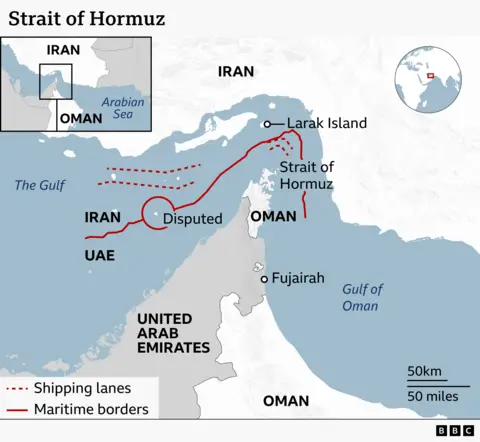
The Strait of Hormuz holds exceptional strategic importance to global energy markets and international commerce. Approximately one-fifth of the world's oil shipments transit through this narrow waterway, connecting the Persian Gulf to the Arabian Sea and ultimately to international markets. The corridor's geographical constraints, with only a narrow shipping lane separating international waters, create inherent vulnerabilities that hostile actors have historically exploited. Ensuring the safety and reliability of passages through this choke point directly impacts global economic stability and energy security.
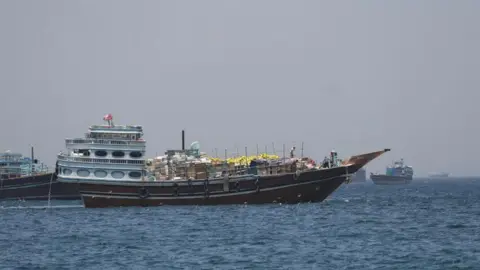
Recent incidents have prompted heightened concern among maritime nations regarding vessel safety through the Strait. Ships have experienced attacks from various sources, including suspected drone strikes and other asymmetric military tactics designed to disrupt commercial shipping. These incidents have raised insurance costs, extended shipping routes, and created uncertainty for international commerce. The accumulation of such events has motivated major maritime powers to establish stronger protective measures and international coordination mechanisms to counter the threats.
Project Freedom addresses these concerns through a multifaceted strategy combining deterrence, surveillance, and rapid response capabilities. The presence of advanced military assets is designed to deter potential hostile actions while demonstrating commitment to protecting international shipping. The comprehensive nature of the deployment—spanning air, sea, and unmanned systems—creates overlapping defensive capabilities that would respond rapidly to any threats to maritime commerce in the region.
The operation raises significant questions regarding potential escalation and regional tensions. Some analysts suggest that expanding military presence could provoke counter-responses from adversaries who perceive the deployment as threatening. Others argue that the visible deterrent effect prevents conflicts by demonstrating superior military capability and resolve. These competing perspectives reflect the complex calculus involved in managing security in strategically vital regions where multiple actors maintain conflicting interests and strategic objectives.
International response to Project Freedom varies among key stakeholders. Allied nations generally welcome the initiative as reinforcing global maritime security norms and protecting their commercial interests. However, regional actors with concerns about American military presence have expressed reservations about the operation's intent and long-term implications. Diplomatic channels remain active as various parties attempt to balance security requirements with diplomatic considerations and regional sensitivities.

The coordination required for such a large operation extends beyond purely military considerations. Logistical support, supply chains, medical facilities, and communication systems must all function seamlessly across vast distances and complex operational environments. This administrative dimension of Project Freedom requires extensive planning and sustained execution to maintain effectiveness throughout the operation's duration. The integration of these supporting systems with combat capabilities creates a comprehensive operational framework capable of sustained presence and rapid response.
Historical context provides important perspective on Strait of Hormuz security operations. Previous initiatives addressing maritime threats in the region have employed similar strategies of military presence combined with diplomatic engagement. The recurring nature of security concerns in this waterway reflects fundamental geographical and geopolitical realities that persist despite changing specific circumstances. Understanding this historical pattern helps contextualize current initiatives within broader patterns of regional security management.
Economic implications of Project Freedom extend beyond immediate shipping concerns. The operation's costs, including personnel, fuel, maintenance, and operational expenses, represent significant budget allocations. These expenditures must be evaluated within broader defense priorities and fiscal constraints. Additionally, the operation's success in stabilizing maritime commerce could produce economic benefits exceeding direct costs, particularly through reduced insurance premiums and more efficient shipping routes that benefit global commerce.
The technological integration within Project Freedom demonstrates military innovation adapting to contemporary security challenges. Unmanned systems reduce personnel risk while providing persistent surveillance capabilities. Advanced sensors provide real-time intelligence regarding maritime activity, enabling rapid identification of threats. These technological systems transform military response capabilities, allowing faster decision-making and more precise interventions compared to previous generations of military operations in similar environments.
Looking forward, Project Freedom's long-term trajectory remains uncertain. The operation may establish a sustained military presence intended to provide continuous security assurance, or it may represent a temporary response to specific threats. Understanding the operation's ultimate scope and duration requires monitoring official announcements and observing actual deployment patterns over coming months. The operation's evolution will provide important indicators regarding American strategic priorities and threat assessments in this critical region.
Ultimately, Project Freedom and maritime security initiatives represent ongoing efforts to balance commercial interests, security requirements, and diplomatic considerations in strategically vital regions. The operation's success depends not only on military capabilities but also on effective communication, coordination, and restraint among various regional and international actors. As circumstances evolve in the Strait of Hormuz, Project Freedom will likely adapt to address emerging challenges while maintaining the core objective of protecting international maritime commerce and preserving regional stability in this critical waterway.
Source: BBC News


