
Trump Threatens Major EU Car Tariff Hike to 25%

President Trump announces plan to increase tariffs on European cars to 25%, significantly raising barriers on imports from the EU.
In a significant escalation of trade tensions between the United States and Europe, President Trump has announced his intention to substantially increase tariffs on EU cars to 25 percent. This proposed increase represents a considerable jump from the current trade arrangement, marking a potential turning point in US-European economic relations that could reverberate across multiple sectors and global markets.
The announcement comes as part of broader discussions about restructuring America's trade relationships with key economic partners. Trump's tariff policy has consistently focused on protecting domestic manufacturing and reducing what the administration views as unfair trade imbalances. The proposed hike would dramatically alter the landscape for European automotive manufacturers seeking to export vehicles to the American market, potentially affecting major manufacturers and their supply chains.
Under the current trade framework, established through negotiations completed in July of the previous year, the existing tariff rate on goods imported into the United States from the European Union stands at 15 percent. This agreement had been viewed as a temporary measure aimed at de-escalating earlier trade disputes while providing American industries with protection from European competition. The current deal represented a compromise position after extended negotiations between US trade representatives and European officials.
The proposed increase to 25 percent would nearly double the tariff burden on EU automobiles entering American ports, creating substantial cost implications for both manufacturers and consumers. Such a significant tariff elevation could trigger retaliatory measures from European nations, potentially sparking another round of the trade wars that characterized previous administration policies. The automotive sector, which represents one of the largest and most economically significant industries in both regions, would face particular pressure from such policy changes.
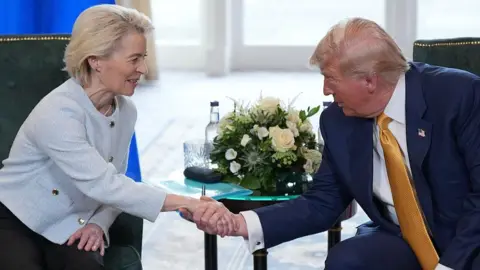
European automakers have already begun assessing the implications of these potential tariff increases on automobiles. Major manufacturers with significant US market presence, including German, Italian, and French companies, would need to adjust their pricing strategies and potentially reconsider their manufacturing and distribution approaches. The threat of higher tariffs often prompts companies to explore alternative sourcing options or consider relocating production facilities to avoid tariff barriers.
Analysts suggest that implementing 25 percent automotive tariffs could lead to increased vehicle prices for American consumers, as manufacturers would likely pass along at least a portion of tariff costs through higher retail prices. This could potentially dampen consumer demand for imported vehicles and shift purchasing patterns toward domestic manufacturers. The broader economic implications include potential job impacts across the automotive supply chain, from component manufacturing to retail and service sectors.
The EU trade negotiations have historically been complex, involving multiple stakeholder groups and competing interests. European officials have expressed concern about the unpredictability of unilateral trade actions and have indicated their readiness to defend their economic interests through appropriate counteractions. Previous instances of elevated trade tensions have resulted in Europe imposing retaliatory tariffs on American agricultural products and manufactured goods, affecting American exporters and domestic industries.
The automotive industry's reliance on complex global supply chains means that tariff disruptions can have far-reaching consequences beyond simple manufacturer-to-consumer relationships. Components are often manufactured in multiple countries, assembled in different locations, and distributed internationally before reaching final consumers. Tariff policies that disrupt these carefully calibrated supply networks can create inefficiencies and cost pressures throughout the entire production and distribution ecosystem.
Within the United States, trade policy announcements regarding tariffs often trigger immediate market reactions as investors assess implications for various sectors. American companies that rely on imported components or compete with imported vehicles monitor these developments closely. Domestic automotive manufacturers may benefit from reduced competition from European imports, but suppliers who depend on cross-border commerce could face challenges from reciprocal tariffs or reduced overall trade volumes.
The timing of this tariff announcement reflects ongoing discussions within the Trump administration about reshaping American trade relationships broadly. Officials have emphasized that current trade arrangements do not adequately protect American workers and industries. This philosophy has guided trade policy discussions with multiple partners, including China, Mexico, Canada, and various other nations with significant trade relationships with the United States.
Agricultural and manufacturing sectors in the US have experienced mixed outcomes from previous tariff policies. While some domestic industries received protection from foreign competition, others faced significant challenges from retaliatory measures and supply chain disruptions. Agricultural producers, in particular, have experienced both benefits and difficulties as European and other nations have imposed counter-tariffs on American products including grains, beef, and other agricultural commodities.
Economic experts offer varying perspectives on the potential consequences of the proposed tariff increase. Some argue that protecting domestic industries from foreign competition serves legitimate economic interests and supports American workers. Others contend that tariff-based trade policies can create economic inefficiencies, reduce consumer choice, increase prices, and trigger damaging trade wars that ultimately harm the broader economy more than they help targeted industries.
The relationship between US-EU trade relations and broader geopolitical considerations cannot be overlooked. The United States and European nations maintain deep political and security partnerships through NATO and other alliances, which can complicate trade disputes. Negotiators on both sides must balance economic interests with the maintenance of these broader strategic relationships that extend far beyond commercial considerations.
Implementation of substantially higher tariffs would likely trigger formal negotiations between American and European trade representatives. Such discussions typically involve multiple rounds of counterproposals and efforts to reach compromises that address underlying concerns while minimizing economic disruption. The success or failure of these negotiations could significantly impact not only the automotive sector but also broader US-EU relations and the functioning of the international trading system.
As discussions continue, stakeholders across the automotive industry, from manufacturers to suppliers to consumer advocacy groups, will closely monitor developments. The eventual outcome of tariff policy decisions will shape investment decisions, employment patterns, and consumer prices for years to come. Understanding the implications of these trade policy announcements remains essential for businesses, investors, and policymakers seeking to navigate an increasingly complex international economic landscape.
The broader context of these tariff discussions includes ongoing conversations about fair trade, economic competitiveness, and the appropriate role of government in managing international commerce. These fundamental questions about trade policy will likely continue to shape discussions between the United States and its trading partners for the foreseeable future, influencing everything from corporate strategy to consumer purchasing decisions across multiple industries and markets.
Source: BBC News


