
Trump Weather Data Cuts Threaten Forecast Accuracy

Experts warn that proposed cuts to NOAA climate data could undermine AI-powered weather forecasting during hurricane season and extreme heat events.
The United States faces a critical juncture as hurricane season approaches and temperatures continue to reach unprecedented levels across the nation. However, weather prediction capabilities may be compromised if proposed government budget cuts move forward, according to leading meteorologists and climate scientists who have raised serious concerns about the implications for public safety and disaster preparedness.
The National Oceanic and Atmospheric Administration (NOAA) represents a cornerstone of American weather forecasting infrastructure, providing essential data to meteorologists, emergency managers, and the general public. Late last year, NOAA launched an innovative suite of artificial intelligence-powered weather models designed to revolutionize how meteorologists predict atmospheric conditions across the globe. Agency officials emphasized that these cutting-edge systems would enhance speed, efficiency, and overall accuracy in weather predictions compared to traditional forecasting methods.
These advanced AI models are being trained using centuries of accumulated historical weather data, representing one of the most comprehensive datasets ever assembled for meteorological purposes. The investment in this technology signals a significant shift in how modern forecasting will be conducted, with machine learning algorithms capable of identifying patterns and trends that might elude traditional analytical approaches. Experts have consistently stressed that AI in weather forecasting represents a valuable tool for improving prediction capabilities, but only when the systems have access to ample, comprehensive data sources.

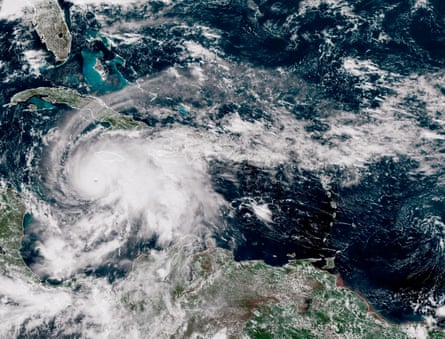
The timing of potential budget reductions to climate and weather data programming could not be more problematic, as meteorological threats loom on the horizon. Hurricane season presents particular risks, with climate change continuing to influence storm intensity and rainfall patterns. Additionally, the nation has experienced consecutive years of record-breaking temperatures, with summer months bringing dangerous heat waves that threaten public health and strain electrical infrastructure nationwide.
Climatologists and meteorological experts have expressed alarm about the prospect of reducing funding for data collection and processing systems. These systems form the backbone of modern weather prediction, gathering information from satellites, ground stations, ocean buoys, and radar installations across the country and around the world. Without adequate investment in maintaining and upgrading these data collection networks, the quality and reliability of forecasts would inevitably decline, leaving communities less prepared for severe weather events.
The relationship between climate data collection and forecast accuracy cannot be overstated. Machine learning algorithms require vast quantities of historical and real-time data to function effectively. When training datasets are reduced or collection systems are compromised, the algorithms' ability to make accurate predictions diminishes correspondingly. This creates a cascading effect where less reliable forecasts lead to poorer emergency preparedness and potentially more severe consequences when storms strike unprepared communities.
Federal budget constraints have long posed challenges for agencies responsible for environmental monitoring and climate research. The Trump administration's proposed approach to government spending has raised questions about priorities, particularly regarding investments in long-term scientific infrastructure. Critics argue that weather forecasting accuracy directly impacts national security, economic productivity, and most importantly, the safety of American citizens during natural disasters.
The integration of artificial intelligence into weather prediction represents a promising frontier for meteorological science. These systems can process enormous quantities of data simultaneously, identifying subtle correlations that might indicate developing weather patterns. However, the effectiveness of such systems depends entirely on having sufficient training data and the computational resources necessary to run the models. Starving these systems of either data or funding would effectively negate much of their potential benefit.
Beyond immediate hurricane season concerns, the broader implications of reduced investment in weather science extend to climate monitoring and long-term environmental assessment. Understanding how global climate patterns are shifting requires continuous, systematic data collection over extended periods. Gaps in this data collection create blind spots in scientific understanding and impair researchers' ability to make accurate projections about future climate conditions and extreme weather trends.

The economic implications of less reliable weather forecasting are substantial. Agriculture, transportation, energy production, and countless other industries depend on accurate weather information for planning and decision-making. When forecasts become less reliable, businesses face increased risks and uncertainty, potentially leading to higher costs and inefficiencies across the economy. Emergency management agencies require dependable forecasts to issue timely warnings and coordinate disaster response efforts effectively.
NOAA officials and the broader scientific community have advocated strongly for maintaining and expanding investment in meteorological infrastructure and data systems. They argue that the relatively modest costs associated with weather data collection and processing represent extraordinary value in terms of lives protected and economic damage prevented. Historical analysis shows that improved weather forecasting capabilities have directly contributed to reduced casualties from hurricanes and other severe weather events.
The debate over government spending on scientific institutions reflects broader questions about national priorities and long-term thinking in policy decisions. While budget constraints are a reality that all agencies must face, cutting investments in critical infrastructure like weather monitoring may represent a false economy that saves money in the short term while creating much larger costs in the long term through reduced preparedness and response capability.
As the nation enters what many meteorologists predict could be an active hurricane season and faces continued threats from extreme heat, the stakes for maintaining robust weather forecasting capabilities have never been higher. The scientific consensus is clear: adequate investment in meteorological data collection and analysis is not merely beneficial but essential for protecting public welfare. Whether policymakers will heed these warnings remains to be seen, but the potential consequences of inaction are sobering.
Source: The Guardian


