
Uganda's Dark Dog Scam: How Fraudsters Exploit Animal Lovers

BBC investigation reveals how Ugandan scammers manipulate animal lovers with fake dog rescue stories, pocketing donations meant for suffering animals.
A comprehensive investigation by the British Broadcasting Corporation has unveiled a troubling international fraud scheme centered in Uganda, where sophisticated scammers are systematically deceiving compassionate animal lovers worldwide. These Ugandan fraudsters have developed an elaborate network designed to exploit the genuine desire of people across the globe to help suffering animals, particularly dogs in distress. The scheme operates by creating fabricated narratives about canines requiring urgent medical intervention, rescue operations, and rehabilitation, all while the collected funds never reach any actual animals.
The investigation, which involved extensive undercover work and interviews with victims, reveals how these dog rescue scammers operate with remarkable precision and psychological manipulation. They create professionally designed websites, authentic-looking social media profiles, and compelling photographic evidence—often using images sourced from legitimate animal rescue organizations—to establish credibility with potential donors. Victims report being moved to tears by the supposed stories of emaciated dogs awaiting life-saving surgeries, orphaned puppies needing foster care, and rescue operations in remote villages across Uganda.
The perpetrators employ sophisticated marketing techniques to target their victims, understanding that animal welfare causes generate some of the highest donation rates among charitable giving categories. They utilize emotional storytelling, before-and-after photographs, and urgent appeals to create a sense of immediacy and moral obligation. Many victims describe feeling a personal connection to the animals they believed they were helping, often establishing ongoing relationships with the supposed rescue operators through regular updates and progress reports.
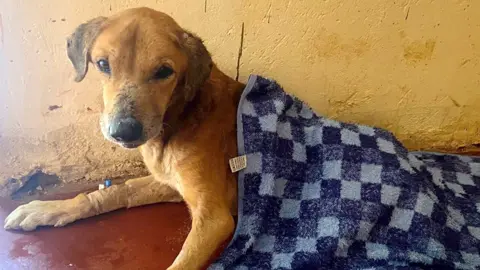
What makes this animal donation fraud particularly insidious is the validation mechanisms these scammers employ to increase their credibility. They request donations through multiple payment platforms, including cryptocurrency, international wire transfers, and third-party payment apps that are difficult to trace. Victims report that when they expressed skepticism or requested additional verification, the scammers would provide increasingly detailed narratives, occasionally even arranging video calls from supposed rescue locations to further convince potential donors of legitimacy.
The BBC's investigation tracked multiple scam operations, finding that individual perpetrators often ran numerous fake rescue organizations simultaneously. One fraudster was discovered operating at least a dozen different websites, each with distinct names, locations, and supposed specialties—ranging from dog rescues to elephant sanctuaries to cat rehabilitation programs. This diversification strategy allowed them to target different demographic groups and maximize their profit margins across multiple simultaneous fraud schemes.
Financial analysis of the operation revealed that some scammers were generating substantial income from this scheme. Victims reported donating anywhere from fifty dollars to tens of thousands of dollars, with some making monthly recurring donations over periods spanning months or even years. The cumulative impact on individual victims' finances has been devastating, with several reporting that they had redirected significant portions of their charitable giving toward these fraudulent operations at the expense of legitimate animal welfare organizations.

The BBC investigation also examined how these online charity scams flourish despite existing safeguards and reporting mechanisms. Many victims indicated they felt embarrassed reporting their victimization, fearing judgment for being deceived. Additionally, the international nature of the fraud creates jurisdictional challenges that make prosecution and victim restitution extraordinarily complex. Ugandan authorities, while cooperating with international investigators, face resource constraints that limit their ability to comprehensively address the problem.
The researchers identified several common warning signs that distinguish legitimate animal rescue organizations from fraudulent operations. Legitimate rescues typically maintain transparent financial reporting, verifiable organizational credentials, and established relationships with veterinary institutions and animal welfare authorities. In contrast, the scam operations frequently avoided detailed financial disclosures, changed contact information regularly, and maintained vague or contradictory details about their operational locations and activities.
Experts interviewed in the investigation emphasized that donation fraud prevention requires increased vigilance from potential donors and platforms alike. They recommend that individuals seeking to support animal welfare causes conduct thorough research before contributing funds, verify organizational legitimacy through independent sources, and be cautious of emotional manipulation tactics used in fundraising appeals. Additionally, payment platforms have been urged to implement stronger verification procedures for organizations collecting funds for charitable purposes.

The impact of this scheme extends beyond financial losses, as it has contributed to donor fatigue and erosion of trust in legitimate animal welfare organizations. Several established charities working with actual dog rescues in Uganda reported declining donation rates following public awareness of the scam, despite their verified track records and transparent operations. This collateral damage undermines genuine efforts to address real animal welfare crises in resource-constrained regions.
In response to the BBC's findings, various organizations have launched awareness campaigns educating the public about charity fraud recognition and safe donation practices. Digital platforms have begun implementing additional security measures, including verification badges for established organizations and warnings about common scam indicators. Law enforcement agencies in multiple countries are coordinating investigations into the perpetrators, with some arrests already documented as a result of the BBC's investigation.
The BBC investigation serves as a critical reminder that technological advancement has enabled fraudsters to operate at unprecedented scale and sophistication. The anonymity of online platforms, combined with the emotional appeal of animal welfare causes, creates an ideal environment for these schemes. Going forward, potential donors must balance their compassion for suffering animals with healthy skepticism about unverified organizations requesting funds.
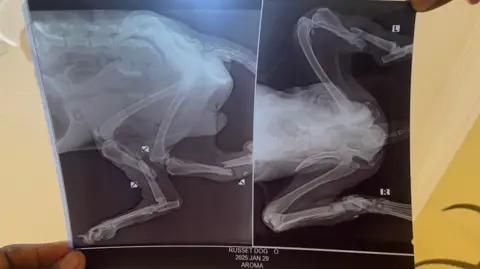
For those who have already fallen victim to these schemes, support networks and resources have begun emerging to provide both emotional support and practical guidance. Several organizations now offer specific assistance to scam victims, helping them report incidents to appropriate authorities and potentially recover funds through legal mechanisms. However, victims are increasingly being advised that financial recovery remains challenging due to the cross-border nature of these operations and the difficulty in tracing cryptocurrency transactions.
The broader implications of this investigation highlight systemic vulnerabilities in online fundraising infrastructure that scammers exploit with alarming regularity. As charitable giving increasingly moves to digital platforms, the need for robust verification systems, donor education, and international law enforcement coordination becomes more critical than ever. The BBC's revelations will likely prompt significant policy discussions about how to balance the ease of charitable giving with adequate protections against sophisticated fraud schemes targeting compassionate individuals worldwide.
Source: BBC News


