
UK Energy Crisis: Green Experts Link Bills to Climate Battle

As Reform pledges to block renewables, energy leaders warn fossil fuel dependency threatens UK security. Green experts urge voters to understand the connection between bills and climate policy.
The upcoming Thursday local elections have positioned the UK's escalating cost of living crisis as the dominant political battleground, with voters expressing deep frustration over household expenses across countless doorstep conversations. However, green energy experts and climate advocates are pushing for a more nuanced public dialogue that connects the immediate pain of rising bills directly to fossil fuel dependency and long-term climate policy decisions. These campaigners argue that without proper voter education on these interconnections, citizens may inadvertently support political remedies that could exacerbate their financial struggles rather than alleviate them.
Ami McCarthy, serving as the head of politics at Greenpeace UK, has emphasized the global dimensions of this domestic crisis, stating: "With people's bills and prices soaring from yet another fossil fuel crisis, these local elections have a global context – driven by the Iran war." This perspective highlights how international geopolitical tensions directly impact household energy costs and underscores why renewable energy independence represents not merely an environmental imperative but also a critical national security and economic resilience issue. McCarthy's comments reflect growing concern among environmental organizations that voters are not being presented with the complete picture regarding the relationship between their immediate financial hardship and the energy policies they choose to support.
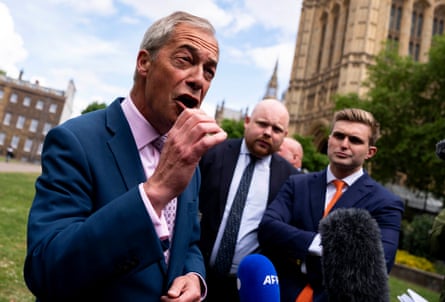
The political landscape has become increasingly contentious as Reform UK has made explicit pledges to block major solar and wind farm projects, positioning themselves as opponents of renewable energy expansion. This stance has prompted sharp responses from energy sector leaders and climate experts who contend that renewable energy sources represent the most economically secure and strategically sound path forward for the United Kingdom. According to these experts, investing in domestic renewable capacity would insulate British consumers from the volatile international fossil fuel markets that have repeatedly driven energy price spikes and created the affordability crisis now dominating electoral conversations.

Energy leaders across the sector have mobilized to communicate a unified message: that the transition to renewables is fundamentally about protecting British households from future price shocks and reducing vulnerability to geopolitical disruption. Unlike fossil fuels, which must be purchased on global markets subject to international tensions, wars, and supply chain vulnerabilities, domestic renewable energy provides price stability and economic independence. This argument extends beyond simple cost considerations to encompass broader questions of national security and strategic autonomy in an increasingly unstable global environment.
The silence on these connections during the electoral campaign has concerned environmental organizations, who view it as a critical democratic deficit. When voters are presented with a false choice between affordable energy and climate action, they are being denied essential information needed to make informed decisions that serve their long-term interests. Climate policy advocates argue that the framing of renewable energy as expensive and economically damaging is not only misleading but actively harmful to public understanding of how energy markets actually function and how policy choices impact household finances.
The backdrop to this electoral moment includes months of sustained pressure on household budgets from energy bills that have repeatedly hit record levels. Many UK residents have struggled with decisions between heating their homes and purchasing food, creating understandable anxiety about energy costs that politicians have sought to weaponize. However, green experts warn that oversimplified political messaging blaming "green levies" for all energy price increases obscures the reality that renewable energy actually insulates consumers from the very commodity price spikes currently causing their distress.
The geopolitical context that McCarthy referenced deserves particular attention, as it demonstrates how the UK's continued reliance on fossil fuel imports creates ongoing vulnerability to international conflicts and supply disruptions. The Iran war mentioned in her comments illustrates how Middle Eastern tensions directly ripple through to British household energy bills, a connection that rarely receives adequate public attention during electoral campaigns focused on domestic cost-of-living narratives. Building renewable energy capacity would systematically reduce this exposure over time, providing genuine long-term price stability that fossil fuel markets simply cannot offer.
Environmental organizations are attempting to raise awareness of these interconnections through various campaign strategies, though they acknowledge that competing against the immediate emotional impact of high bills presents significant challenges. Voters experiencing genuine financial hardship understandably prioritize immediate relief, making it difficult for longer-term arguments about energy independence and climate resilience to gain traction. Nevertheless, green leaders contend that this makes it even more crucial for political parties and media outlets to help voters understand that supporting renewable energy expansion is actually the most effective way to secure stable, affordable energy in the future.
The contrast between different political positions on renewable energy development has sharpened considerably ahead of the local elections. While Reform UK explicitly opposes solar and wind expansion, other political parties have generally supported continued investment in renewables, though often without effectively communicating the direct links to household affordability. This communications gap represents a significant vulnerability for pro-renewable parties, who have ceded the narrative terrain to opponents despite having stronger factual positions on the economic and security arguments for clean energy transitions.

Energy sector professionals have increasingly stepped forward to challenge what they view as dangerous misinformation about renewable energy economics and reliability. Industry data consistently demonstrates that renewable energy costs have fallen dramatically over recent decades and continue to decline, while fossil fuel prices remain subject to volatile international market forces. Engineers and energy analysts emphasize that modern renewable energy systems with battery storage and smart grid technology can reliably meet national energy demand while providing unprecedented price stability compared to fossil fuel dependency.
Looking beyond the immediate electoral moment, the green energy sector anticipates that the evidence regarding renewable energy's economic advantages will eventually shift public opinion and political positioning. However, this timeline extends far beyond the current election cycle, meaning that voters making decisions this week are doing so without full information about the genuine connections between their energy choices and household affordability. This gap between electoral timing and the technical realities of energy systems represents a fundamental challenge for climate advocates seeking to build political momentum for rapid renewable energy transition.
The ultimate message from environmental and energy experts is that UK voters deserve a more complete and honest conversation about energy policy during this crucial electoral period. By understanding how fossil fuel market volatility directly drives their bills and how renewable energy investment offers genuine protection against future price spikes, citizens can make political choices that truly serve their financial interests while simultaneously addressing climate imperatives. Without this educational groundwork from political leaders and media institutions, the current election risks cementing public support for policies that may feel immediately appealing but could ultimately perpetuate the very cycles of energy price inflation and insecurity that are causing current hardship.
Source: The Guardian


