
UK Enters Talks to Join €90bn EU Loan Scheme for Ukraine

PM Keir Starmer announces UK negotiations to join EU's €90bn Ukraine aid package, opening doors for British defence firms to secure major contracts.
Prime Minister Keir Starmer has announced that the United Kingdom is initiating formal discussions with the European Union regarding participation in a substantial €90 billion (£78 billion) loan initiative designed to support Ukraine's ongoing reconstruction and defence efforts. This significant announcement was made while Starmer attended the European Political Community summit in Yerevan, Armenia, positioning the UK as a key stakeholder in European security and economic cooperation during a critical period for Ukraine's future.
The timing of this announcement is particularly noteworthy, as many Members of Parliament across the UK are engaged in campaigning for the upcoming elections scheduled for Thursday. However, Starmer's focus on international affairs demonstrates the government's commitment to addressing broader geopolitical concerns alongside domestic political priorities. The move underscores the administration's intention to strengthen relationships with European partners and play an active role in supporting Ukraine during what remains a challenging period in the conflict now entering its fifth year.
The European Political Community, established four years ago, serves as a comprehensive forum bringing together all European Union member states and nearly every other European nation outside the EU framework. This inclusive gathering provides a platform for discussing shared continental challenges and opportunities. Notably, Canadian Prime Minister Mark Carney's attendance at the summit reflects the broader geopolitical realignment occurring in response to recent international developments, suggesting that traditional alliances are evolving to meet contemporary security needs.
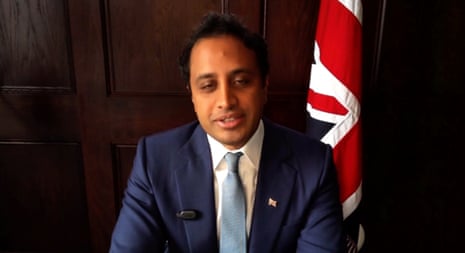
According to Starmer's remarks during the summit, participating in the EU's Ukraine loan scheme represents a mutually beneficial arrangement for both Ukraine and the United Kingdom. For Ukraine, the additional financial resources would provide essential capabilities during a prolonged conflict, addressing urgent defence and reconstruction needs that have become increasingly critical as the war extends into its fifth consecutive year. The funds would enable Ukraine to strengthen its military infrastructure, support civilian recovery efforts, and maintain operational capacity against ongoing challenges.
The prime minister emphasized that British participation in this initiative carries substantial economic implications for the UK economy and workforce. By joining the loan scheme, the United Kingdom positions itself to benefit from expanded commercial opportunities, particularly through job creation in the defence and related industrial sectors. Starmer specifically highlighted how the scheme would create pathways for British companies to access lucrative contracts and address Ukraine's most pressing capability requirements.
The defence industry contracts emerging from this initiative represent a significant opportunity for British manufacturers and service providers. As Ukraine seeks to modernize its military capabilities and replace equipment damaged during the conflict, demand for specialized defence equipment, technology, and services will remain substantial. British firms, with their advanced manufacturing capabilities and proven track record in defence production, are well-positioned to compete for and secure major contracts that could generate considerable revenue and employment opportunities across the UK.
This strategic move signals a broader shift in UK-EU relations under the current government's leadership. The announcement reflects Starmer's earlier calls at the Munich Security Conference in February, where he outlined his vision for a more ambitious and comprehensive relationship between Britain and the European Union. These overtures suggest a willingness to move beyond the immediate post-Brexit period and establish a more constructive partnership framework that addresses shared security and economic interests.
The decision to pursue participation in the EU's Ukraine aid package demonstrates a recognition that contemporary security challenges transcend national borders and require coordinated international responses. Ukraine's struggle for sovereignty and territorial integrity has profound implications for European security architecture, and Britain's commitment to supporting Ukraine through financial mechanisms underscores this understanding. The loan scheme itself represents a coordinated European response to the humanitarian and military dimensions of the ongoing conflict.
Economic analysts have noted that participation in such joint initiatives can yield multiple returns for participating nations. Beyond the immediate commercial benefits for British firms, the scheme potentially strengthens the UK's diplomatic influence within European forums and reinforces Britain's commitment to international security cooperation. These diplomatic dividends can translate into enhanced influence on future European policy decisions and strengthen bilateral relationships with key partners.
The process of joining the EU's loan scheme will require navigating complex regulatory and procedural frameworks. The UK will need to work with EU officials to establish the terms of British participation, determine financial contribution levels, and establish mechanisms for accessing and bidding on contracts arising from the initiative. These negotiations are expected to unfold over coming weeks and months, with civil servants from relevant departments coordinating with their European counterparts.
From Ukraine's perspective, expanded participation in the loan scheme enhances its prospects for securing comprehensive financial support from multiple sources. British involvement brings additional capital resources and access to a different pool of suppliers and service providers, potentially offering Ukraine greater choice in procuring necessary goods and services. This diversification of support sources strengthens Ukraine's negotiating position and reduces dependency on any single funding mechanism or supplier relationship.
The announcement also reflects broader recognition among Western leaders that sustained, long-term support for Ukraine remains essential to achieving a resolution that respects Ukrainian sovereignty and territorial integrity. As the conflict enters what many analysts expect to be an extended period of military stalemate and grinding attrition, the importance of reliable funding mechanisms becomes increasingly apparent. The EU's loan scheme, supplemented by British participation, helps ensure that Ukraine can maintain its defence capacity while simultaneously addressing civilian reconstruction needs.
Domestically, the government's focus on international security matters while elections loom demonstrates a calculation that British voters value leadership engagement on global issues. The emphasis on defending Ukrainian sovereignty and supporting European security resonates with a significant portion of the electorate concerned about geopolitical stability and the international rules-based order. By articulating a clear vision of Britain's role in European security cooperation, Starmer is positioning the government as engaged and purposeful on matters of national importance extending beyond immediate domestic concerns.
Looking forward, this initiative may serve as a template for expanded UK-EU cooperation on other shared challenges including defense procurement, technology development, and intelligence sharing. As Russia's war in Ukraine continues and broader European security concerns persist, the mechanisms established through financial cooperation could evolve into more comprehensive security partnerships. The loan scheme thus represents not merely an immediate response to Ukraine's needs but potentially the foundation for a more durable European security framework incorporating British participation.
Source: The Guardian


