
UK High Street Shops Used for Drug Trafficking

BBC undercover investigation exposes how criminal gangs exploit convenience stores across the UK to sell cocaine, cannabis, and prescription drugs illegally.
A comprehensive BBC undercover investigation has unveiled a disturbing trend sweeping across the United Kingdom, revealing that small convenience stores and mini-marts on the high street are being systematically exploited by organized criminal networks. The secret filming operation documented the sale of various illegal drugs including cocaine, cannabis, and prescription medications being sold without proper authorization from behind shop counters and in back rooms of seemingly legitimate retail establishments.
The investigation demonstrates the alarming scale of drug trafficking occurring in plain sight across British neighborhoods. Experts and law enforcement officials interviewed for the report express serious concern about how easily these operations have become established in communities. The findings suggest that criminal organizations have developed sophisticated methods to use legitimate business fronts as distribution centers, exploiting both the physical locations and the trust customers place in these neighborhood institutions.
According to the footage captured during the secret filming, transactions involving controlled substances were conducted with minimal attempt to conceal the illegal activity. Some shop owners and staff members appear to operate these drug sales with relative openness, suggesting either deliberate complicity or an alarming lack of concern about the legal consequences of their actions. The investigation raises critical questions about how pervasive this problem has become and why so many establishments have become compromised in this manner.
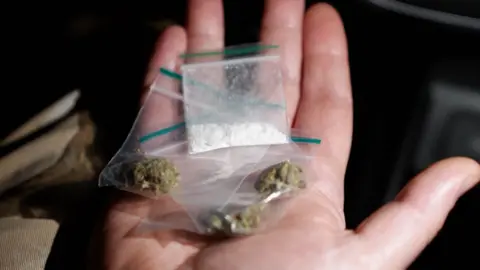
The criminal gangs utilizing these retail locations have created a distribution network that operates within regular business hours, making detection more difficult for authorities. Customers, many of whom may be unaware that illegal transactions are occurring, frequent these shops for everyday items while organized crime syndicates conduct their operations in the same spaces. This overlap between legitimate commerce and criminal activity creates a uniquely dangerous situation that extends the reach of organized crime into the heart of residential communities.
Law enforcement and drug policy experts highlight that the exploitation of high street retailers represents a strategic evolution in how drug trafficking networks operate in the modern era. Rather than relying solely on hidden facilities or late-night operations, gangs have discovered that hiding illegal drug sales within the routine of daily retail business provides significant operational advantages. The constant foot traffic, legitimate customer base, and everyday nature of convenience store transactions create cover for criminal activity that might otherwise attract suspicion.
The investigation's findings have prompted urgent discussions about strengthening regulations and enforcement mechanisms to protect retail businesses from criminal exploitation. Industry representatives and business associations have expressed alarm at the extent to which their establishments are being compromised without their cooperation. Many shop owners worry about the liability and reputational damage that comes from having their premises used for drug distribution, even when they are not directly involved in these activities.
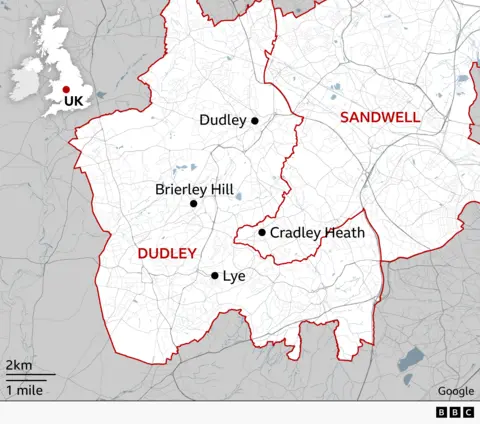
Community impact represents another critical dimension of this problem, as neighborhoods where drug trafficking is prevalent often experience increased crime rates and social disorder. Residents living near shops that serve as drug distribution points frequently report elevated levels of anti-social behavior, including loitering, intimidation, and violent incidents. The drug market operating through these retail channels contributes to broader public health concerns and community safety issues that extend far beyond the individual transactions being conducted.
The prescription drugs component of the investigation proves particularly troubling, as these medications are being diverted from legitimate pharmaceutical supply chains. Controlled medications intended for medical patients are instead being sold to recreational users or individuals with addiction disorders, circumventing the medical supervision these substances require. This diversion undermines the healthcare system and contributes to rising rates of prescription drug misuse and addiction across the country.
Enforcement agencies acknowledge the challenges they face in combating this distributed network of illegal drug sales. Unlike traditional drug trafficking investigations that focus on specific facilities or individuals, the high street mini-mart model requires monitoring and investigating hundreds of small businesses across numerous jurisdictions. Resource constraints and the need to build evidence of individual shop owner complicity make enforcement efforts extraordinarily complex and time-consuming.
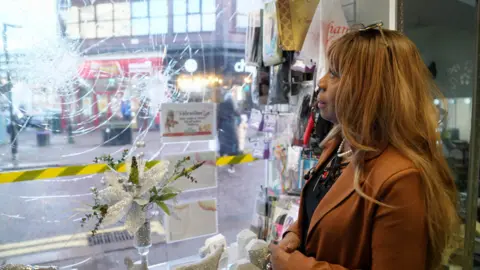
The BBC's investigation methodology involved trained undercover reporters visiting numerous shops and documenting offers to purchase various controlled substances. The operational security measures employed by those conducting these illegal sales suggest a level of organization and confidence that indicates the problem is well-established and deeply entrenched in certain areas. Some perpetrators appeared to have minimal concern about legal consequences, suggesting either inadequate enforcement, light sentencing, or a perception that the probability of apprehension is extremely low.
Response from local government and civic organizations has been swift, with calls for increased regulation of retail premises and mandatory reporting mechanisms. Some local authorities are exploring options to require retail establishments to implement additional security measures, staff training programs, and compliance verification systems. These proposals aim to make it more difficult for criminal organizations to operate through legitimate business fronts while simultaneously protecting honest shopkeepers from unwilling participation in drug distribution networks.
The revelation of this widespread practice has sparked broader conversations about the root causes enabling such extensive criminal activity to flourish in plain sight. Economic pressures on small retailers, inadequate enforcement resources, community disconnection, and the enormous profitability of drug trafficking all contribute to the conditions allowing this exploitation to occur. Addressing these underlying factors will likely prove essential to effectively combating the problem rather than merely responding reactively to individual cases.

Looking forward, the investigation highlights the importance of comprehensive strategies that coordinate effort among retail businesses, law enforcement agencies, community organizations, and regulatory bodies. Information sharing, best practice development, and collaborative enforcement initiatives may prove necessary to disrupt the networks now operating through high street retail establishments. The complexity and scale of the problem suggest that addressing it will require sustained attention and resources beyond what single agencies can currently provide.
Source: BBC News


