
UK Leader Starmer Speaks with Trump After Iran Strike Criticism

Following Trump's criticism of UK's lack of support for Iran strikes, Starmer discusses military cooperation and use of RAF bases with the US president.
Amid heightened tensions in the Middle East, UK Labour Party leader Sir Keir Starmer has engaged in a conversation with US President Donald Trump, discussing their military cooperation and the use of Royal Air Force (RAF) bases to support the collective self-defense of partners in the region.
The call comes after Trump intensified his criticism of Starmer over the lack of immediate UK support for the US-Israeli strikes on Iran, saying on social media: "We don't need people that join Wars after we've already won!"
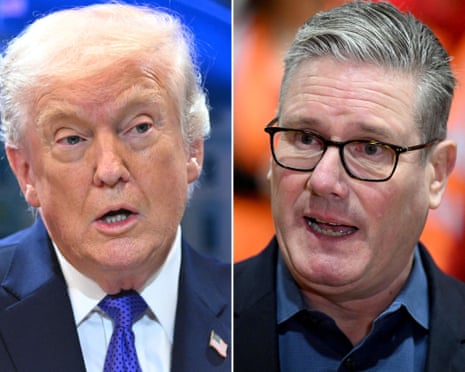
Downing Street has confirmed the conversation between the two leaders, highlighting their ongoing military cooperation and the use of RAF bases to support the collective self-defense efforts in the Middle East. This exchange follows a period of heightened tensions in the region, with the recent US-Israeli strikes on Iran sparking international concern and debate.
The UK's stance on the situation in the Middle East has come under scrutiny, with Trump's criticism of Starmer's perceived lack of immediate support for the US-led strikes seen as a sign of the ongoing geopolitical tensions and the complex web of alliances and rivalries in the region.
As the situation continues to unfold, the conversation between Starmer and Trump underscores the need for effective diplomatic communication and coordination between key allies in addressing the security challenges in the Middle East. The use of RAF bases by the US military highlights the longstanding defense cooperation between the two nations, even as they navigate the nuances of their respective positions on the evolving regional dynamics.
Political analysts suggest that the exchange between Starmer and Trump reflects the delicate balance UK leaders must strike in maintaining strong ties with the US while also navigating the complex political landscape and public sentiment surrounding the Middle East conflict. As the situation continues to evolve, the outcome of these high-level discussions could have significant implications for the UK's role and influence in the region.
Source: The Guardian


