
UK Nightingale Population Shows Signs of Recovery

RSPB reports cautious optimism as UK nightingale numbers tick upward, though habitat loss remains a significant concern for the iconic songbird's future.
The UK nightingale population is experiencing a modest resurgence, according to recent observations from the Royal Society for the Protection of Birds, offering a glimmer of hope for conservationists who have long monitored the decline of this iconic British songbird. However, experts remain cautiously optimistic, emphasizing that while the increase is noteworthy, significant challenges still threaten the species' long-term survival in the United Kingdom.
At RSPB Northward Hill, a renowned nature reserve nestled in the Kent countryside, the spring dawn chorus erupts into a magnificent tapestry of sound each morning. The melodious calls of robins blend seamlessly with the distinctive two-tone notes of cuckoos, while whitethroats contribute their characteristic scratchy warbles to the auditory landscape. Even the less musical mooing of cattle and honking of geese from the adjacent Thames marshes add unexpected texture to this natural symphony, creating an immersive sensory experience for early risers and dedicated birdwatchers alike.
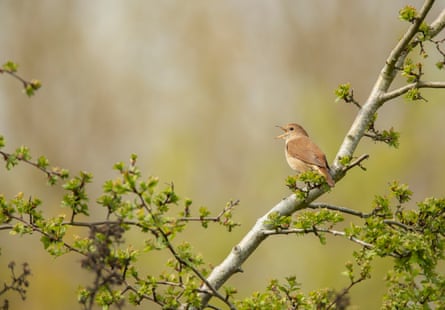
Yet there is one performer that commands particular attention during the late April season. The nightingale, a legendary songster that has inspired poets and composers for centuries, arrives at its breeding grounds after an arduous migration journey spanning thousands of miles from West Africa. During the initial weeks following its arrival, this remarkable bird dedicates considerable energy to elaborate vocal performances, engaging in complex and intricate song sequences that continue throughout the night and into the early morning hours.

The nightingale's nocturnal and crepuscular singing behaviour serves multiple biological imperatives, making its vocalizations far more than mere entertainment. As the bird searches for a suitable mate among the arriving females and establishes territorial boundaries against rival males, its repertoire demonstrates remarkable emotional range and vocal versatility. The same bird that produces exquisitely beautiful, soulful passages—comparable to the smooth delivery of a professional soul vocalist—can abruptly shift to frantic, alarm-like vocalizations reminiscent of a car alarm, startling listeners with the dramatic tonal shift.
The slight increase in nightingale numbers documented by the RSPB represents a significant achievement in bird conservation efforts, particularly given the species' well-documented historical decline across Britain. Throughout the latter decades of the twentieth century, the nightingale population underwent a dramatic contraction, with numbers falling precipitously as suitable breeding habitat disappeared and environmental conditions deteriorated. The recent uptick in populations, while modest in absolute terms, suggests that targeted conservation interventions and habitat management strategies may be yielding tangible results.
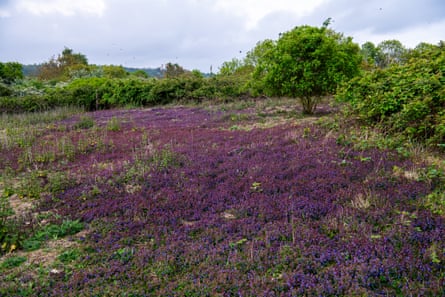
Nevertheless, habitat loss continues to pose the most formidable threat to the nightingale's future in Britain. The conversion of traditional coppiced woodland and scrubland to urban development, agricultural intensification, and neglect of traditional habitat management practices has systematically eroded the ecological niche that nightingales require to survive and reproduce successfully. These birds depend critically on dense, low-growing vegetation—particularly areas of recently coppiced woodland with abundant regenerating growth—where they can construct nests, shelter from predators, and forage for invertebrate prey.
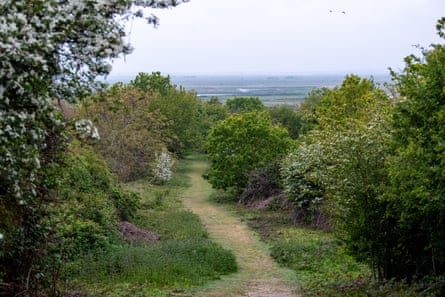
Conservation specialists emphasize that reversing the historical decline of nightingale populations will require sustained commitment to habitat restoration and creation across southern England, where most British breeding birds are concentrated. Organizations like the RSPB have invested considerable resources in purchasing and managing suitable properties, implementing active management such as coppicing to maintain the structural diversity that nightingales require. This labour-intensive approach demands both financial investment and long-term planning, as the benefits of habitat management often take several years to become apparent in population metrics.
The nightingale's ecological preferences make it a particularly challenging species to conserve in modern Britain. Unlike some other songbirds that have successfully adapted to suburban gardens or woodland edges, nightingales maintain strict requirements for specific habitat characteristics. They favour areas with dense understory vegetation, minimum disturbance during the breeding season, and adequate insect populations to sustain both adults and rapidly growing chicks. These demands mean that conservation cannot be achieved through simple protection measures alone; active, often costly management is essential.
Climate change introduces another layer of complexity to nightingale conservation efforts. The timing of spring arrival has shifted over recent decades, potentially creating mismatches between the birds' reproductive cycles and the peak availability of insect prey. Additionally, changing conditions along the African wintering grounds and migration routes may impact the physical condition of birds arriving in Britain, affecting breeding success rates and survival probabilities. These interconnected challenges underscore the global nature of bird conservation, which cannot be adequately addressed through local efforts alone.
The RSPB's cautious welcome of the population increase reflects a sophisticated understanding of conservation science. While celebrating incremental gains, the organization simultaneously acknowledges the substantial work that remains to ensure the nightingale's secure future in Britain. The slight numerical improvement cannot be interpreted as indicating that the crisis has passed or that existing conservation efforts are sufficient to guarantee long-term population stability.
Public engagement has emerged as an increasingly important component of nightingale conservation strategy. By highlighting the remarkable achievements of RSPB reserves like Northward Hill and documenting the presence of these celebrated singers, conservationists hope to generate awareness and support among the broader public. The nightingale's cultural significance as a symbol of spring and inspiration for artistic endeavour provides a compelling narrative that can mobilize conservation action and funding.
Looking forward, conservationists anticipate that continued investment in habitat management, coupled with careful monitoring of population trends, will be necessary to build upon the recent modest gains. The challenge lies in scaling up successful local conservation models across the broader landscape, ensuring that sufficient suitable habitat exists to support a genuinely secure and robust nightingale population throughout southern England. Until that objective is achieved, experts insist that celebrating current progress must be tempered with continued vigilance and sustained effort toward more ambitious conservation goals.
Source: The Guardian


