
UK Relaxes Airline Slot Rules Amid Fuel Crisis

UK government eases penalties for airlines facing jet fuel shortages, allowing carriers to retain airport slots during service cancellations.
In a significant policy shift aimed at stabilizing the aviation sector, the United Kingdom has announced the relaxation of strict airline penalties for carriers experiencing disruptions due to jet fuel shortages. The government's decision to ease regulatory constraints comes as the nation grapples with unprecedented supply chain challenges that threaten to disrupt air travel for millions of passengers. This measure represents a pragmatic approach to managing the crisis while maintaining the viability of essential air routes across the country.
The Department for Transport has explicitly stated that airlines will be permitted to retain their coveted airport slots at congested UK airports even when they are forced to cancel flights due to fuel supply constraints. Historically, aviation regulations have required carriers to operate at least 80% of their assigned takeoff and landing slots over a given period, with failure to do so resulting in the forfeiture of these valuable operational rights. These slots represent critical assets for airlines, as they determine their capacity to serve major airports like London Heathrow, Gatwick, and Stansted.
The temporary suspension of these slot-use requirements acknowledges the extraordinary nature of the current supply crisis. Airlines have found themselves unable to secure adequate quantities of Jet A-1 fuel at reasonable costs, creating a genuine operational emergency that extends beyond normal market fluctuations. This unprecedented situation forced the government to reconsider its approach to regulatory compliance, recognizing that penalizing carriers for circumstances beyond their control would exacerbate the broader economic damage to the aviation industry.
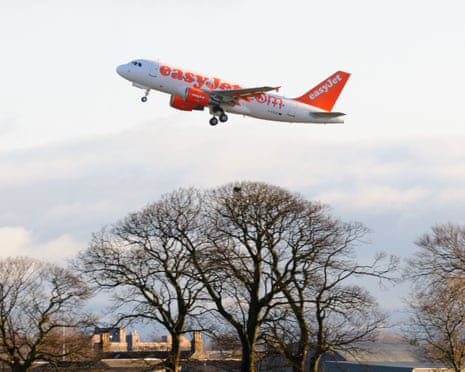
Simultaneously, the UK government has launched a comprehensive public reassurance campaign encouraging British travelers to maintain their travel plans and proceed with booked flights. Officials have emphasised that the situation, while challenging, remains manageable and that flight operations continue across the country, albeit with some disruptions. The Department for Transport has worked closely with aviation stakeholders to ensure that essential routes remain operational and that the traveling public has access to reliable air transport services.
The fuel shortage crisis emerged from a confluence of factors, including supply chain disruptions, refinery capacity constraints, and increased global demand for aviation fuel in the post-pandemic recovery period. Several refineries across Europe have experienced unexpected shutdowns for maintenance and upgrades, reducing the overall supply of Jet A-1 fuel available to UK carriers. Additionally, the geopolitical tensions affecting global energy markets have contributed to price volatility and supply uncertainty that has complicated planning for airlines relying on consistent fuel availability.
Industry analysts have pointed out that this crisis underscores the fragility of the aviation sector's supply chain infrastructure. Airlines typically operate with limited fuel reserves, planning their procurement carefully to balance costs against operational needs. When supply suddenly becomes constrained, carriers lack the flexibility to quickly source fuel from alternative providers, leading to cascading disruptions across flight schedules. The government's decision to ease slot requirements provides temporary relief, but industry experts warn that longer-term solutions are needed to prevent similar crises.
The relaxation of airport slot regulations is expected to remain in effect only for as long as the fuel shortage persists. The government has stated that it will monitor the situation closely and will reinstate standard compliance requirements once supply chains normalize and fuel availability returns to adequate levels. This measured approach attempts to balance the immediate needs of the aviation industry with the long-term maintenance of operational discipline that the slot system is designed to enforce.
Airlines have welcomed the government's flexible stance, with industry representatives noting that the temporary relief provides breathing room to navigate the current crisis without losing valuable operational capacity. However, carriers have also emphasized that this measure alone is insufficient to resolve the underlying supply challenges. They have called for coordinated action between government, fuel suppliers, and refineries to identify and implement sustainable solutions that will prevent future disruptions to air travel.
The impact of the fuel shortage has varied across different UK airports and airlines. Major carriers operating at London's primary airports have been particularly affected, as the concentration of flights at these facilities means that fuel supply shortages have immediate consequences for schedules. Regional airports and airlines serving secondary routes have experienced fewer disruptions, though no carrier has remained entirely unaffected by the supply pressures and price volatility in the fuel market.
Passenger communication has emerged as a critical challenge during this period. The government's directive for airlines to reassure the public about travel safety has required carriers to increase transparency regarding their fuel procurement strategies and flight scheduling decisions. Many airlines have implemented additional communication channels to keep passengers informed about potential disruptions and have worked to rebook affected travelers on alternative services where possible, minimizing disruption to holiday plans and business travel.
Looking forward, industry stakeholders are focused on ensuring that aviation fuel supply becomes more resilient and less vulnerable to sudden disruptions. Suggestions range from increasing government support for fuel storage facilities to encouraging diversification of fuel sources and the development of sustainable aviation fuels. The current crisis has highlighted the need for strategic planning at the national level to ensure that essential aviation infrastructure can withstand future supply chain challenges without requiring emergency regulatory interventions.
The government's decision to ease airline slot penalties demonstrates a willingness to adapt regulatory frameworks in response to genuine operational emergencies. This flexibility, while necessary in the current context, also raises questions about how aviation regulation will evolve as the industry continues to face new and unprecedented challenges. Policymakers are expected to conduct comprehensive reviews once the immediate crisis has resolved, to determine whether permanent changes to slot regulations or other supportive measures are warranted to strengthen the sector's resilience.
The broader implications of this crisis extend beyond the immediate aviation sector, touching on energy security, supply chain management, and government intervention in critical industries. The fuel shortage has demonstrated that even well-developed economies can face rapid supply disruptions when key infrastructure fails or demand surges unexpectedly. This experience will likely inform policy discussions about strategic reserves, diversification of supply sources, and regulatory frameworks that can balance efficiency with resilience.
Source: The Guardian


