
UK Reparations Must Lead Commonwealth Summit Agenda

Caribbean leader demands slavery reparations be central to Commonwealth meeting. Gonsalves says Britain cannot ignore growing movement for colonial justice.
The push for UK slavery reparations is intensifying as Caribbean leaders prepare for crucial discussions at the upcoming Commonwealth summit. Former Prime Minister Ralph Gonsalves of St Vincent and the Grenadines has made an emphatic declaration that it would be "inconceivable" for reparatory justice from Britain to remain absent from the center of diplomatic conversations when Commonwealth nations convene later this year.
Gonsalves, who has become a prominent voice in advocating for historical accountability, was present in Jamaica to coordinate the next phase of what he describes as an "alive and growing" movement. This reparations movement seeks meaningful compensation and acknowledgment from Britain for its role in the transatlantic slave trade that lasted for centuries. The former leader's comments underscore the increasing urgency with which Caribbean and African nations are pressing for recognition of the profound injustices perpetrated during the era of chattel slavery.
The timing of Gonsalves' statements is particularly significant as Commonwealth nations prepare for their leaders' summit scheduled for November. His insistence that colonial reparations must feature prominently on the agenda reflects a broader shift in international discourse around historical accountability and economic justice. The movement has gained considerable momentum in recent years, with numerous Caribbean nations, particularly those with historical ties to the British Empire, calling for tangible measures to address the lasting economic and social impacts of slavery and colonization.

The slavery reparations debate encompasses far more than symbolic gestures or formal apologies. Advocates like Gonsalves argue that centuries of forced labor extraction, resource exploitation, and systematic dehumanization warrant concrete compensatory measures from former colonial powers. These could include direct financial payments, investments in education and healthcare infrastructure in affected nations, or other forms of economic restitution designed to address historical inequities that continue to impact descendant communities.
Britain's role in the transatlantic slave trade represents one of the darkest chapters in human history. The nation profited enormously from the enslavement and exploitation of millions of Africans who were forcibly transported across the Atlantic. The wealth accumulated through this brutal trade formed a significant foundation for Britain's imperial power and economic development during the industrial revolution. Understanding this historical context is essential for comprehending why reparations for slavery have become such a pressing issue for nations across the Caribbean and beyond.
Gonsalves' position reflects the sentiments of multiple Caribbean governments and civil society organizations that have increasingly vocalized their demands for historical acknowledgment and material compensation. The movement has transcended traditional political boundaries, with leaders from various ideological backgrounds uniting around the conviction that Britain cannot simply move forward without addressing the injustices of its colonial past. This consensus-building has strengthened the legitimacy of reparations claims and increased pressure on the British government to engage seriously with these demands.
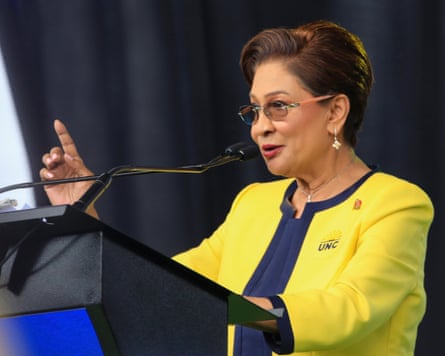
The Commonwealth summit presents a critical opportunity for this conversation to reach the highest levels of political discourse. As a multilateral organization that brings together nations with diverse historical experiences under British colonialism, the Commonwealth is an ideal venue for addressing these systemic issues. Gonsalves' declaration that Commonwealth reparations must be "front and centre" of discussions signals that Caribbean leaders plan to make this issue impossible for other member states to overlook or sidestep.
Beyond the Caribbean, the global reparations movement has gained traction in academic circles, activist organizations, and progressive political movements worldwide. Economists and historians have increasingly documented the long-term economic impacts of slavery and colonialism on affected populations, providing empirical support for reparations arguments. These studies demonstrate that the wealth disparities between formerly colonized nations and their former colonial masters are directly traceable to centuries of extraction and exploitation.
The position taken by Gonsalves and other Commonwealth leaders reflects a fundamental shift in how historical injustices are being addressed in the contemporary international system. Rather than accepting narratives of reconciliation without accountability, these leaders are demanding that Western nations confront their historical complicity and make meaningful efforts toward redress. This approach challenges the traditional power dynamics that have allowed former colonial powers to dictate the terms of historical discourse and contemporary relationships.
The mobilization of Caribbean nations around the reparations issue also reflects broader economic and social concerns within these regions. Many Caribbean economies continue to struggle with legacies of colonial exploitation, including land inequities, educational disparities, and limited access to capital. Advocates argue that direct reparations could address these systemic issues and provide resources for genuine economic development and social progress. This perspective frames reparations not as punishment but as corrective justice aimed at remedying historical wrongs and their ongoing consequences.
As the November Commonwealth summit approaches, all eyes will be on how world leaders respond to these demands. Gonsalves has effectively placed Commonwealth nations on notice that ignoring or marginalizing the reparations question is no longer a viable political option. The crescendo of voices calling for historical accountability suggests that this issue will only grow more prominent in international diplomatic circles. Whether the Commonwealth can forge a consensus approach to addressing these historical injustices remains to be seen, but Gonsalves' comments make clear that Caribbean and African leaders are determined to ensure this conversation happens at the highest levels of governance.
The stakes of this conversation extend beyond symbolic recognition or formal apologies. The Commonwealth summit represents an opportunity for substantive engagement with questions of historical justice, economic equity, and the responsibilities of nations that benefited from colonialism and slavery. As Gonsalves emphasizes, the time for avoiding these difficult conversations has passed. The growing movement demanding UK reparations for slavery represents a significant moment in international relations where historically marginalized voices are demanding that their experiences and the ongoing impacts of historical trauma be taken seriously by the global community.


