
UK's Budget Watchdog Faces Growth Criticism Before Budget

The Office for Budget Responsibility faces mounting criticism for allegedly constraining economic growth ahead of this week's crucial Budget announcement.
As the United Kingdom prepares for this week's highly anticipated Budget announcement, a fierce debate has emerged over the role and influence of the nation's independent fiscal watchdog. The Office for Budget Responsibility (OBR), established in 2010 to provide independent economic forecasts and analysis, now finds itself at the center of a contentious political discussion about whether its oversight has become overly restrictive.
Critics from across the political spectrum have begun questioning whether the OBR's conservative approach to economic forecasting is inadvertently stifling the government's ability to implement bold growth policies. The phrase "straitjacket on growth" has become a rallying cry for those who believe the watchdog's cautious methodology is preventing necessary economic reforms and investment initiatives that could boost Britain's sluggish economic performance.
The timing of this criticism is particularly significant, coming just days before the Chancellor is expected to unveil new fiscal measures designed to stimulate economic activity. Government ministers and backbench MPs have expressed frustration that OBR forecasts may be limiting their room for maneuver when it comes to implementing expansionary fiscal policies that could drive long-term economic growth.
The OBR's mandate requires it to assess the fiscal impact of government policies using rigorous economic modeling and conservative assumptions. This approach, while designed to ensure fiscal responsibility and prevent unsustainable borrowing, has drawn criticism for potentially underestimating the dynamic effects of pro-growth policies such as tax cuts, infrastructure investment, and regulatory reform.

Former Treasury officials and economic advisers have weighed in on the debate, with some arguing that the OBR's forecasting models may be too pessimistic about the economy's capacity for growth. They contend that the watchdog's focus on static analysis fails to capture the potential multiplier effects of well-designed economic policies, particularly those aimed at boosting productivity and competitiveness.
The controversy reflects broader tensions within British politics about the balance between fiscal responsibility and economic dynamism. Supporters of a more aggressive growth strategy argue that the country's economic challenges require bold action that may not fit neatly within traditional forecasting parameters. They point to other successful economies that have pursued more expansionary policies without compromising long-term fiscal sustainability.
However, defenders of the OBR's approach emphasize that the institution was created precisely to prevent the kind of fiscal irresponsibility that characterized previous economic crises. They argue that independent oversight is essential for maintaining market confidence and ensuring that government policies are based on sound economic principles rather than political expediency.
The debate has taken on added urgency given Britain's current economic challenges, including persistent inflation concerns, sluggish productivity growth, and the ongoing impact of global economic uncertainties. Many economists argue that the country needs a carefully calibrated approach that balances the need for economic stimulus with prudent fiscal management.
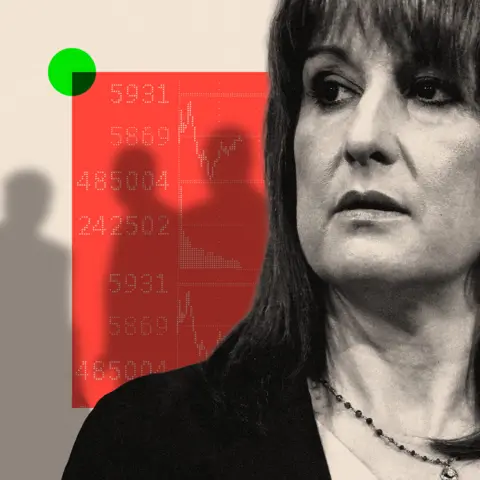
Parliamentary select committees have begun examining whether the OBR's remit and methodology need updating to reflect contemporary economic realities. Some MPs have suggested that the watchdog should be required to provide more optimistic scenarios alongside its baseline forecasts, giving policymakers a broader range of options to consider when designing fiscal policy.
The business community has also entered the fray, with industry leaders calling for greater flexibility in how economic policies are evaluated. Trade associations and corporate executives argue that the current system may be deterring necessary investments in infrastructure, research and development, and other productivity-enhancing measures that could deliver substantial long-term benefits.
International comparisons have become a key part of the debate, with critics pointing to other countries that have successfully implemented growth-oriented policies while maintaining fiscal discipline. They argue that Britain's approach may be overly cautious compared to international best practices, potentially putting the country at a competitive disadvantage.
As this week's Budget approaches, the Chancellor faces the delicate task of navigating between the OBR's constraints and political pressure to deliver meaningful economic reforms. The outcome of this debate could have far-reaching implications for how Britain approaches economic policy in the years ahead, potentially reshaping the relationship between independent oversight and political decision-making.
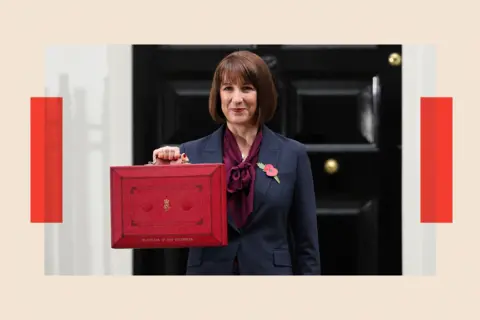
The controversy also raises important questions about democratic accountability and the role of technocratic institutions in shaping economic policy. While independent oversight can provide valuable checks and balances, critics argue that elected officials should retain ultimate authority over fiscal decisions, particularly when it comes to policies designed to promote long-term economic growth and prosperity.
Looking ahead, the resolution of this debate may require fundamental reforms to how Britain conducts fiscal policy and economic forecasting. Whether through changes to the OBR's mandate, methodology, or institutional structure, policymakers may need to find new ways to balance the competing demands of fiscal responsibility and economic dynamism in an increasingly complex global economy.
Source: BBC News


