
UK Scientists Race to Develop New Ebola Vaccine

UK researchers are working on an innovative Ebola vaccine targeting the deadly Bundibugyo strain, which could be ready within months and save thousands of lives.
Scientists in the United Kingdom are embarking on an ambitious medical initiative to develop a new Ebola vaccine specifically designed to combat one of the most dangerous variants of this devastating disease. The research team is focusing their efforts on creating a protective solution against the Bundibugyo Ebola virus, a particularly rare and lethal strain that has posed significant challenges to the global medical community for years. This groundbreaking work represents a critical advancement in infectious disease prevention and demonstrates the commitment of British researchers to address urgent global health threats.
The Bundibugyo strain of Ebola represents a distinct and formidable public health concern, distinguished by its exceptionally high mortality rate and the absence of any established, proven vaccine. Available epidemiological data indicates that this particular species of Ebola claims the lives of approximately one-third of all infected individuals, making it one of the most lethal variants known to science. The lack of an existing Ebola vaccine targeting this specific strain has left populations vulnerable to outbreaks and has highlighted a significant gap in global disease prevention capabilities that urgently requires addressing.
The development timeline for this new vaccine is remarkably aggressive, with UK scientists projecting that a viable candidate could be ready for testing and evaluation within a matter of months rather than years. This accelerated schedule reflects both the advanced capabilities of modern vaccine development technology and the pressing urgency of creating protection against this deadly pathogen. The research team has mobilized significant resources and expertise to meet these ambitious timelines, demonstrating the high priority placed on this public health initiative by the scientific community and government health agencies.

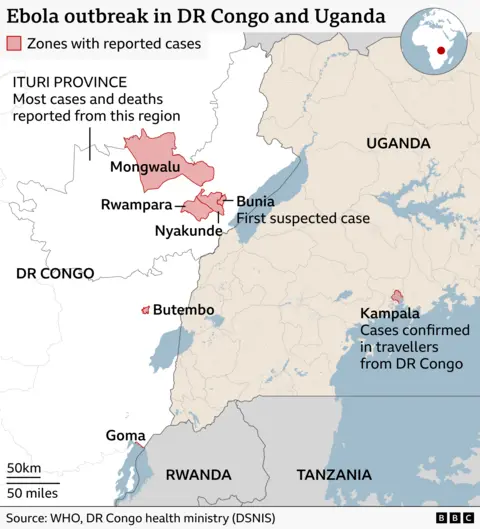
The motivation driving this research extends far beyond academic interest, rooted in the devastating impact that Ebola outbreaks have had on affected communities, particularly in regions of Central Africa where the Bundibugyo variant has been identified. Previous outbreaks of this strain have caused significant mortality, economic disruption, and widespread fear in vulnerable populations. The development of an effective vaccine solution could potentially prevent future epidemics and save countless lives in regions where healthcare infrastructure is often limited and disease surveillance systems require strengthening.
The research effort involves collaboration among leading British medical institutions, drawing on decades of accumulated knowledge about viral diseases and vaccine technology. The team's approach builds upon successful vaccination strategies developed for other Ebola variants, while incorporating innovative modifications tailored specifically to the Bundibugyo strain's unique characteristics. This synthesis of existing knowledge with novel scientific approaches represents the cutting edge of modern immunology and demonstrates how scientific collaboration can accelerate medical breakthroughs.
Understanding the biological mechanisms that make the Bundibugyo strain so deadly is central to the vaccine development process. The virus operates through mechanisms that allow it to evade certain aspects of the human immune system, which is why previous attempts at developing broad-spectrum Ebola vaccines have proven insufficient for this particular variant. UK researchers are employing advanced genetic sequencing and computational modeling to identify the specific viral components that trigger protective immune responses, enabling the design of a vaccine that directly targets these critical elements.
The implications of successfully developing this vaccine extend across multiple dimensions of global health security. Beyond the immediate benefit of protecting populations from Bundibugyo infections, such a breakthrough would establish a template for rapidly developing vaccines against emerging Ebola variants and other hemorrhagic fever viruses that pose similar threats. This scientific achievement would strengthen the world's capacity to respond to novel infectious disease challenges and represent a significant stride toward more comprehensive pandemic preparedness capabilities.
The research team is working within established regulatory frameworks that ensure the vaccine undergoes rigorous safety and efficacy testing before being made available for widespread use. These protocols, while necessary to protect public health, do not preclude the accelerated development timeline that is being pursued in this case. The scientific community has developed expedited pathways for evaluating vaccines targeting rare but devastating diseases, allowing for compressed timelines without compromising the thorough evaluation necessary to ensure safety and effectiveness.
Investment in this research reflects a broader commitment by the United Kingdom to position itself as a leader in infectious disease research and vaccine development. The nation has historically played a prominent role in advancing medical science, and this initiative continues that tradition while addressing contemporary global health challenges. Government funding and support for such projects demonstrate the recognition that addressing rare and lethal diseases requires sustained scientific investment and institutional commitment.
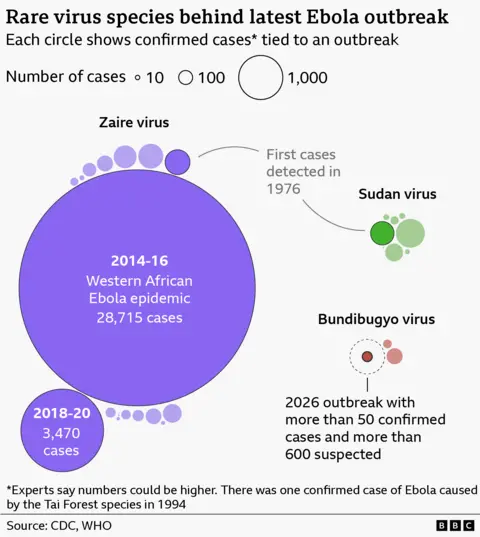
The potential availability of a Bundibugyo-specific vaccine within months would represent a remarkable achievement in medical science and a testament to the power of focused research efforts. If successful, this development could fundamentally change the landscape of Ebola prevention and treatment options available to healthcare systems in affected regions. The work undertaken by UK scientists offers hope to populations at risk and demonstrates the ongoing capacity of the scientific community to develop life-saving medical interventions in response to emerging health threats.
As the research progresses toward clinical evaluation phases, the importance of international cooperation and knowledge sharing becomes increasingly apparent. The Ebola vaccine development initiative exemplifies how national scientific efforts can contribute to global health security and how breakthrough achievements in one country's laboratories can benefit humanity as a whole. The coming months will be critical in determining whether this ambitious timeline can be met, with implications extending far beyond the laboratory walls to impact real-world health outcomes for vulnerable populations worldwide.
Source: BBC News


