
West Coast Marine Heatwave Sparks Scientific Concern

Scientists warn of alarming marine heatwave off US west coast, intensifying ecological impacts as El Niño compounds ocean temperature surge.
An unprecedented marine heatwave spreading across the Pacific Ocean off the United States west coast has triggered mounting concern among leading oceanographers and atmospheric scientists worldwide. The phenomenon, characterized by a massive surge in water temperatures, continues to demonstrate increasingly severe ecological and environmental consequences as researchers monitor its progression and potential long-term implications for marine ecosystems.
The unusual warm water mass, which reached its maximum extent in September 2025, has maintained its presence for an extended period and continues to stretch thousands of miles from the California coastline toward the central Pacific Ocean—extending more than halfway across the Pacific basin. This colossal ocean temperature anomaly affects a distinctive triangular region encompassing critical oceanic habitats spanning from Hawaii in the south, extending northward to British Columbia, and stretching southward along the Mexican coastline.
Scientists emphasize that the convergence of this heat wave with the climatic patterns of El Niño presents an unprecedented combination of factors that could dramatically influence weather patterns and marine life throughout the remainder of the year. The synergistic effect of these two oceanic phenomena creates conditions that researchers have not extensively documented in modern meteorological records, prompting urgent investigation into potential consequences for coastal communities and marine populations.
Understanding the mechanics of this unprecedented event requires examining the atmospheric and oceanic conditions that contributed to its formation. The Pacific marine heatwave did not emerge suddenly but developed gradually through a combination of persistent atmospheric patterns, reduced cloud cover, and ocean circulation dynamics that concentrated warm water in this particular region.

The ecological ramifications of sustained elevated ocean temperatures continue to escalate as marine organisms experience stress from conditions outside their optimal thermal ranges. Kelp forests along the California coast are showing signs of temperature-induced decline, while fish populations are experiencing disrupted migration patterns and altered breeding cycles. Researchers have documented mass mortality events in certain invertebrate populations, indicating that the heatwave's intensity exceeds the thermal tolerance thresholds of numerous species adapted to cooler Pacific waters.
Marine scientists point to the El Niño effect as a critical amplifying factor in this scenario, as the climate pattern typically brings warmer-than-average conditions to the eastern Pacific. When superimposed with the existing regional heatwave, El Niño creates compounding temperature increases that push ocean conditions to extremes rarely observed during the modern satellite era. The combination suggests that summer 2025 could witness further intensification of these anomalous conditions, potentially triggering cascading ecological consequences throughout interconnected marine food webs.
Coastal fisheries face significant uncertainty regarding stock availability and abundance in the coming months as commercial and recreational fishing industries grapple with the unpredictable impacts of elevated ocean temperatures. Species distribution shifts driven by thermal stress could redirect traditional fishing grounds and alter the economic viability of established fisheries that support thousands of jobs throughout the Pacific Northwest and California regions.

The atmospheric implications of this oceanic heat anomaly warrant equally serious consideration from meteorological researchers. Warmer ocean surfaces provide enhanced energy for atmospheric circulation systems, potentially influencing jet stream behavior and storm formation patterns throughout the North American continent. Scientists are carefully monitoring whether this sustained heating could contribute to atmospheric instability that might manifest in unusual weather events during the summer months.
Research institutions along the west coast have mobilized their resources to conduct intensive monitoring of the heatwave's progression and ecological consequences. Autonomous ocean buoys, satellite observations, and ship-based research expeditions collect real-time data on temperature profiles, nutrient concentrations, and biological responses throughout the affected region. This coordinated scientific effort aims to document how marine ecosystems respond to extreme thermal stress and identify potential tipping points where irreversible ecosystem changes might occur.
The persistence of this remarkable temperature anomaly raises important questions about future climate trends and the vulnerability of Pacific marine ecosystems to continued warming. While scientists acknowledge that individual heatwave events cannot definitively be attributed to climate change, the increasing frequency and intensity of such events aligns with projections from climate models that predict more frequent marine extremes in response to anthropogenic warming.
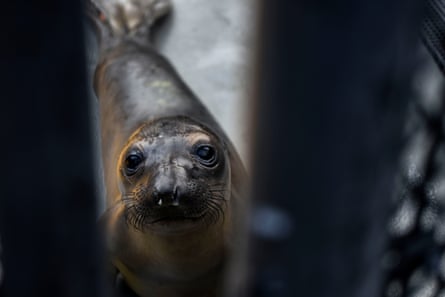
Coastal communities and marine resource managers must prepare for potential disruptions to established ecological and economic patterns as the west coast heatwave continues its course. State and federal agencies are developing contingency plans to address potential fishery closures, marine mammal strandings, and other ecosystem disruptions that typically accompany sustained temperature extremes. Public awareness campaigns emphasize the importance of monitoring beach conditions and respecting altered marine ecosystems during this period of ecological stress.
The interplay between this regional marine thermal event and the global El Niño pattern underscores the interconnected nature of Earth's climate systems. Changes occurring in distant ocean regions can rapidly propagate across continental and oceanic boundaries through atmospheric and oceanic teleconnections, affecting weather and climate conditions thousands of miles away. This heatwave exemplifies how local oceanic anomalies can acquire global significance when they align with broader climate patterns.
Looking ahead, scientists emphasize the critical importance of continuing robust monitoring and research efforts to better understand how marine ecosystems respond to extreme thermal stress. The data collected during this unprecedented heatwave episode will inform scientific understanding of ecosystem resilience, recovery dynamics, and the potential for lasting ecological reorganization. As concerns about future ocean warming intensify globally, the lessons learned from this Pacific coast heatwave may provide crucial insights into how marine life adapts—or fails to adapt—to rapidly changing environmental conditions.
Source: The Guardian


