
UK Signs European Asylum Deal Amid Rights Concerns

UK joins 45 European nations in third-country asylum hub agreement. Human rights groups condemn the Council of Europe declaration on border controls.
The United Kingdom has joined 45 other European nations in endorsing a significant political declaration that permits asylum seekers to be transferred to third-country processing hubs. This landmark agreement, signed by all 46 members of the Council of Europe, represents a major shift in how participating nations approach immigration policy and border management across the continent.
The Council of Europe, the overarching body responsible for upholding and interpreting the European Convention on Human Rights (ECHR), has issued a political declaration asserting that member states possess an "undeniable sovereign right" to control their borders and determine entry conditions. This statement effectively legitimizes proposals by multiple European governments to establish processing centers in nations outside the European Union and European Economic Area, where asylum applications could be evaluated before any potential entry into Europe.
The agreement represents a coordinated continental approach to addressing migration pressures, a topic that has dominated political discourse across Europe for several years. By establishing a unified position on third-country processing hubs, the signatories aim to create a standardized framework that allows nations to manage asylum applications more efficiently while maintaining strict border controls. The declaration underscores the commitment of these nations to preserve their immigration sovereignty in an era of complex transnational migration patterns.
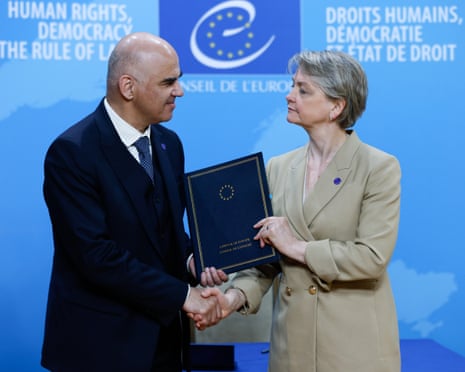
However, the declaration has faced immediate and fierce criticism from human rights organizations worldwide. International advocacy groups have expressed deep concerns that redirecting asylum seekers to third-country hubs may violate fundamental human rights principles enshrined in international law. These organizations argue that the agreement could expose vulnerable migrants to inadequate legal protections, insufficient due process, and potentially unsafe conditions in countries that may not maintain the same human rights standards as European nations.
Human rights advocates contend that the right to seek asylum, as established in the 1951 Refugee Convention, is a cornerstone of international humanitarian law. They worry that by processing asylum applications outside European territory, member states could circumvent their obligations under the ECHR and other international treaties that protect the rights of asylum seekers. The criticism extends to concerns about the conditions in potential third-country hub locations and whether these countries have adequate capacity and expertise to fairly assess complex asylum claims.
The political declaration signed by the Council of Europe members has not been universally welcomed even among some European leaders who share concerns about migration. Various civil society organizations, refugee advocacy groups, and legal experts have issued statements questioning both the legality and the ethics of the proposed approach. Some warn that the agreement could set a dangerous precedent, potentially encouraging other international bodies or nations to adopt similar measures that further distance processing mechanisms from established legal safeguards.
The UK's participation in this agreement comes at a time when British immigration policy has increasingly focused on deterrence and border security. The government has championed various measures to manage irregular migration, including partnerships with international organizations and neighboring countries. By signing onto this European declaration, the UK aligns itself with a broader continental commitment to controlling immigration flows, though the specific implementation mechanisms remain subject to individual national legislation and international treaty obligations.
The third-country hub concept is not entirely new. Several European nations have previously explored or implemented similar arrangements, though the extent and effectiveness of these programs have varied considerably. The political declaration from the Council of Europe essentially provides a unified endorsement and framework for expanding and formalizing such approaches across member states. This coordination could potentially lead to operational agreements between multiple nations and designated third-country partners.
Questions remain about which countries might serve as designated hubs and under what terms. The declaration itself does not specify partner nations or operational details, leaving these determinations to individual member states to negotiate bilaterally or through smaller regional arrangements. Potential hub countries would need to accept substantial responsibilities for receiving asylum seekers and conducting status determination interviews, raising complex questions about capacity, expertise, and compliance with international standards.
Legal experts have raised important questions about whether third-country processing arrangements can be structured consistently with the ECHR and other international human rights instruments. The European Court of Human Rights has previously ruled on cases involving asylum procedures and refugee treatment, establishing precedents that signatories must respect. The new political declaration may face legal challenges if member states attempt to implement it in ways that conflict with established human rights jurisprudence or international obligations.
The timing of this agreement reflects broader political pressures across Europe related to migration. Public concern about immigration has remained elevated in many European societies, and political parties across the spectrum have made border control and asylum management central campaign issues. By formally committing to the third-country hub approach, the 46 member states signal responsiveness to these political pressures while seeking to do so through a coordinated, multilateral framework rather than unilateral national measures.
The declaration also emphasizes states' responsibility to provide adequate resources and support for asylum processing, whether conducted domestically or in partnership with third countries. This commitment to resource allocation represents an acknowledgment that efficient, fair asylum systems require substantial investment in personnel, infrastructure, and training. Member states are expected to ensure that any third-country arrangements maintain professional standards for assessing claims and protecting vulnerable individuals.
Looking ahead, the practical implementation of this agreement will likely unfold gradually across the 46 member states, with variations reflecting different national circumstances and existing agreements. Some countries may move quickly to establish third-country partnerships, while others may proceed more cautiously, allowing legal frameworks to develop and international standards to be clarified. The Council of Europe's role in monitoring compliance and ensuring adherence to human rights standards will be crucial in determining how this political declaration translates into actual practice.
The declaration represents a significant moment in European migration policy, establishing political consensus among all Council of Europe members on a controversial approach that has long divided opinion within European governments and civil society. Whether this consensus can be successfully implemented while maintaining respect for human rights will be closely watched by international observers, legal experts, and advocacy organizations in the coming months and years.
Source: The Guardian


