
Uncovering the Secrets of Ancient Chinese Disasters: Typhoons, Oracle Bones, and Abandoned Settlements

Explore how climate changes thousands of kilometers away fueled devastating floods that shaped ancient Chinese civilization, as revealed by a groundbreaking study.
In a remarkable scientific discovery, researchers have uncovered how climate changes thousands of kilometers away fueled devastating floods that reshaped ancient Chinese civilization. By linking three seemingly unrelated lines of evidence - typhoon patterns, oracle bone inscriptions, and abandoned settlements - a team of scientists has pieced together a captivating tale of environmental upheaval that shook the cradle of Chinese history.
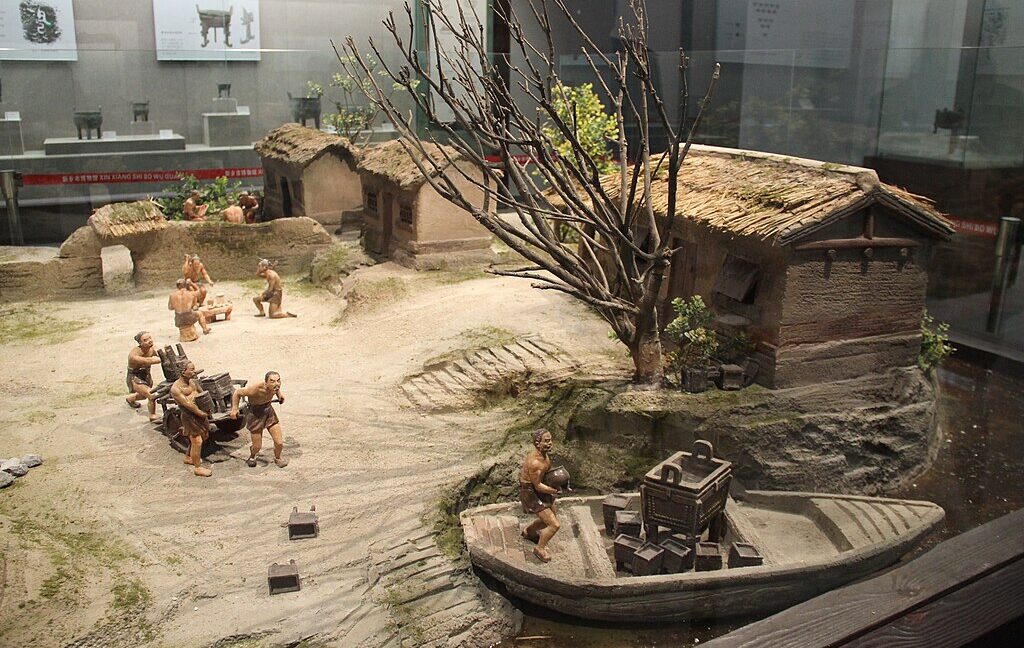
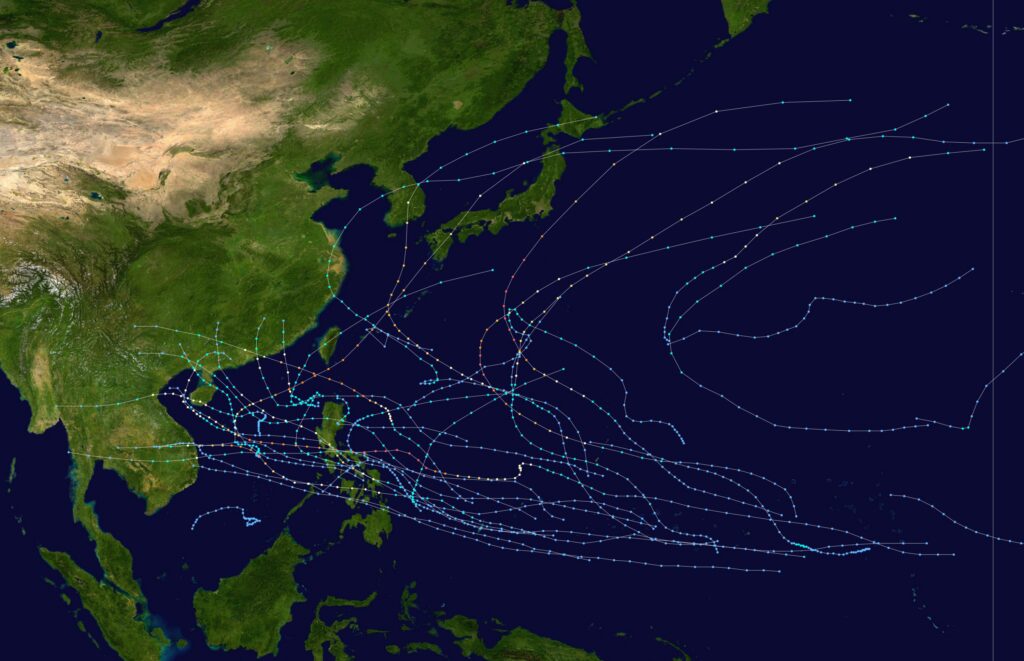
The story begins with the Shang Dynasty, a thriving civilization that flourished around 3,000 years ago in the Yellow River Valley. Little did they know that the massive floods sweeping through their heartland were the product of typhoons battering the southern Chinese coast hundreds of kilometers away. Driven by a sudden shift in temperature cycles over the Pacific Ocean, these typhoons grew in intensity, unleashing destruction upon the Shang people.

Meanwhile, on the Chengdu Plain in southwestern China, the Shanxingdui culture was also flourishing, building a walled capital city and sculpting large bronze heads. But their story, too, was intertwined with the climatic shifts unfolding thousands of kilometers away.
By analyzing a wealth of data, including oracle bone inscriptions and the archaeological records of abandoned settlements, the researchers pieced together a remarkable narrative. Nanjing University meteorologist Ke Ding and his colleagues have revealed how these ancient civilizations were shaped by the very same environmental forces that continue to impact our world today.
The findings serve as a handwritten warning from the Shang Dynasty, a testament to the profound ways in which climate change can reshape the course of human history. As we grapple with the challenges of modern-day environmental upheaval, this study offers a poignant reminder that the lessons of the past can guide us towards a more resilient future.
Source: Ars Technica


