
Urgent Oil Release: IEA Mobilizes Largest Ever Stockpile to Curb Price Volatility

The International Energy Agency plans to call for the release of 400m barrels of emergency crude oil to stabilize markets amid supply disruptions from the Iran war.
In a bold move to address the ongoing oil price crisis, the International Energy Agency (IEA) is poised to call for the largest release of government oil reserves in its history. This unprecedented action is a direct response to the supply shortages and market volatility caused by the escalating conflict between the United States, Israel, and Iran.
Unprecedented Emergency Response
The world's leading energy watchdog is expected to urge its 32 member countries to release approximately 400 million barrels of emergency crude oil. This staggering volume represents a third of the group's total government stockpiles and more than doubles the IEA's previous largest release, a clear indication of the severity of the current situation.
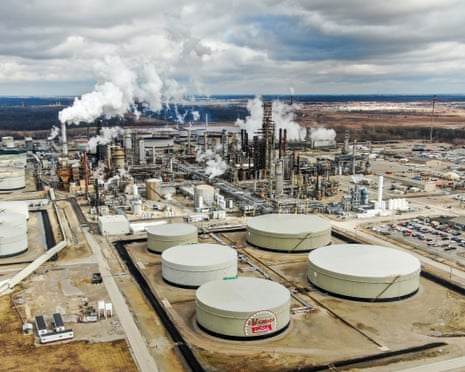
The decision to tap into strategic reserves on such a massive scale underscores the IEA's determination to calm the global oil markets and provide relief to consumers and businesses grappling with skyrocketing fuel prices. This move is unprecedented in the agency's history and reflects the urgency of the crisis at hand.
Stabilizing Global Supply
The proposed release of 400 million barrels is aimed at offsetting the disruptions in global oil supply caused by the ongoing hostilities involving Iran. The conflict has resulted in significant production cuts and logistical challenges, leading to a tightening of the market and a surge in crude oil prices.
By tapping into strategic reserves, the IEA hopes to increase the availability of crude oil and stabilize prices, providing much-needed relief to economies worldwide. This coordinated effort among the IEA's member states is a critical step in mitigating the impact of the geopolitical tensions on the global energy landscape.
Anticipating Prolonged Disruptions
The decision to release such a substantial volume of strategic reserves suggests that the IEA anticipates the supply disruptions caused by the Iran war to persist for an extended period. This proactive approach aims to ensure that the global energy market remains adequately supplied and that the economic consequences of the crisis are minimized.
As the world grapples with the fallout from the escalating conflict, the IEA's decisive action to unlock its strategic reserves underscores the gravity of the situation and the agency's commitment to maintaining global energy security. This unprecedented move sets the stage for a coordinated international response to the oil price crisis, with far-reaching implications for the global economy.


