
US and Iran Near Historic Temporary Truce Deal

Pakistani officials reveal US and Iran are close to a temporary ceasefire agreement. Diplomatic negotiations intensify as both nations work toward maintaining Middle East peace.
A significant diplomatic breakthrough appears to be materializing in the ongoing Middle East conflict, as US and Iran negotiations have reportedly reached a critical juncture. Pakistani government officials announced on Thursday that the two nations are edging closer to establishing a temporary agreement aimed at halting the escalating war, with Middle East peace talks gaining substantial momentum following a precarious moment earlier in the week when the existing ceasefire nearly collapsed entirely.
According to statements from officials based in Islamabad, the framework for a very basic "interim" deal between Washington and Tehran could potentially materialize as early as this weekend. The Pakistani intermediaries indicated that the Iranian government is actively reviewing a comprehensive US proposal designed to establish foundational terms for the temporary ceasefire arrangement. This development marks a notable shift in diplomatic relations, particularly given the tensions that have characterized interactions between the two nations in recent years.
The proposed temporary truce agreement would serve multiple strategic purposes beyond simply pausing military operations. If successfully implemented, the deal would establish mechanisms to maintain stability in the region while simultaneously ensuring that critical shipping lanes remain open for international commerce. This dual focus on military de-escalation and economic continuity reflects the complex interdependencies that characterize modern Middle East geopolitics.

The current round of US Iran peace talks has been characterized by intensive behind-the-scenes negotiations, with Pakistani officials serving as key diplomatic intermediaries between the two parties. This intermediary role has proven invaluable, given Pakistan's historical relationships with both the United States and Iran, positioning it as a relatively neutral ground for shuttle diplomacy. The involvement of Pakistani officials underscores the broader regional implications of any potential agreement and the significance that neighboring countries place on achieving a resolution.
The near-breakdown of the ceasefire earlier this week had raised concerns among international observers and regional stakeholders about the fragility of existing arrangements. However, the resumed momentum in Middle East ceasefire negotiations has reinstilled optimism that both parties remain committed to exploring diplomatic solutions rather than allowing conflict to escalate further. The timing of this renewed diplomatic push suggests that both Washington and Tehran may be experiencing domestic or international pressures that make a negotiated settlement more attractive than continued confrontation.
Senior officials involved in the process have emphasized that while an "interim" agreement represents a significant step forward, it is explicitly designed as a temporary measure rather than a comprehensive settlement. This interim framework would create space for more detailed and substantive negotiations to proceed while maintaining the current cessation of hostilities. The approach reflects a pragmatic understanding that resolving deeply entrenched conflicts typically requires a phased approach rather than attempting to solve all outstanding disputes simultaneously.

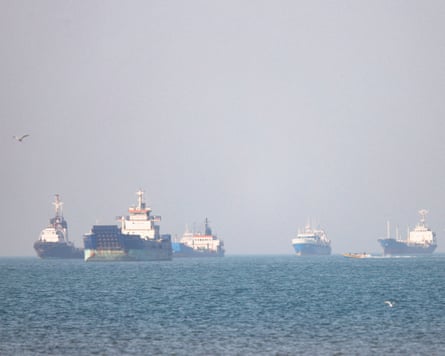
One of the critical components of the proposed interim peace agreement involves guarantees regarding commercial shipping through strategic waterways in the region. The Middle East, particularly the Strait of Hormuz, represents one of the world's most critical chokepoints for global energy supplies and international commerce. Any agreement must therefore address not only military concerns but also the legitimate interests of the international community in maintaining unobstructed trade flow through these essential passages.
The diplomatic activity surrounding these negotiations involves multiple stakeholder groups, including representatives from various international organizations, neighboring regional powers, and interested parties beyond the immediate region. The complexity of coordinating positions among all these actors underscores why diplomatic progress has proven slow and frequently interrupted by setbacks. Nevertheless, the fact that active negotiations continue at such high levels suggests a genuine commitment to finding workable solutions.
Pakistani officials have indicated that several specific provisions are being actively discussed and refined as part of the proposed agreement framework. These include mechanisms for verifying compliance with ceasefire terms, procedures for addressing any potential violations, and protocols for continued diplomatic communication. The inclusion of these implementation details suggests that negotiators have moved beyond preliminary discussions of general principles and are now addressing the practical mechanics of how any agreement would actually function.
The timeline suggested by Pakistani sources—potentially reaching agreement as early as this weekend—would represent a remarkably rapid development given the complexity of the outstanding issues. However, diplomats have cautioned against placing excessive confidence in specific deadlines, noting that international negotiations frequently experience delays and last-minute complications. Nonetheless, the fact that officials are discussing weekend deadlines indicates that serious momentum has been achieved in recent days.
If successfully concluded, a temporary agreement between the United States and Iran would have far-reaching implications extending well beyond the immediate participants. Such an accord would likely influence regional power balances, impact various proxy conflicts throughout the Middle East, and potentially affect international oil markets and global economic stability. The ripple effects of any significant shift in US-Iran relations would be felt across multiple continents and sectors.
The broader context for these negotiations includes years of tension, multiple crises, and complex historical grievances between the two nations. The fact that officials are now actively discussing interim agreements rather than merely engaging in inflammatory rhetoric represents a notable change in tone and approach. This shift suggests that both parties may have concluded that continued escalation serves neither their interests nor those of the broader international community.
International observers and policy experts have emphasized the importance of managing expectations regarding what an interim agreement might realistically achieve. Such arrangements typically aim to establish foundational stability rather than resolve fundamental disagreements that have accumulated over decades. The success of temporary measures should ultimately be measured by their ability to create sufficient stability for more comprehensive negotiations to proceed constructively.
As developments continue to unfold in the coming days, the international community will be watching closely to see whether the optimism expressed by Pakistani officials translates into concrete diplomatic progress. The stakes involved in these negotiations—encompassing regional stability, global commerce, and broader geopolitical interests—make the outcome of these talks matters of significant consequence. Whether this potential breakthrough ultimately succeeds or faces further complications will depend on the ability of negotiators to bridge remaining differences and maintain the diplomatic momentum that has been recently established.
Source: The Guardian


