
US Halts Crash Database Access Over AI Voice Reconstruction

NTSB suspends public accident database after internet users use AI to recreate dead pilots' voices from crash investigations, violating federal law.
In a striking development that underscores the growing intersection of artificial intelligence and privacy concerns, the US National Transportation Safety Board has taken the dramatic step of suspending all public access to its comprehensive database of civil transportation accidents. This unprecedented action was triggered by the emergence of AI voice reconstruction techniques that have enabled internet users to recreate audio from cockpit voice recorders—a practice that directly violates federal regulations protecting sensitive crash investigation materials.
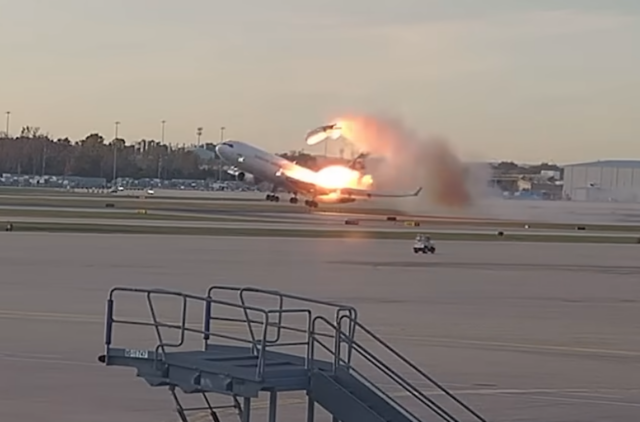
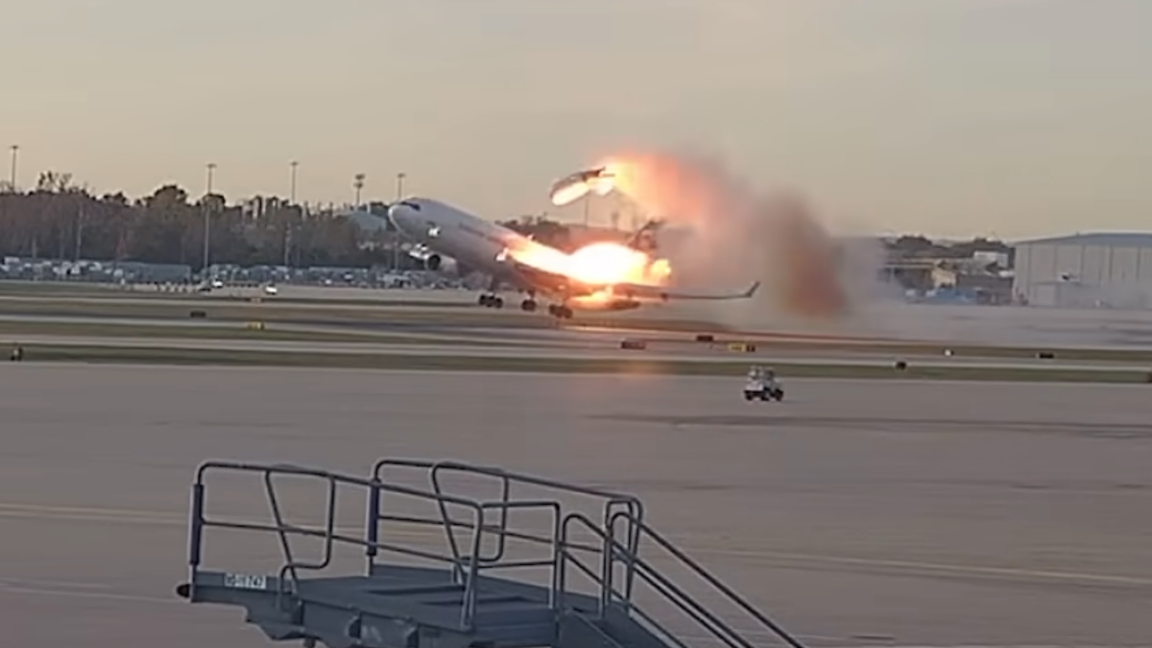
The incident centers around the tragic UPS cargo plane crash that occurred in Louisville, Kentucky, which resulted in the loss of the aircraft and crew. Internet researchers, leveraging sophisticated artificial intelligence tools and audio processing software, successfully reconstructed approximations of the final moments of communication between the pilots. These recreated audio files were subsequently shared across internet platforms, prompting immediate federal intervention and raising serious questions about the safeguarding of sensitive transportation data in an era of rapidly advancing technology.
The NTSB's database suspension, announced on May 21st, represents a defensive measure to prevent further unauthorized reconstruction of cockpit voice recorder content. The agency emphasized that it does not release actual cockpit audio recordings to the public, yet the methodology employed by these internet sleuths demonstrated a loophole in their security approach. By analyzing sound spectrum imagery—visual representations of audio data—that had been released as part of routine investigation documentation, these individuals were able to reverse-engineer approximations of what was actually said in the cockpit during the final moments before impact.
Federal law explicitly prohibits investigators from publicly releasing cockpit voice recorder audio, a restriction designed to protect the privacy of those involved in aviation disasters and to prevent the sensationalization of tragic final moments. The regulation recognizes that such recordings contain deeply personal communications—final words spoken by pilots and crew members who perished in the crash. The federal regulation exists not merely as bureaucratic procedure but as a fundamental protection for the dignity of the deceased and their families, who should not have their loved ones' final moments broadcast across the internet or commodified for entertainment or curiosity.
The NTSB typically operates with transparency as a core principle, regularly sharing factual reports, investigative findings, and supporting evidence from its examinations of aircraft crashes and other civil transportation incidents. This openness has been essential for the aviation industry's safety improvements over decades, allowing engineers, pilots, and manufacturers to learn from accidents and implement preventative measures. However, this commitment to transparency has inadvertently created vulnerabilities in the modern age of sophisticated computational methods and readily available AI technology. The agency faces a challenging balancing act between maintaining public trust through information sharing and preventing misuse of that information through unintended technical pathways.
In their official statement addressing the voice reconstruction issue, the NTSB acknowledged the technical capabilities that made this situation possible: "The NTSB is aware that advances in image recognition and computational methods have enabled individuals to reconstruct approximations of cockpit voice recorder audio from sound spectrum imagery released as part of NTSB investigations, including the ongoing investigation of the crash last year of UPS flight 2976 in Louisville, Kentucky." This candid acknowledgment demonstrates the agency's recognition that technological advancement has outpaced existing safeguards, requiring urgent reassessment of what materials can be safely released to the public.
The temporary unavailability of the NTSB's online docket system affects researchers, aviation professionals, engineers, and members of the public who rely on this database for legitimate purposes. The agency is currently reviewing all publicly available materials to determine which items might enable further reconstruction attempts. This review process is likely to be comprehensive and time-consuming, as investigators must evaluate thousands of documents, images, and data visualizations across numerous past investigations to identify potential security risks. The suspension, while necessary from a protective standpoint, represents a significant disruption to the normal functioning of transportation safety investigation in America.
The broader implications of this incident extend far beyond a single transportation agency's data management challenges. The successful recreation of pilot communications demonstrates the rapidly expanding capabilities of modern artificial intelligence technology and computational analysis. What was once thought to be impossible—recovering intelligible speech from visual representations of audio—has now been accomplished by motivated individuals using commercially available software. This raises uncomfortable questions about what other protected information might be vulnerable to similar creative misuse, and what other federal databases or restricted materials could potentially be compromised through similar technical workarounds.
The incident also highlights the tension between different values in modern society: the desire for transparency and public access to government information, the protection of individual privacy, the dignity of the deceased, the needs of the aviation industry to improve safety, and the reality that technological capabilities continue to advance faster than regulatory frameworks can accommodate. The NTSB must now develop new protocols for information release that account for these emerging AI reconstruction techniques. This may involve more careful redaction of sensitive materials, different formats for releasing data that cannot be easily reverse-engineered, or perhaps more restrictive access policies for certain categories of investigation materials.
As the NTSB conducts its review of publicly available materials, the agency faces pressure to restore access to its database while simultaneously implementing enhanced security measures. The restoration timeline remains uncertain, but the urgency is clear given the importance of this resource to aviation safety professionals. The incident serves as a cautionary tale about the unintended consequences of operating in a technological landscape where sophisticated AI tools are widely available, and creative individuals can leverage these tools in ways that violate federal regulations and ethical boundaries. Moving forward, the NTSB and other government agencies will need to fundamentally reconsider how they balance public transparency with protecting sensitive materials in an age of advanced computational analysis.
Source: Ars Technica


