
US-Iran Blockade Tensions Escalate

The Strait of Hormuz remains volatile as US-Iran relations deteriorate. Despite Trump's ceasefire extension, Pakistan mediates diplomatic talks.
The geopolitical landscape surrounding the Strait of Hormuz continues to simmer with considerable tension, even as diplomatic efforts attempt to prevent further escalation. The strategic waterway, through which nearly one-third of the world's seaborne traded oil transits, has become the epicenter of a complex standoff between the United States and Iran. Despite recent ceasefire extension announcements from the Trump administration, regional analysts warn that the underlying conditions remain precarious and volatile.
The situation reflects deeper structural tensions between Washington and Tehran that have accumulated over decades of hostile relations. Multiple military incidents, economic sanctions, and reciprocal show-of-force operations have created an environment where miscalculation could trigger broader regional conflict. Intelligence reports suggest both nations have significantly increased naval presence in the region, with military vessels operating in closer proximity than in recent years, raising concerns about inadvertent confrontation.
Pakistan has emerged as an unexpected diplomatic intermediary in these high-stakes negotiations. The South Asian nation, which maintains relationships with both the United States through NATO partnerships and with Iran through cultural and economic ties, has positioned itself as a potential bridge-builder. Pakistani officials have proposed a series of diplomatic talks aimed at establishing communication channels and reducing the likelihood of direct military confrontation in the contested waters.
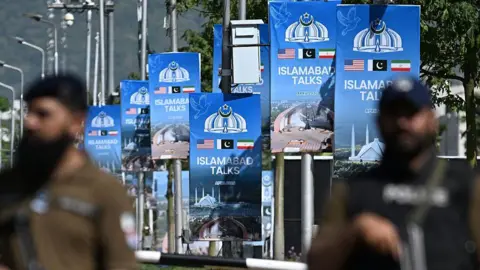
Economic implications of the Strait of Hormuz blockade standoff extend far beyond the Middle East. Global energy markets remain sensitive to any disruption in oil supply lines, with crude prices fluctuating in response to each reported naval maneuver or diplomatic statement. European and Asian economies, heavily dependent on Middle Eastern oil imports, have expressed concern about the instability and its potential impact on energy security and inflation.
The Trump administration's ceasefire extension was intended to signal a willingness to reduce tensions while maintaining maximum pressure through economic sanctions. However, Iranian leadership has characterized the move as insufficient, demanding concrete concessions including the lifting of sanctions regimes that have crippled their economy. This fundamental disagreement over the terms and conditions for genuine peace negotiations continues to obstruct progress toward lasting resolution.
Military analysts point to several flashpoints that could quickly destabilize the current fragile equilibrium. Commercial shipping vessels operating through the Strait have reported unusual surveillance activities and have been advised to maintain heightened vigilance. Several incidents involving naval encounters between US and Iranian forces over the past months have set precedents for rapid escalation, making every interaction between military assets a potential trigger point.
Pakistan's diplomatic initiative has gained unexpected support from regional partners including Oman and the United Arab Emirates, both of which benefit economically from regional stability. These nations have quietly encouraged back-channel negotiations and have made diplomatic infrastructure available for candid discussions between American and Iranian representatives. The involvement of multiple regional mediators reflects the consensus view that direct negotiations have reached an impasse.
The humanitarian dimension of this standoff deserves greater attention, as economic sanctions and military tensions have contributed to widespread suffering among ordinary Iranians. Healthcare systems lack critical medications, educational institutions struggle with limited resources, and inflation has eroded the purchasing power of average families. These conditions have created internal political pressures on the Iranian government to find negotiated solutions, even as nationalist sentiment complicates decision-making.
International law experts have noted that several incidents in the Strait appear to violate established maritime protocols and conventions. Both nations have accused each other of unsafe maneuvers, though independent verification of these claims remains difficult. The International Maritime Organization has urged all parties to exercise restraint and adhere to international maritime safety standards to prevent tragedy.
The Trump administration's approach combines maximum pressure tactics with selective diplomatic opening, a strategy that critics argue sends mixed signals to Tehran. While some administration officials advocate for direct engagement, others within the security establishment maintain that any negotiation would constitute weakness. This internal policy debate has resulted in inconsistent messaging that complicates Iranian decision-makers' ability to assess American intentions.
China and Russia have monitoring interests in the Strait's security situation, as both nations rely heavily on Middle Eastern oil supplies. International observers suggest that Beijing and Moscow may be positioning themselves to capitalize on any power vacuum or instability that emerges from prolonged US-Iran tensions. Their involvement in regional diplomatic and economic initiatives has expanded notably in recent months.
Pakistan's role as mediator reflects its unique geopolitical position and its stakes in regional stability. As a nuclear-armed nation neighboring Iran and maintaining complex relationships with the United States, Pakistan has strong incentives to prevent escalation. Pakistani officials have emphasized their commitment to facilitating dialogue while respecting the sovereignty and legitimate security interests of all parties involved in the negotiations.
The psychological dimension of the current standoff cannot be overlooked. Years of rhetorical escalation, religious nationalism, and military buildups have created deep distrust between leadership figures in Washington and Tehran. Rebuilding confidence sufficient for meaningful negotiations will require substantial time and potentially the involvement of trusted international figures with credibility in both capitals. This confidence-building process faces significant obstacles given the legacy of broken agreements and violated accords.
Looking ahead, observers expect continued volatility in the coming months as various diplomatic channels explore possible pathways toward de-escalation. The Strait of Hormuz blockade standoff represents one of the most dangerous flashpoints in international relations, with potential consequences extending far beyond the Middle East region. Pakistan's mediation efforts, while facing considerable skepticism from some quarters, represent a serious attempt to prevent catastrophic miscalculation and protect global security interests.
Source: BBC News


