
US Military Drawdown: 5,000 Troops Leaving Germany

The United States plans to reduce its military presence in Germany by 5,000 troops amid diplomatic tensions between Washington and Berlin over Iran policy.
The United States has announced a significant reduction in its military footprint across Germany, with plans to withdraw approximately 5,000 troops from the European nation. This substantial troop reduction in Germany marks a notable shift in the longstanding defense partnership between the two NATO allies and reflects mounting tensions that have emerged between Washington and Berlin's leadership.
The decision to scale back the US military deployment comes at a time when relations between the American administration and German political leadership have grown strained. At the center of this diplomatic friction lies a fundamental disagreement over how to approach Iran policy and broader Middle Eastern strategy. The divergence in perspective between these historic allies highlights the increasingly complex nature of transatlantic relations and the challenges that arise when key partners view critical security issues through different lenses.
German political figures have criticized what they view as ineffective American diplomatic efforts, particularly regarding negotiations with Iran. One prominent German leader offered a pointed assessment of recent American diplomatic engagements, stating: "The Iranians are obviously very skilled at negotiating, or rather, very skilful at not negotiating, letting the Americans travel to Islamabad and then leave again without any result." This sharp commentary underscores the frustration some German officials feel about the perceived lack of progress in American efforts to manage regional tensions through dialogue.
The US-Germany military relationship has been a cornerstone of NATO's defense architecture since the Cold War era. For decades, Germany has hosted one of the largest concentrations of American military personnel outside of the United States itself. The planned withdrawal represents a significant realignment of this strategic arrangement and raises questions about the future structure of American military presence in Europe during a period of renewed geopolitical uncertainty.
The Trump administration's approach to international alliances has often emphasized burden-sharing and questioned the cost-benefit analysis of maintaining large military deployments abroad. The decision to reduce troops in Germany aligns with this broader philosophy of reassessing America's global military commitments. However, the specific timing of this announcement, coinciding with tensions over Iran diplomacy and other policy disagreements, suggests that the withdrawal decision carries deeper diplomatic implications beyond routine military restructuring.
Berlin's perspective on Iran engagement has historically differed from Washington's approach. Germany, as a signatory to the Joint Comprehensive Plan of Action (JCPOA) alongside other European powers, has maintained a commitment to preserving diplomatic channels with Tehran even as American administrations have pursued more confrontational stances. These fundamental differences in strategic outlook have created friction within the alliance, with German leaders expressing concern about the effectiveness of American diplomatic initiatives in the Middle East.
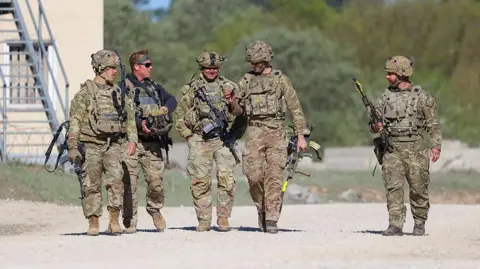
The withdrawal of 5,000 troops from Germany would reduce the overall American military presence in the country but would not eliminate it entirely. The United States maintains multiple significant military installations across Germany, including major bases that serve as crucial logistical hubs for American operations across Europe and the Middle East. Even with this substantial reduction, Germany would continue to host a considerable American military presence and remain a vital partner in NATO's infrastructure.
This announcement carries significant implications for NATO strategy and European security architecture. Germany's position as the largest economy in Europe and a key player in the European Union means that any deterioration in the US-German relationship has ripple effects across the entire alliance. The reduction in American military presence could be viewed by adversaries as a sign of weakening commitment to European security, even if the actual strategic impact is relatively modest given the remaining deployments.
The broader context of US-European relations has been marked by disagreements on multiple fronts, including trade policy, defense spending, and regional security challenges. The Trump administration has repeatedly criticized what it views as insufficient German defense spending and has questioned the value of maintaining large American military commitments to Europe. These tensions have accumulated over time, creating a backdrop of friction that influences decisions such as the troop reduction announcement.
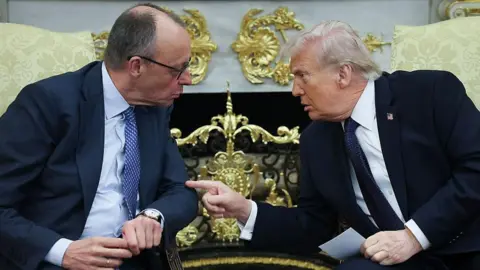
German Chancellor Friedrich Merz has been particularly vocal in recent diplomacy, engaging directly with American leadership over various policy matters. The tensions between Trump and Merz represent a clash of perspectives on how to navigate complex international challenges, particularly regarding Iran and Middle Eastern stability. Merz's criticism of American diplomatic efforts reflects a German belief that sustained engagement and dialogue, even when difficult, offers better prospects for regional stability than more aggressive postures.
The reduction in military personnel would affect various American installations across Germany and could have economic and employment implications for German communities that have long benefited from American military presence. Many German towns and regions near major American bases depend significantly on spending by American military personnel and their families, making any substantial withdrawal a matter of local concern beyond the purely strategic considerations.
Looking forward, this decision may set a precedent for how the American administration views its other European military commitments. If the withdrawal from Germany proceeds as announced, observers will likely scrutinize whether similar reductions might occur at American military facilities in other European countries. The cumulative effect of multiple troop withdrawals could meaningfully alter the balance of American military presence across the continent.
The dispute over US foreign policy toward Iran and the broader Middle East remains unresolved, with both sides maintaining their distinct positions on the most effective approach. Germany continues to advocate for diplomacy and multilateral engagement, while the American administration under Trump has pursued a more unilateral and confrontational strategy. These divergent approaches will likely continue to create tensions in the relationship, potentially affecting military cooperation and strategic coordination on other matters.
The announcement of the troop reduction also reflects broader questions about the future of American military engagement globally. As the United States faces budget constraints and shifting strategic priorities, decisions about which military commitments to maintain and which to scale back have become increasingly consequential. Germany's experience may preview difficult choices ahead for American policymakers regarding the global distribution of military resources and the proper scope of American military presence worldwide.
Source: BBC News


