
US Revokes Visas for Costa Rica Newspaper Board

The US State Department cancels tourist visas for La Nación board members after the newspaper criticized Costa Rica's Trump-aligned president Rodrigo Chaves.
In a significant diplomatic development, the US State Department has made the controversial decision to revoke tourist visas for more than half of the board members serving at La Nación, Costa Rica's most influential national newspaper. This action comes amid mounting tensions between the American government and the publication, which has emerged as a vocal critic of Costa Rica's president, Rodrigo Chaves, a political figure who maintains close ties with former US President Donald Trump and his political movement.
The visa cancellations represent an unprecedented move that raises serious questions about press freedom and diplomatic relations in the Western Hemisphere. La Nación has long served as one of Central America's most respected journalistic institutions, maintaining editorial independence and investigative rigor for decades. The targeted removal of access for board members suggests a coordinated effort to pressure the newspaper and its leadership, sparking concerns among press freedom advocates and international journalism organizations about the implications for democratic institutions in the region.
The roots of this conflict trace back to Costa Rica's 2022 presidential election, a pivotal moment when La Nación played a crucial role in investigative journalism. During Chaves's campaign for the presidency, the newspaper published a series of detailed articles documenting serious allegations of sexual harassment against the candidate. These allegations had previously led to Chaves's departure from his position at the World Bank, one of the world's most prominent international financial institutions. The reporting was meticulously documented and drew from credible sources, establishing a clear factual record of the accusations.
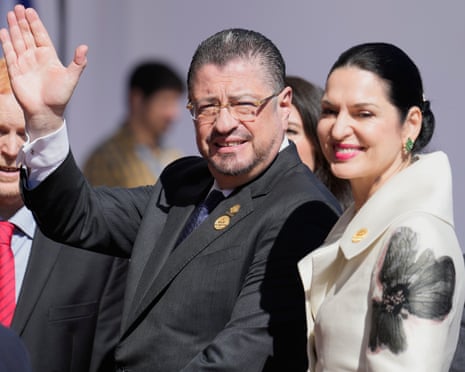
Beyond the sexual harassment allegations, La Nación also conducted thorough investigations into campaign financing irregularities surrounding Chaves's presidential bid. The newspaper reported extensively on what appeared to be violations of Costa Rica's campaign finance laws, bringing transparency to issues that might otherwise have remained hidden from voters. While Chaves consistently denied these allegations throughout his campaign and subsequent presidency, the reporting prompted important public debate about financial accountability in political campaigns and the proper conduct of those seeking high office.
The significance of these investigations cannot be overstated, as they represented exactly the kind of independent journalism that democratic societies depend upon to function properly. By holding powerful political figures accountable and presenting documented evidence to the public, La Nación fulfilled its fundamental role in the democratic process. The newspaper's willingness to report on uncomfortable truths about a major presidential candidate demonstrated editorial courage and commitment to serving the public interest over political convenience.
Despite the newspaper's factual reporting and journalistic legitimacy, Chaves went on to win the 2022 presidential election and assume office as Costa Rica's leader. Since taking power, he has maintained strong political and diplomatic ties with Trump and Trump-aligned figures in the US government. These connections appear to have influenced current US policy decisions, including the controversial visa cancellations now affecting La Nación's board members. The situation raises troubling questions about whether political retaliation is being disguised as routine visa administration.
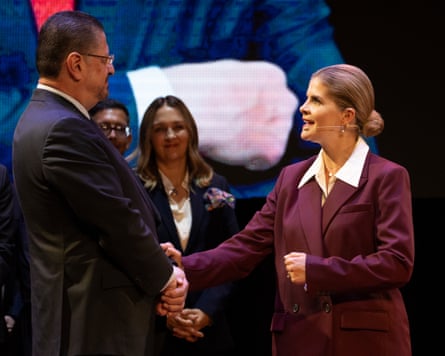
The timing and nature of the visa cancellations suggest a coordinated effort to pressure the newspaper and discourage future critical reporting. By targeting board members specifically—individuals responsible for editorial oversight and strategic direction—the action appears designed to create financial and personal hardship for decision-makers at the publication. This tactic represents a form of indirect censorship that operates through diplomatic channels rather than direct legal action, making it particularly insidious and difficult to challenge through normal legal remedies.
International observers have noted that such actions undermine the foundational principles of freedom of the press and independent journalism. When governments use visa denial as a tool to punish critical reporting, it sends a chilling message to other news organizations and journalists considering whether to pursue potentially controversial stories. The precedent being set here could have far-reaching consequences throughout Latin America and beyond, where press freedom is already under pressure from various political actors.
The relationship between the Trump administration and Costa Rica's government appears to be a key factor in these developments. Chaves has positioned himself as a reliable ally of Trump's political agenda and has received favorable treatment from US officials. In return, it appears that critical voices questioning Chaves's fitness for office or his political conduct have become targets for diplomatic pressure. This arrangement suggests a troubling alignment of interests where journalistic accountability takes a back seat to political alliance-building.
Media freedom organizations and human rights groups have begun responding to the visa cancellations with statements of concern. These organizations understand that attacks on journalists and news organizations, whether direct or indirect, pose threats to democratic governance and public access to information. The cancellation of tourist visas, while perhaps less dramatic than outright imprisonment or physical intimidation, nonetheless constitutes harassment of individuals specifically targeted for their professional roles at a critical news organization.
The situation at La Nación exemplifies broader challenges facing journalism throughout the Western Hemisphere, where political polarization and the rise of populist leadership have sometimes led to increased pressure on traditional media institutions. Many governments have attempted to undermine the credibility of established newspapers while promoting alternative information sources aligned with their political interests. The Costa Rican case represents a particularly brazen example of this trend, using US diplomatic resources to advance what appears to be a personal vendetta against inconvenient journalists.
As this situation continues to develop, it will likely become a test case for how the international community responds to attempts to suppress press freedom through diplomatic and administrative mechanisms. The outcome could significantly influence whether other governments and political leaders feel emboldened to pursue similar tactics against their domestic critics. For La Nación and Costa Rica's broader democratic institutions, the challenge ahead involves maintaining editorial independence and continuing necessary investigative work while navigating these unprecedented diplomatic pressures and obstacles designed to discourage such efforts.


