
Who is Nicole Saphier? Trump's Surgeon General Pick

Meet Nicole Saphier, Trump's third nominee for US surgeon general. A radiologist and Fox News contributor with controversial vaccine views.
President Trump has announced his third selection for the position of US surgeon general, tapping Dr. Nicole Saphier, a board-certified radiologist and prominent medical contributor for Fox News. Political analysts and healthcare experts have suggested that Saphier appears positioned to successfully navigate the Senate confirmation process, with some calling her "almost a lock" to secure the position despite her unconventional views on several public health matters.
According to those familiar with Senate dynamics, Saphier possesses qualities that could facilitate her path through confirmation hearings. Political observers note that she functions as an "effective communicator" capable of presenting complex medical and public health concepts to general audiences. Additionally, experts suggest her background and public persona align sufficiently with mainstream medical establishment expectations to avoid the kind of fierce resistance that derailed Trump's previous two nominations for the role.
However, Saphier's track record reveals significant departures from conventional public health orthodoxy. Throughout her career, she has vocalized skepticism regarding the necessity and safety of routine childhood vaccination schedules. Her questioning of established immunization protocols represents a substantial point of contention within the medical community and among public health officials who view universal vaccination as fundamental to disease prevention.

Beyond vaccine concerns, Saphier has positioned herself as a leading advocate within the "Make America healthy again" movement, a growing political and health-focused initiative that emphasizes alternative approaches to wellness and challenges some aspects of modern pharmaceutical-centered medicine. This movement, which has gained considerable traction among certain segments of the American population, focuses on promoting lifestyle interventions and natural health approaches as primary mechanisms for disease prevention and treatment.
Her professional background as a radiologist provides her with legitimate medical credentials and specialized expertise in diagnostic imaging. Saphier has leveraged her radiological training and medical knowledge to build a substantial platform as a television medical correspondent, appearing regularly on Fox News to discuss health-related topics and emerging medical developments. This media presence has elevated her public profile significantly within conservative circles and among viewers of the network.
The surgeon general position represents one of the nation's most prominent medical leadership roles, tasking the officeholder with serving as the chief medical advisor to the president and the American public. The role typically involves making evidence-based recommendations on critical public health issues, issuing health warnings when warranted, and serving as the public face of the nation's health agenda. These responsibilities have historically required the holder to maintain credibility within both the medical establishment and with the general public.
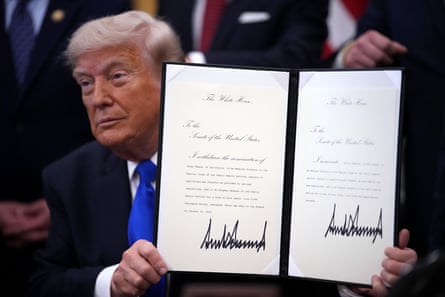
Saphier's nomination marks Trump's third attempt to fill this influential position during his political career. Previous nominees encountered significant resistance from Senate Democrats and some medical professionals who raised concerns about their qualifications or ideological positions on specific health issues. The appointment process for surgeon general typically involves detailed examination of the nominee's professional record, policy positions, and potential conflicts of interest.
Within the medical community, reactions to Saphier's nomination have been decidedly mixed. While some healthcare professionals and media commentators view her as a refreshing voice bringing alternative perspectives to public health policy, others express concern about her skepticism toward established medical practices and vaccination science. Major medical organizations have historically emphasized the importance of basing public health policy on rigorous scientific evidence and consensus recommendations from institutions like the Centers for Disease Control and Prevention.
The controversy surrounding childhood vaccines remains a particularly contentious aspect of Saphier's public health philosophy. Despite overwhelming scientific evidence demonstrating the safety and efficacy of routine childhood immunizations in preventing serious infectious diseases, vaccine skepticism has grown within certain demographic groups. Saphier's public questioning of vaccine necessity could signal a departure from the surgeon general position's traditional role as a staunch advocate for vaccination programs and disease prevention through immunization.
The "Make America healthy again" movement, with which Saphier is closely associated, reflects broader dissatisfaction among some Americans with aspects of the current healthcare system. Proponents argue that the movement emphasizes prevention, nutrition, and lifestyle modification over pharmaceutical interventions. Critics contend that while these elements are important, the movement sometimes dismisses or underestimates the critical role that modern medicine and pharmaceuticals play in treating serious diseases and maintaining public health.
Senate confirmation proceedings for the surgeon general position will likely provide a forum for examining Saphier's specific policy positions on vaccination, public health emergency preparedness, and disease prevention strategies. Democratic senators are expected to scrutinize her public statements on vaccines and alternative health approaches, while Republican supporters will likely emphasize her medical credentials and communication abilities. The outcome may ultimately depend on how effectively Saphier can explain and defend her positions while maintaining credibility with moderates in the chamber.
Looking ahead, Saphier's potential confirmation would signal a significant shift in how the federal government approaches public health messaging and policy development. Her appointment could influence the direction of major health initiatives, the surgeon general's approach to disease prevention, and the federal government's relationship with mainstream medical institutions and organizations. The broader implications of this nomination extend beyond the individual appointment to encompass fundamental questions about how the nation's top medical official should approach evidence-based policy versus alternative health perspectives.
Observers will closely monitor the confirmation hearings for indications of how the Senate evaluates Saphier's candidacy and what standard of scientific evidence and medical consensus emerges as decisive in the confirmation process. The proceedings may reveal broader shifts in political attitudes toward public health authority, medical establishment consensus, and alternative approaches to disease prevention and treatment in American society.


