
Woman Rescued After 3 Hours Trapped in Outback Toilet

A woman became trapped waist-deep in a pit latrine in the Australian outback after the structure collapsed. Emergency services launched a dramatic rescue operation.
In a harrowing incident that unfolded across three grueling hours, a woman found herself in an extremely distressing situation after the toilet facilities at a remote Australian outback location gave way beneath her. The outback toilet collapse left her trapped waist-deep in a pit latrine, creating an urgent emergency that would test the skills and determination of local rescue teams who sprang into action immediately upon receiving the distress call.
The woman, whose identity was not disclosed in initial reports, had been using the facilities at the isolated location when the structural integrity of the pit latrine suddenly failed. The pit latrine structure, which had likely been in use for an extended period without proper maintenance or structural reinforcement, simply collapsed beneath her weight. The sudden failure of the facility left her submerged in the waste material below, creating both a physically and psychologically traumatic situation that demanded swift intervention from emergency personnel.
When emergency services arrived at the remote outback site, responders were immediately confronted with a complex rescue scenario. The rescue operation required specialized equipment and careful planning to safely extract the victim without causing additional injury. Teams had to assess the stability of the remaining structure, develop a secure extrication plan, and work methodically to pull her to safety while minimizing the risk of further collapse or contamination-related health hazards.
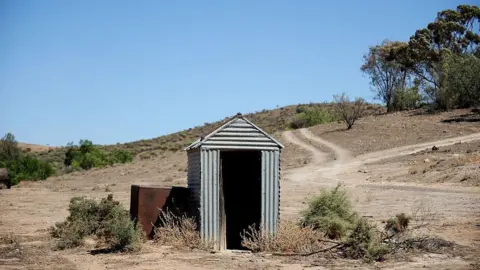
The three-hour ordeal tested the physical and mental resilience of the trapped woman as rescue workers carefully developed their approach. Outback emergency services coordinated efforts to stabilize the area around the damaged pit latrine, ensuring that the rescue could proceed without jeopardizing the safety of either the victim or the rescue personnel. The remote location of the incident posed additional challenges, as specialized equipment and additional personnel had to be transported to the site, and communication with the trapped woman had to be maintained throughout the ordeal to keep her conscious and calm.
Throughout the rescue operation, the woman remained conscious and in contact with emergency responders, providing vital information about her condition and receiving reassurance as workers implemented their extraction plan. The psychological toll of being trapped in such circumstances cannot be understated, and the rescue team worked not only to physically free her but also to provide emotional support during what must have been an extraordinarily frightening experience. Her ability to remain calm and cooperative undoubtedly contributed to the successful outcome of the rescue effort.
The pit latrine failure highlights ongoing concerns about infrastructure maintenance and safety standards at remote facilities throughout Australia's outback regions. Many isolated locations rely on basic sanitation facilities that may not receive regular inspection or maintenance, potentially creating dangerous situations for users. This incident serves as a stark reminder of the importance of proper facility maintenance and the need for regular safety assessments of structures that people depend on in remote areas.
The toilet structure collapse has prompted discussions among local authorities about implementing improved standards for outback facilities. Experts emphasize that pit latrines require regular monitoring, proper construction standards, and periodic reinforcement to ensure they remain safe for use over time. The incident demonstrates that even basic infrastructure in remote locations cannot be taken for granted and requires ongoing attention to prevent similar accidents from occurring in the future.
Following her extraction, the woman received immediate medical attention to address potential contamination exposure and any physical injuries sustained during the incident. Emergency medical personnel evaluated her thoroughly and monitored her condition to ensure that she did not require emergency hospitalization. The physical and psychological trauma of the experience means she will likely benefit from follow-up medical care and support services in the coming weeks and months.
The successful conclusion of this outback rescue mission is a testament to the training, quick thinking, and dedication of local emergency services who responded to the crisis. Their ability to assess the situation rapidly, develop an effective extraction plan, and execute the rescue without further incident likely prevented what could have been a tragic outcome. The incident underscores the critical role that emergency response teams play in remote communities where professional help may be hours away.
The incident also raises broader questions about sanitation infrastructure across rural and remote Australia. Many communities in the outback rely on aging facilities that may lack modern safety features and regular maintenance protocols. Government agencies and local councils are now examining whether additional funding and resources should be allocated to upgrade and improve these essential services in remote regions where alternative facilities may not be readily available.
As news of the dramatic toilet collapse rescue spread, it sparked conversations on social media and among outback residents about the challenges of maintaining safe facilities in isolated locations. Many people shared stories about substandard conditions they had encountered at remote facilities, highlighting a widespread concern about infrastructure quality in Australia's less populated regions. The incident has brought renewed attention to sanitation issues that have long been overlooked in policy discussions focused on more urban areas.
The woman's experience serves as a cautionary tale about the importance of proper facility maintenance and the potential consequences of neglecting infrastructure in remote areas. While her rescue was ultimately successful, the incident demonstrates how quickly a routine activity can turn into a life-threatening emergency when proper safety standards are not maintained. Moving forward, this case will likely influence policy decisions regarding outback facility standards and may lead to improved inspection protocols and safety requirements.
The successful rescue operation has been recognized by emergency services agencies as an exemplary response to a challenging situation. The coordination between different response teams, the careful planning, and the skilled execution of the extraction plan all contributed to a positive outcome in what could easily have been a far worse scenario. This incident will likely be studied in training programs to help future responders understand best practices for similar emergencies in remote locations.
Source: BBC News


