
Xbox Removes Microsoft Copilot AI from Consoles

Microsoft's Xbox division is discontinuing Copilot AI integration from consoles and its mobile app, marking a strategic shift in gaming assistant plans.
Microsoft's Xbox division has made the strategic decision to discontinue its Copilot AI assistant from its gaming platform, signaling a notable shift in the company's approach to artificial intelligence integration within its console ecosystem. The AI-powered assistant, which was previously slated to enhance the gaming experience across Xbox hardware, will no longer be rolled out to consoles and will be actively removed from the Xbox mobile application. This development comes as major technology companies continue to reassess their artificial intelligence initiatives and their practical applications within consumer-facing products.
The removal of Copilot from Xbox represents a significant reversal of Microsoft's earlier strategy to deeply integrate its AI assistant across multiple platforms and devices. The company had invested considerable resources in developing Copilot features tailored for gaming, with the intention of providing players with intelligent assistance for game recommendations, troubleshooting, and various gaming-related queries. However, internal evaluations and market feedback appear to have prompted Xbox leadership to pivot away from this particular implementation, focusing instead on other strategic priorities within their gaming division.
Sources within the gaming industry suggest that the decision stems from multiple factors, including user engagement metrics and the practical challenges of implementing AI features within console environments. The Xbox mobile app integration represented one of the primary touchpoints for Copilot within the Xbox ecosystem, allowing users to interact with the assistant while away from their consoles. The discontinuation of this feature indicates that Microsoft determined the value proposition was insufficient to justify continued development and maintenance of the integration.
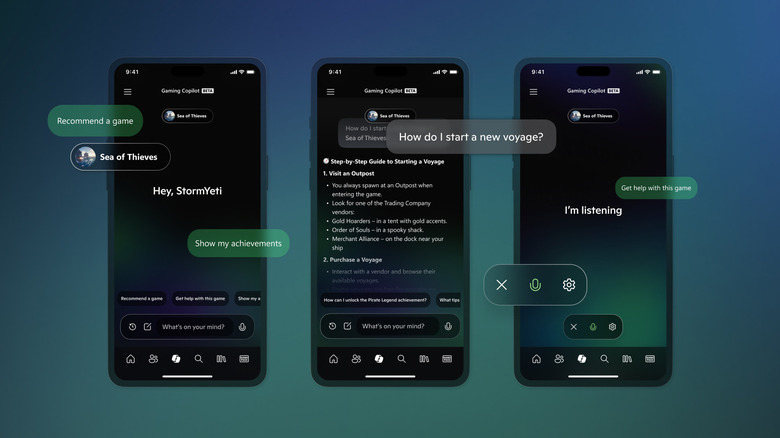
The broader context of this decision involves the ongoing industry-wide conversation about practical applications of artificial intelligence in gaming. While many tech companies have rushed to incorporate AI features into their products to capitalize on the current AI boom, the results have been mixed in terms of actual user adoption and satisfaction. Microsoft's Copilot AI removal from Xbox suggests that even well-resourced technology firms are recognizing the gap between theoretical AI utility and real-world user demand in specific contexts.
For Xbox users who may have been anticipating Copilot features, this decision means their gaming experience will continue without the integrated AI assistant. Players accustomed to using the Xbox mobile app for remote gameplay, account management, and console control will see the removal of Copilot functionality from that application. This streamlining could potentially simplify the user interface and improve overall app performance by reducing unnecessary features.
The timing of this announcement reflects broader trends within the technology sector where companies are becoming more selective about where and how they deploy their AI capabilities. Game developers and console manufacturers are increasingly recognizing that not every feature needs to be AI-powered, and that user experience sometimes suffers when complex algorithms are introduced without clear benefits. Microsoft's decision to step back from Copilot integration in Xbox demonstrates a more pragmatic approach to technology implementation.
Industry analysts point out that AI integration in gaming remains an area of active experimentation, with different companies taking varied approaches to determining what role artificial intelligence should play in the gaming ecosystem. While some gaming platforms continue to pursue AI features for matchmaking, content moderation, and player assistance, others are adopting a more measured approach. Xbox's decision to remove Copilot aligns with a growing recognition that successful technology adoption requires genuine user demand rather than feature-first implementation.
The Xbox mobile app, which serves millions of users worldwide, will see a simplified feature set following the Copilot removal. Players use this application for various purposes including managing their Game Pass subscriptions, checking achievements, communicating with friends, and managing their console remotely. The removal of Copilot will allow the development team to focus resources on optimizing these core functions that provide direct value to the user base.
Looking forward, Microsoft's gaming division appears to be concentrating its efforts on other areas where technology can demonstrably improve the gaming experience. Game Pass, cloud gaming capabilities, and cross-platform integration remain central to Xbox's strategy. This shift away from Copilot integration suggests that the company believes these foundational elements offer greater competitive advantage than AI-powered features at this particular moment in time.
The removal of Copilot from Xbox consoles and the mobile app concludes a chapter in Microsoft's ambitious effort to ubiquitously integrate its AI assistant across all consumer touchpoints. While Copilot continues to exist as a standalone service and remains integrated within Windows and Microsoft's productivity software, its absence from gaming hardware highlights the reality that AI adoption requires careful consideration of use case appropriateness. The gaming industry, in particular, has demonstrated that players value intuitive interfaces and proven functionality over experimental features.
This development may serve as a cautionary tale for other technology companies considering aggressive AI integration strategies. The initial enthusiasm surrounding generative AI has led some firms to pursue integrations that lack clear user benefits or practical applications. Xbox's decision to remove Copilot represents a moment of reflection where a major technology company acknowledged that not all innovations represent progress when implemented without sufficient user validation or demonstrated value.
Moving forward, observers will watch to see whether Microsoft applies similar evaluation criteria to other AI initiatives across its product portfolio. The company's willingness to reverse course on Copilot integration suggests a data-driven approach to feature development and deployment. For Xbox players, this decision means a more streamlined experience focused on proven gaming and entertainment features rather than experimental AI assistance.
Source: Engadget


