
Ancient Proteins Reveal Homo erectus DNA in Modern Humans

New research using ancient proteins from teeth suggests Denisovans interbred with Homo erectus, passing their DNA to modern humans through interbreeding events.
The story of human evolution has become increasingly complex and fascinating as scientific advances have allowed researchers to peer deeper into our ancient past. Through the remarkable ability to extract and analyze ancient DNA, scientists have fundamentally transformed our understanding of human ancestry and migration patterns. We now possess compelling evidence that as early human populations ventured out of Africa into new continents, they encountered and interbred with other hominin species including Neanderthals and Denisovans. This genetic mixing was far from uncommon, suggesting that interspecies contact and reproduction were regular occurrences throughout human prehistory.
The Denisovan genome itself has provided intriguing clues that this interbreeding pattern extended even further back in time than previously thought. Genetic analysis of Denisovan DNA revealed signatures suggesting that Denisovans themselves had interbred with an even more ancient hominin population. However, the identity of this mysterious ancestral group remained frustratingly unclear to researchers. Scientists could only speculate about which species might have contributed genetic material to the Denisovans, leaving a significant gap in our understanding of human evolutionary history.
A breakthrough now appears to be emerging from an unexpected source: ancient proteins extracted from fossilized teeth. Recent evidence strongly suggests that the unknown interbreeding partners of the Denisovans were members of Homo erectus, an ancient hominin species that left Africa over a million years ago and dispersed throughout Eurasia. What makes this discovery particularly significant for modern humans is the implication that we may have inherited genetic material from Homo erectus through this chain of interbreeding events. This means that the evolutionary pathway connecting us to this ancient ancestor is longer and more complex than previously understood.
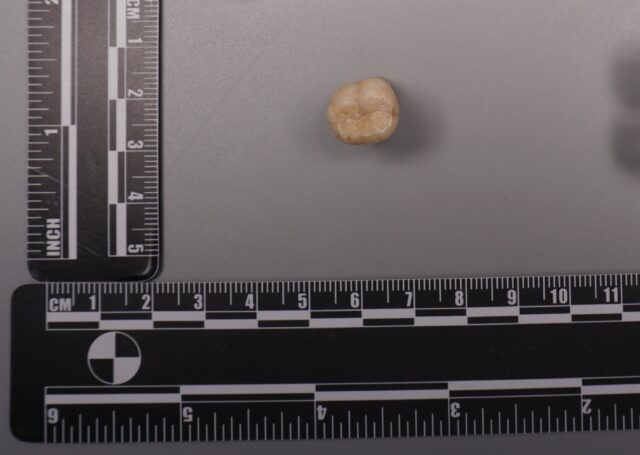
The fundamental challenge in studying ancient hominin DNA lies in the extreme fragility of genetic material over vast timescales. Without the protective machinery that living cells constantly maintain, DNA undergoes rapid and irreversible degradation. The double helix structure breaks apart into smaller fragments, individual base pairs change identity, and nucleotides fall away entirely. This degradation process creates a significant limitation for paleogeneticists attempting to recover genetic information from prehistoric specimens. Environmental conditions play a crucial role in determining how long DNA can persist; cooler and drier climates slow degradation considerably, but ultimately cannot prevent it entirely.
These fundamental constraints have established what researchers call a practical time limit for DNA recovery, beyond which obtaining intact genetic sequences becomes virtually impossible. Homo erectus specimens exist far beyond this technological threshold, having lived and died over a million years ago under conditions that were rarely optimal for DNA preservation. The degradation processes that destroyed Homo erectus DNA happened before modern genetic analysis techniques were even invented, meaning direct DNA recovery from these ancient remains appears currently impossible.
This is where the study of ancient proteins offers a potentially revolutionary alternative approach. Unlike DNA, which degrades relatively quickly, proteins can survive for extraordinarily long periods under the right conditions. Teeth, with their dense mineral structure and protective enamel coating, provide an ideal environment for protein preservation. The proteins incorporated into tooth enamel during an individual's lifetime can endure for hundreds of thousands or even over a million years, making teeth exceptionally valuable for extracting molecular information from extremely ancient hominins.
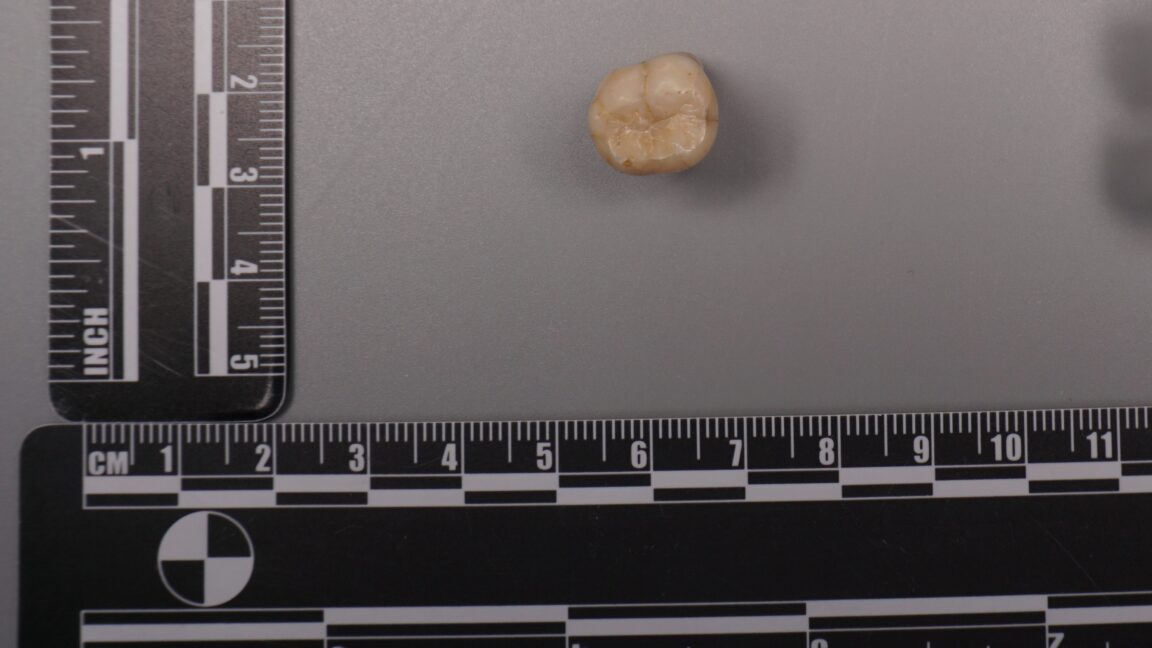
The approach of analyzing ancient proteins in teeth represents a paradigm shift in how researchers investigate deep human history. By examining the protein sequences preserved in fossilized teeth, scientists can infer information about the evolutionary relationships between ancient species. Proteins evolve more slowly than DNA in some respects, and their sequences contain a record of evolutionary change that can be compared across different hominin species. When researchers identified specific protein sequences in Homo erectus teeth and compared them to proteins from Denisovans and modern humans, they found compelling evidence of a shared evolutionary history.
The discovery has profound implications for understanding human evolutionary history and the complex web of genetic exchange that characterizes our past. It suggests that the Denisovans, who themselves had already interbred with modern humans, carried genetic legacy from an even more distant ancestor. By extension, this means that modern humans today may possess tiny fragments of Homo erectus DNA, inherited through the Denisovans. The cumulative genetic contribution may be small, but it represents a tangible connection to a species that was already ancient when Neanderthals and Denisovans first emerged.

This research exemplifies how modern science continues to reveal the interconnectedness of all human populations throughout evolutionary time. Rather than viewing human evolution as a linear path, contemporary evidence points to a complex network of migrations, meetings, and interbreeding events. The Denisovan contribution to modern humans has already been well documented, with certain populations retaining significant amounts of Denisovan DNA. Now, with this protein evidence pointing to Homo erectus as an ancestral contributor to Denisovans, the chain of inheritance extends further back into deep time.
The research also highlights the innovative methodologies that paleogeneticists and molecular anthropologists are developing to work around the limitations of ancient DNA. As new techniques for protein analysis become more sophisticated and sensitive, researchers can extract increasingly detailed information from fossilized remains. Future investigations may reveal even more about the interactions between different hominin species, pushing our understanding of human ancestry further back in time and revealing previously unknown chapters in our evolutionary story.
The implications of these findings extend beyond mere academic curiosity about human origins. Understanding how different hominin populations encountered and interbred with one another provides insights into human behavior, population movements, and adaptation to new environments. It reveals that our ancestors were not isolated populations but rather were part of a larger ecosystem of related species, all vying to survive and reproduce in changing prehistoric landscapes. This broader perspective helps contextualize modern human genetic diversity and explains some of the variation we see in contemporary populations.
As research in this field continues to advance, scientists anticipate making even more discoveries about our complex evolutionary heritage. The protein in Homo erectus teeth has opened a new window into the past, one that ancient DNA alone could never provide. With continued refinement of these techniques and analysis of additional fossil specimens, the true scope of interbreeding between ancient hominin species will likely become even clearer. This ongoing scientific endeavor reminds us that human evolution was far more intricate and interesting than earlier generations of scientists ever imagined, with multiple branches of our family tree intertwining across hundreds of thousands of years.
Source: Ars Technica


