
Olympic Weightlifters Master Barbell Physics

Scientists reveal how elite Olympic weightlifters exploit barbell 'whip' flexural bending to lift heavier weights. New physics research explains the technique.
Olympic weightlifting represents one of the most technically demanding sports at the highest competitive levels, requiring athletes to master three fundamental movements: the snatch, the clean, and the jerk—with the latter two often performed in combination. At the elite tier of competition, where margins between victory and defeat can be measured in fractions of a kilogram, athletes constantly search for every conceivable mechanical advantage. One particularly sophisticated technique that has gained scientific attention involves understanding and exploiting how a barbell bends and recoils under loaded weight and applied force. This phenomenon, known as flexural bending in physics terminology, is colloquially referred to as the "whip" by the weightlifting community. Recent research presented at a major scientific conference is shedding new light on the underlying physics and mechanisms that make this technique so effective.
The Acoustical Society of America's recent meeting in Philadelphia featured groundbreaking research into this very subject, attracting the attention of sports scientists, engineers, and competitive weightlifters alike. The timing of this research comes at a crucial moment when understanding equipment mechanics could provide meaningful insights into athletic performance at the international level. Joshua Langlois, a dedicated graduate student pursuing advanced studies at Pennsylvania State University, brings a unique perspective to this research. Beyond his academic work, Langlois actively competes in Strongman competitions as a passionate hobby, giving him firsthand experience with heavy lifting techniques and equipment dynamics.
Langlois's connections within the competitive weightlifting community proved invaluable for his research endeavors. Several of his friends compete at the national level in Olympic weightlifting events, and through conversations with these elite athletes, he gained crucial insights into how professional lifters actually utilize the barbell's flexing properties during competition. "They told me how they use the whip," Langlois explained during a media briefing discussing his findings. "When they dip down, they can feel when the bar flexes back up and use that to accelerate the movement upward to increase the amount they can lift." This description revealed a sophisticated understanding of equipment mechanics that traditional biomechanics analysis had not fully explored.

Motivated by these conversations and recognizing a gap in the scientific understanding of weightlifting equipment, Langlois decided to conduct a comprehensive modal analysis of barbells. Modal analysis is a specialized engineering technique used to determine how objects move, vibrate, and respond to forces applied to them. By applying this analytical approach, Langlois hoped to quantify the "whip" effect mathematically and develop a deeper understanding of the mechanical principles underlying this technique. His research also aimed to identify what specific characteristics make a barbell particularly effective at the elite competitive level, where equipment quality directly impacts athletic performance.
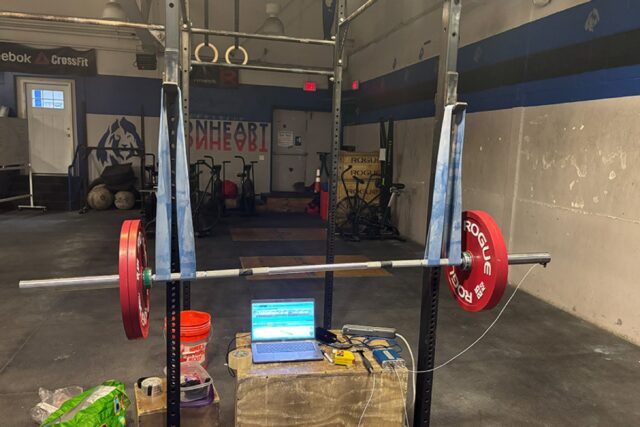
To conduct his investigation, Langlois assembled a collection of four 20-kilogram men's barbells—the standard weight used in men's Olympic weightlifting competitions, compared to the 15-kilogram barbells used in women's events. These barbells were carefully suspended under controlled laboratory conditions to allow for precise measurement of their responses to various forces. The research methodology represented a rigorous approach to understanding equipment dynamics that had previously received limited scientific attention in the weightlifting community.
The suspension of these expensive, professional-grade barbells allowed Langlois to measure their vibrational frequencies and flexural characteristics without the complications of human handling or variable environmental conditions. By systematically analyzing how each barbell responded to specific loads and forces, he could identify patterns in their mechanical behavior and understand the physical principles governing the "whip" effect that elite lifters consistently report experiencing during competition.
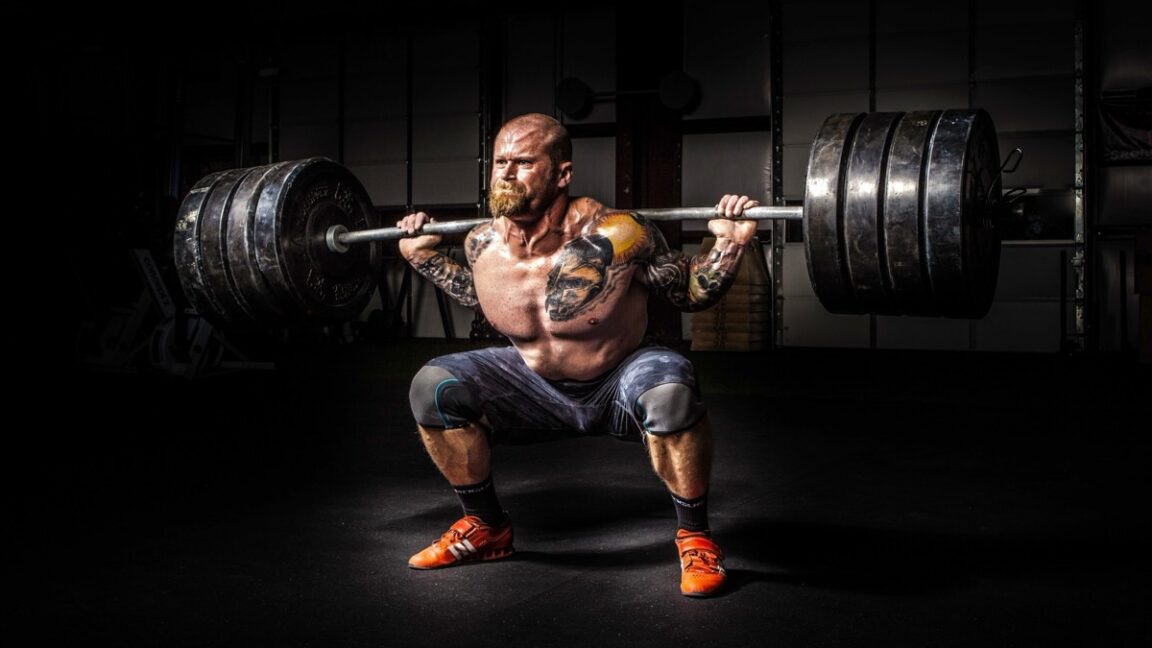
This research represents an important intersection between sports science and fundamental physics, demonstrating how understanding equipment mechanics can illuminate athletic performance. The whip phenomenon had long been recognized by experienced weightlifters as something they could feel and exploit, but the underlying physics had remained largely unexplored by the scientific community. By applying rigorous modal analysis techniques traditionally used in engineering applications, Langlois is helping to bridge this gap between athlete intuition and scientific understanding.
The implications of this research extend beyond mere academic interest. Understanding the precise mechanical properties of barbells could help equipment manufacturers design better implements for competitive use. It could also inform training methodologies, as coaches could teach athletes more explicitly about the timing and technique required to optimally exploit a barbell's flexural properties. Furthermore, this knowledge could influence how different athletes might select equipment based on their individual lifting styles and preferences.
The weightlifting community has long emphasized the importance of high-quality equipment, and this research provides scientific validation for those concerns. Different barbells, even within the same weight category, can have varying degrees of flexibility based on their material composition, manufacturing specifications, and construction quality. Elite athletes and coaches have intuitively understood these differences, often expressing strong preferences for specific equipment brands and models based on how the bar "feels" during competition.
The "whip" technique itself represents a fascinating example of how elite athletes exploit mechanical physics principles to enhance their performance. When a weightlifter performs the snatch or clean, they initiate the movement by rapidly extending their legs and hips in an explosive motion. This creates a powerful upward force that drives the barbell. However, the barbell itself doesn't move instantaneously with the applied force; instead, it bends and flexes in response to the applied stress. As the bar flexes upward during this recoil phase, an experienced lifter times their own upward movement to coincide with this rebound, effectively allowing them to ride the elastic energy being released by the barbell.
This timing requirement explains why mastering the whip requires significant practice and experience. Young or less experienced lifters often struggle to consistently exploit this mechanical advantage because the timing must be precise—too early and they miss the rebound, too late and the bar has already begun its descent. Elite athletes, through thousands of hours of practice, develop an almost intuitive sense of when to coordinate their body movement with the barbell's recoil. Langlois's research helps explain the physical basis for this intuitive knowledge that competitive athletes have accumulated through experience.
The research also raises interesting questions about the standardization of equipment in Olympic sports. While the International Weightlifting Federation (IWF) maintains strict specifications for barbell weight and dimensions, the regulations allow for some variation in the material properties and manufacturing processes used to create barbells. This means that within the rules of competition, barbells can have different flexibility characteristics that might affect how effectively an athlete can exploit the whip technique. Understanding these variations could have important implications for equipment regulations and competition fairness.

Langlois's presentation at the Acoustical Society of America meeting represents just the beginning of what could become a more comprehensive research program investigating the physics of Olympic weightlifting equipment. The acoustic properties of barbells—how they vibrate and produce sound—connect directly to their mechanical properties, making the Acoustical Society a particularly appropriate venue for presenting this research. The vibrational modes that Langlois measured through his modal analysis directly relate to the sounds that experienced lifters can hear and feel when handling professional-grade equipment.
As sports science continues to evolve and deepen our understanding of athletic performance, research like Langlois's demonstrates the value of combining practical experience with rigorous scientific methodology. The weightlifting community's folk knowledge about the importance of equipment quality and the usefulness of the whip technique is now being validated and explained through scientific analysis. This represents the type of collaborative approach that can advance both scientific knowledge and athletic performance simultaneously, creating a feedback loop where improved understanding leads to better training methods and equipment design, which in turn enables athletes to achieve even greater performance levels.
Source: Ars Technica


