
British Palestinians Say They're Being Silenced

Leading activist Sara Husseini claims British Palestinians face hostility and self-censorship over Gaza conflict, unable to openly express identity.
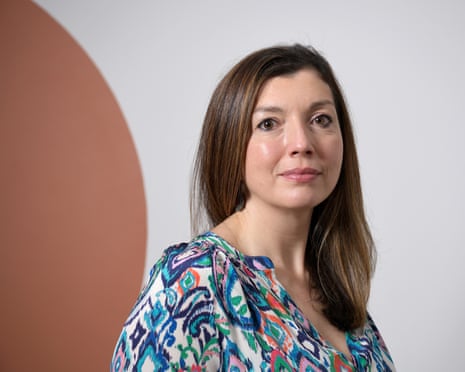
Ahead of the upcoming Nakba march, British Palestinians are expressing deep concerns about their ability to speak freely about Israel's military operations in Gaza, according to prominent community leaders. Sara Husseini, director of the British Palestinian Committee, has raised alarm about what she describes as a pervasive sense of being "gaslit" and treated as suspects rather than as members of a community experiencing mass suffering. This growing tension reflects broader anxieties within the Palestinian diaspora community in the United Kingdom regarding their civil liberties and social standing.
The climate of fear extends far beyond political demonstrations and social media discourse. Many Palestinians in Britain report experiencing significant anxiety about displaying visible markers of their cultural and national identity in everyday settings. Husseini highlighted that community members are consciously avoiding wearing Palestinian symbols in their workplaces, choosing not to display traditional Arabic jewelry, and refraining from wearing the iconic keffiyeh in public spaces due to concerns about potential negative reactions or professional repercussions.
This pattern of self-censorship represents a troubling development for advocates of Palestinian rights and cultural representation. The fear of backlash has created a chilling effect that extends into multiple spheres of daily life, from professional environments to public transportation and shopping centers. For many, the choice to remain silent or invisible becomes a survival mechanism in a social environment they perceive as increasingly hostile to their identity and political viewpoints.
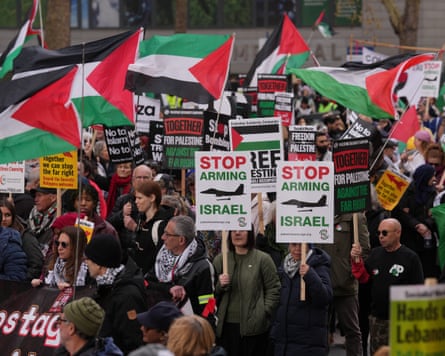
The concerns raised by Husseini come at a particularly significant moment, as communities prepare for commemorative events marking the Nakba—the Palestinian term for the displacement of Palestinians during the 1948 creation of Israel. These annual marches and gatherings have historically served as important venues for Palestinian activism and community solidarity. However, according to activist accounts, even these traditional spaces of expression and remembrance are becoming fraught with anxiety and uncertainty.
Campaign groups and human rights organizations have increasingly documented what they characterize as a growing hostility toward Palestinian identity across various sectors of British society. The perception exists that any form of Palestinian advocacy or cultural expression is met with suspicion, whether in educational institutions, workplaces, or public forums. This atmosphere, activists argue, fundamentally undermines principles of free speech and cultural pluralism that are supposedly core to British democratic values.
The broader context of Israel's conflict with Gaza has undoubtedly intensified these concerns. As the military campaign has continued and intensified, mainstream media coverage and public discourse have become increasingly polarized. Palestinian British communities report feeling caught in a hostile narrative environment where their experiences and perspectives are often marginalized or entirely absent from dominant conversations. This sense of being unheard and unseen compounds the psychological impact of the conflict itself.
Workplace discrimination presents one of the most acute concerns for British Palestinians navigating this challenging environment. Professional environments, which are theoretically bound by equality and non-discrimination policies, have become spaces where individuals feel they must hide or downplay their ethnic and cultural identity. The fear of being perceived as having extreme views, facing colleague ostracization, or encountering employment consequences has led many to adopt strategies of invisibility that would have been unthinkable in previous decades.
Educational institutions have also become contentious spaces where students and staff report feeling uncomfortable expressing Palestinian solidarity or discussing the humanitarian dimensions of the conflict. Universities, which pride themselves as forums for open debate and intellectual exchange, have witnessed increasingly heated conflicts between pro-Palestinian and pro-Israel student groups. This polarization has created an environment where students feel they must carefully navigate their identity and political convictions.
The psychological toll of this environment cannot be understated. Many British Palestinians describe experiencing profound isolation, anxiety, and what some characterize as a form of collective trauma. The inability to speak openly about their heritage, concerns about family members affected by the conflict, or legitimate political grievances creates a sense of profound alienation from the broader society in which they live and work.
Civil liberties organizations have begun examining whether the current climate violates fundamental principles of freedom of expression and association. Legal experts have questioned whether the social pressure and perceived discrimination facing Palestinian activists and communities in Britain constitute violations of protected rights under British law and international human rights standards. Some have called for investigations into allegations of institutional discrimination within workplaces and educational facilities.
The situation reflects broader international tensions that have seeped into British society with particular intensity. As global media attention has focused on the Gaza conflict, communities across the United Kingdom have become flashpoints for these larger geopolitical disputes. Palestinian communities, already historically marginalized in British discourse, have found their ability to participate in this discussion further constrained by fears of social consequences.
Looking forward, activists and community leaders are calling for greater efforts to protect the civil liberties and freedom of expression of all communities, including British Palestinians. They argue that a truly pluralistic society must accommodate diverse perspectives on complex international issues without subjecting any group to collective suspicion or social punishment. The upcoming Nakba march and related commemorative events will likely serve as important tests of whether British society can maintain its commitment to these foundational democratic principles while navigating deeply divisive international conflicts.
The testimony from Husseini and other community members ultimately raises fundamental questions about belonging, inclusion, and freedom in contemporary Britain. Whether society can successfully address these concerns through dialogue, policy changes, or cultural shifts remains to be seen, but the urgency expressed by community leaders suggests that action is needed to prevent further deterioration in the situation facing British Palestinians seeking to maintain their cultural identity while contributing to the wider society they call home.
Source: The Guardian


