Leaders Losing Ground: Why Starmer Faces Global Popularity Crisis

European leaders struggle with plummeting approval ratings as economic challenges mount. Starmer's popularity crisis reflects a continent-wide trend of voter dissatisfaction.
Across Europe, a troubling pattern has emerged that transcends national borders and political systems. From Westminster to the Élysée Palace, national leaders find themselves grappling with unprecedented levels of public dissatisfaction. The phenomenon is not isolated to any single politician or policy failure, but rather reflects a broader wave of voter frustration sweeping through democracies facing mounting economic and social pressures. Leadership approval ratings have become a bellwether for the challenges confronting modern governance.
A stark warning recently delivered to one embattled political figure captured the severity of the crisis: "People hate you." This blunt assessment, delivered by an adviser to his leader, reflects the candid frustrations that political operatives now face when discussing their principals' public standing. Meanwhile, media commentary has become increasingly harsh, with one prominent daily newspaper observing that "almost everyone agrees on one thing: they don't like him." Such sweeping judgments, once considered inflammatory, have become commonplace in contemporary political discourse.
The United Kingdom provides perhaps the most visible example of this voter dissatisfaction epidemic. Prime Minister Keir Starmer's political fortunes have deteriorated significantly since taking office, reaching what many observers describe as crisis levels. The recent disastrous set of local election results served as a painful reminder of his struggling political capital. According to comprehensive polling conducted by YouGov, the numbers tell a damning story: only 11% of British voters believe Starmer has been a good or great prime minister, while a staggering nearly 60% assess his performance as poor or terrible.

These approval figures represent more than mere statistical disappointment; they indicate a fundamental erosion of public trust in the nation's leadership. For a prime minister barely into his tenure, such low numbers suggest that the initial honeymoon period of any new government has evaporated entirely. The local election results that preceded these polling numbers demonstrated voters' willingness to punish the governing party at the ballot box, translating disapproval into electoral consequences.
Yet Starmer's troubles exist within a broader continental context that demands examination. European political leaders across the ideological spectrum are contending with similar headwinds that have proven remarkably resistant to traditional political remedies. The cumulative effect of economic uncertainty, inflationary pressures, and the lingering aftermath of pandemic-era disruptions has created an environment where public patience has worn thin. Citizens throughout the continent appear increasingly skeptical that their leaders possess the solutions to their mounting problems.
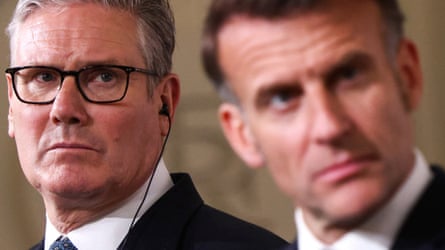
The phenomenon extends beyond the United Kingdom's borders into France and other major European democracies. Leaders face the unenviable task of delivering unwelcome news to frustrated electorates while attempting to maintain their political viability. This structural challenge creates what analysts describe as a popularity paradox: implementing necessary but unpopular policies erodes public support, yet failing to act on critical issues damages credibility and worsens underlying conditions.
Economic conditions form the bedrock of this widespread dissatisfaction. High energy costs, persistent inflation affecting household budgets, and concerns about long-term economic security have dominated public discourse. When citizens struggle with daily living costs and perceive their purchasing power declining, they typically express their frustration through polling numbers and electoral punishment. Leaders promising transformative change often find themselves unable to deliver quick fixes, leading to deepening disillusionment.
The timing of these approval crises also matters significantly. In Britain, Starmer inherited a complicated political inheritance from his predecessors, with the electorate exhausted after years of turbulent governance. The Labour government promised stability and competent administration, yet faces immediate pressure to address inflation, public service challenges, and a range of inherited problems. The gap between campaign promises and governing realities inevitably creates space for public disappointment.
International comparisons reveal that this pattern of leadership unpopularity responds to genuine structural challenges rather than simple personality-based factors. French President Emmanuel Macron has navigated similar struggles with his approval ratings, facing resistance to pension reforms and other contentious policies. The common thread connecting these various national contexts involves difficult decisions that satisfy neither the left nor the right of the political spectrum, leaving leaders vulnerable from multiple directions.

Media narratives have amplified these approval struggles, with journalists and commentators treating leadership approval trends as indicators of broader political viability. The constant cycle of polling, analysis, and commentary creates feedback loops that can accelerate the erosion of public confidence. Leaders responding to negative coverage often struggle to break free from narrative frameworks that emphasize their difficulties rather than accomplishments.
The structural nature of current challenges suggests that traditional political rehabilitation might prove elusive. Economic uncertainty and voter skepticism about government solutions to complex problems create headwinds that extend beyond any individual politician's control. While Starmer and his counterparts can implement popular policies or engage in effective communication strategies, the underlying conditions driving dissatisfaction will likely persist for some time.
Looking forward, political observers suggest that leaders across Europe face a critical period requiring both policy success and sustained communication efforts. Building public confidence requires demonstrating tangible improvements in living standards, employment security, and essential services. The challenge remains formidable, as the window for political rehabilitation narrows with each negative polling cycle and electoral setback. For now, the continent's leaders bear the brunt of delivering difficult truths to electorates seeking solutions that may take years to fully materialize.