
Cuba Faces Energy Crisis as US Intensifies Pressure

Havana residents struggle with severe fuel shortages and blackouts while US authorities charge Raúl Castro with murder, escalating tensions.
Cuba is confronting an unprecedented energy crisis that has left millions of residents grappling with prolonged blackouts and critical fuel shortages across the island nation. The situation has intensified following recent developments in which the United States has formally charged the country's former leader, Raúl Castro, with murder, marking another escalation in the long-standing tensions between Washington and Havana. For ordinary Cubans navigating daily life in the capital and beyond, these compounding challenges have created a humanitarian situation of significant concern.
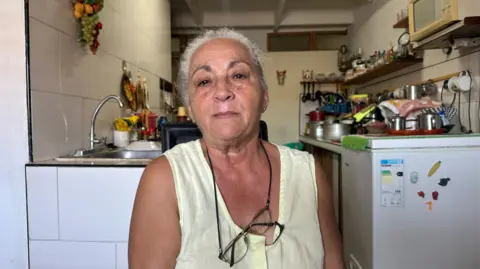
Recent interviews conducted by the BBC with residents of Havana reveal the stark reality facing ordinary citizens as blackouts have become an almost daily occurrence rather than an exceptional event. Many residents describe rotating power cuts that leave neighborhoods without electricity for extended periods, disrupting everything from food preservation to medical care. The unpredictability of the power grid has forced families to fundamentally reorganize their daily routines, with parents working around darkness and businesses struggling to maintain operations during extended outages.
The fuel crisis underlying these blackouts stems from multiple interconnected factors that have accumulated over time. Cuba's aging power generation infrastructure, heavily dependent on aging fossil fuel plants, has become increasingly unreliable as maintenance capacities have diminished. Additionally, the island's heavy reliance on imported petroleum has become unsustainable given the country's economic constraints and limitations in accessing international markets due to longstanding economic sanctions and diplomatic tensions.
The timing of these energy crisis developments coincides with heightened political pressure from the United States, which has recently escalated its legal actions against Cuban leadership. The decision to formally charge Raúl Castro, who served as Cuba's president from 2008 to 2018, represents a significant diplomatic escalation and reflects the increasingly adversarial stance between the two nations. This move has raised international questions about the motivations behind the charge and its potential implications for bilateral relations and Caribbean regional stability.
For Havana's residents, the immediate concern is survival and maintaining basic quality of life rather than geopolitical considerations. Families have described purchasing generators when possible, though costs remain prohibitively high for most citizens. Those without resources face the challenge of preserving food without refrigeration, navigating homes without adequate lighting, and managing medical needs that may require electrical equipment or refrigerated medications.
Local business owners throughout the capital have expressed frustration about the power interruptions and their devastating impact on economic activity. Restaurants struggle to operate when they cannot reliably cook food or keep supplies fresh, while small shops find it impossible to maintain inventory in refrigerated units. The cascading economic effects of unreliable electricity threaten to worsen Cuba's already fragile economic situation, creating additional hardship for workers and entrepreneurs alike.

The US pressure campaign against Cuba has included various mechanisms beyond the recent criminal charge against the former leader. Economic sanctions have restricted Cuba's ability to engage in normal international trade and access capital markets, while diplomatic isolation has limited the country's options for resolving its economic difficulties through international cooperation. These measures have contributed to the broader context of scarcity and economic struggle that has made it impossible for the government to adequately invest in infrastructure maintenance and modernization.
Medical professionals in Havana have raised particular concerns about the impact of blackouts on healthcare delivery, which depends critically on reliable electricity for equipment operation, vaccine storage, and basic patient care facilities. Hospitals have reported implementing rotational schedules and rationing electricity usage, creating situations where essential medical services face compromise. Pediatric wards, surgical units, and intensive care facilities require uninterrupted power, making blackouts a serious threat to vulnerable patient populations.
Educational institutions have similarly struggled to adapt to the energy crisis, with schools implementing modified schedules or shifting classes to different times of day depending on when power is available. Students have reported difficulty completing homework and online learning assignments when electricity access is unpredictable, threatening educational progress and creating concerns about long-term developmental impacts on younger generations.
The psychological toll of prolonged uncertainty and hardship cannot be overlooked in examining the humanitarian dimensions of Cuba's current situation. Residents express anxiety about future developments, uncertainty about how long conditions might persist, and frustration about the lack of visible government solutions. Stories of community cooperation and mutual assistance have emerged, with neighbors sharing resources and helping vulnerable elderly residents navigate the challenging conditions.
International observers have noted that Cuba's situation reflects broader vulnerabilities facing island nations dependent on imported energy resources and subject to sanctions regimes. The case highlights how political isolation and economic restrictions can create cascading humanitarian consequences affecting ordinary citizens who have limited influence over international relations. Various humanitarian organizations have called for dialogue and negotiation as alternatives to measures that inflict civilian suffering.
Government officials in Havana have attributed the crisis to multiple factors including the impact of sanctions, global energy market volatility, and aging infrastructure inherited from earlier periods. They have announced plans for investment in renewable energy infrastructure and repairs to existing generation capacity, though implementation timelines and funding sources remain unclear. International energy analysts have suggested that solar and wind energy development could provide meaningful relief if adequate investment and technology transfer could be secured.
Looking forward, observers suggest that resolution of Cuba's energy crisis will likely require some combination of infrastructure investment, international cooperation, and potential shifts in the political and diplomatic dynamics between Cuba and the United States. Without significant changes in current approaches, residents can expect continued hardship and the complex interplay between energy scarcity, economic constraint, and political tension to persist. For ordinary Cubans, the immediate focus remains on day-to-day survival strategies and hope that circumstances will eventually improve.
Source: BBC News


