
Gateway Manufacturer Admits Manufacturing Flaw After NASA Revelation

NASA Administrator reveals corrosion issue in Lunar Gateway habitation modules. Northrop Grumman and ESA acknowledge manufacturing irregularity affecting space station components.
A significant revelation regarding the Lunar Gateway project emerged last week when NASA Administrator Jared Isaacman disclosed during congressional testimony that the two primary habitation modules constructed for the ambitious lunar space station had experienced corrosion. This unexpected announcement before a House committee immediately captured the attention of space industry professionals and observers worldwide, raising questions about the readiness and structural integrity of one of NASA's most critical future infrastructure projects.
The disclosure proved controversial within certain segments of the aerospace community. Initial reactions from space industry observers expressed considerable skepticism about Isaacman's claims, with some space industry experts questioning the validity of his statements and suggesting potential inaccuracies in the NASA Administrator's congressional testimony. The doubt reflected broader concerns about transparency and communication between government agencies and their contractors regarding critical technical issues affecting major space programs.
Despite the initial skepticism, events quickly validated the concerns raised during the hearing. Northrop Grumman, the primary contractor responsible for the Habitation and Logistics Outpost (HALO) module, soon issued an official acknowledgment confirming that a manufacturing irregularity had indeed occurred during the production of the critical habitat components. This confirmation from the aerospace giant marked an important moment of transparency, as the company shifted from implicit silence to explicit recognition of the technical challenge affecting one of the most vital elements of the lunar gateway infrastructure.
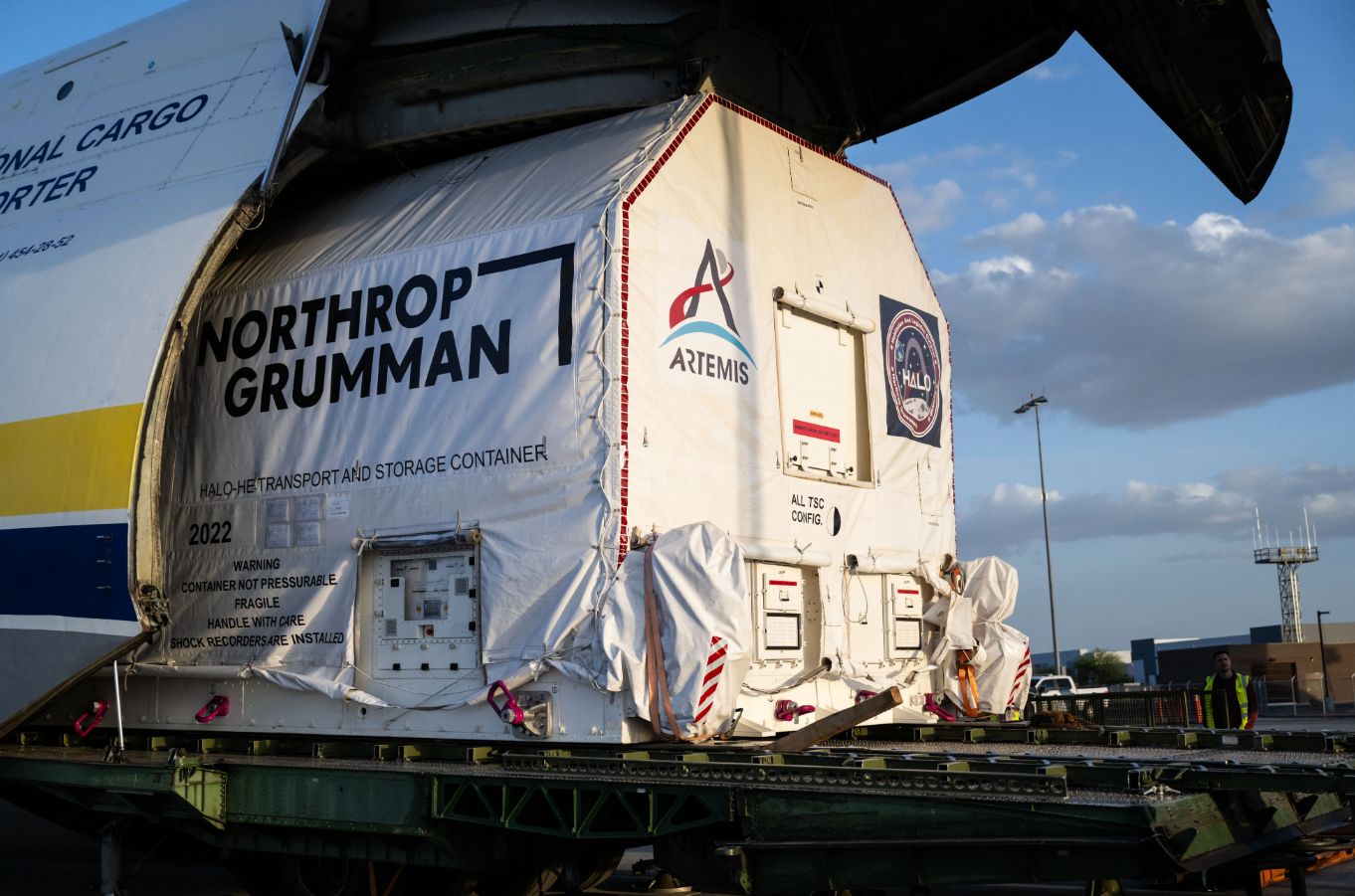
The corrosion issue gained further credibility when the European Space Agency (ESA) formally acknowledged the problem on Friday. The ESA, which had been responsible for developing the I-HAB (International Habitation Module) component of the gateway, confirmed that observations of "corrosion" had been documented on their module. This dual acknowledgment from both American and European space agencies represented a critical turning point in how the issue would be addressed and remedied moving forward.
The manufacturing defect discovery represents a significant challenge for the Lunar Gateway program, which represents one of the cornerstone components of NASA's Artemis missions and long-term plans for sustained lunar exploration. The gateway serves as a critical staging area and habitation facility for astronauts conducting extended operations on the lunar surface, making the structural integrity and reliability of its habitation modules essential to mission success and crew safety.
Technical experts and engineers from both Northrop Grumman and the ESA now face the complex task of determining the root cause of the corrosion, assessing the extent of the damage to both modules, and developing effective remediation strategies. The investigation will likely involve detailed material analysis, environmental exposure studies, and potentially redesigned protective measures to prevent similar issues from occurring during the operational lifetime of the gateway in the lunar environment.

This situation underscores the inherent challenges involved in developing advanced aerospace systems with unforgiving operating environments and demanding performance requirements. The lunar gateway must contend with extreme temperature variations, radiation exposure, micrometeorite impacts, and other harsh conditions that test the limits of material science and engineering design. The discovered corrosion issue, while concerning, also demonstrates that rigorous testing and inspection protocols are functioning as intended to catch problems before they become catastrophic failures in space.
The acknowledgment from both contractors and space agencies marks an important shift toward greater transparency with Congress and the public regarding challenges facing major space exploration programs. Rather than attempting to conceal manufacturing irregularities, the agencies involved moved relatively quickly to acknowledge the issue and presumably initiate comprehensive solutions. This approach builds confidence in the oversight mechanisms designed to ensure mission success and crew safety across American space initiatives.
Looking forward, the resolution of the corrosion issue will likely involve extensive testing, possible component replacement or repair, and implementation of enhanced quality control measures throughout the remaining manufacturing and assembly phases of the Lunar Gateway. The timeline for launching the gateway and its associated habitat modules may potentially be affected, depending on the severity of the corrosion damage and the complexity of the remediation efforts required.
The incident also raises broader questions about supply chain management, manufacturing oversight, and quality assurance protocols in the aerospace industry. As space exploration programs become increasingly ambitious and complex, the need for robust inspection and verification systems becomes more critical. Both NASA and its contractors will likely review and potentially strengthen their existing quality control frameworks to prevent similar issues in future projects.
The Lunar Gateway remains a cornerstone of NASA's vision for sustained lunar exploration, and despite this manufacturing challenge, the program continues to advance toward its ultimate objectives of establishing human presence on the Moon. The acknowledgment and forthright handling of the corrosion issue by Northrop Grumman and the ESA demonstrates the commitment of these organizations to ensuring the highest standards of engineering excellence and mission reliability.
Source: Ars Technica


