
Notepad++ Mac Port Disavowed by Creator

Don Ho, creator of Notepad++, disputes unauthorized Mac version. Learn about the trademark dispute and what it means for users.
The legendary Notepad++ text editor has maintained a distinctive position in the software development landscape since its inception in 2003. Created by Don Ho as an enhanced alternative to Windows' basic Notepad, the application introduced revolutionary features including line numbering, syntax highlighting, and support for multiple programming languages. Throughout its two-decade history, Notepad++ has remained exclusively available for Windows systems, from the earliest versions supporting Windows 95 through modern iterations that officially support Windows 7 and newer operating systems. The application has cultivated a devoted following among developers and programmers worldwide, earning its reputation through continuous improvements and Ho's dedicated stewardship.
The landscape surrounding Notepad++ development took an unexpected turn when news emerged of a Mac adaptation appearing in mainstream technology coverage. Reports suggested the emergence of a "Notepad++ for Mac" port, which circulated through industry channels as if it represented an official release from the original developers. This unexpected announcement raised eyebrows among the devoted user community and observers familiar with the application's long-standing Windows exclusivity. The timing and presentation of this news created confusion about whether the original development team had finally decided to expand beyond their traditional platform, marking what could have been a significant milestone in the application's history.
Don Ho, the original architect and primary maintainer of Notepad++, quickly responded to dispel the widespread misconception surrounding this unauthorized port. Ho issued a formal statement asserting that the Mac version represents an unauthorized use of his trademarked name and brand identity. According to Ho's official statement, the creator of the Mac adaptation, identified as Andrey Letov, has engaged in trademark infringement by utilizing the Notepad++ name without securing the necessary permissions or licensing agreements. This development highlighted the importance of intellectual property protection in the open-source and software development communities, where brand recognition carries significant weight.
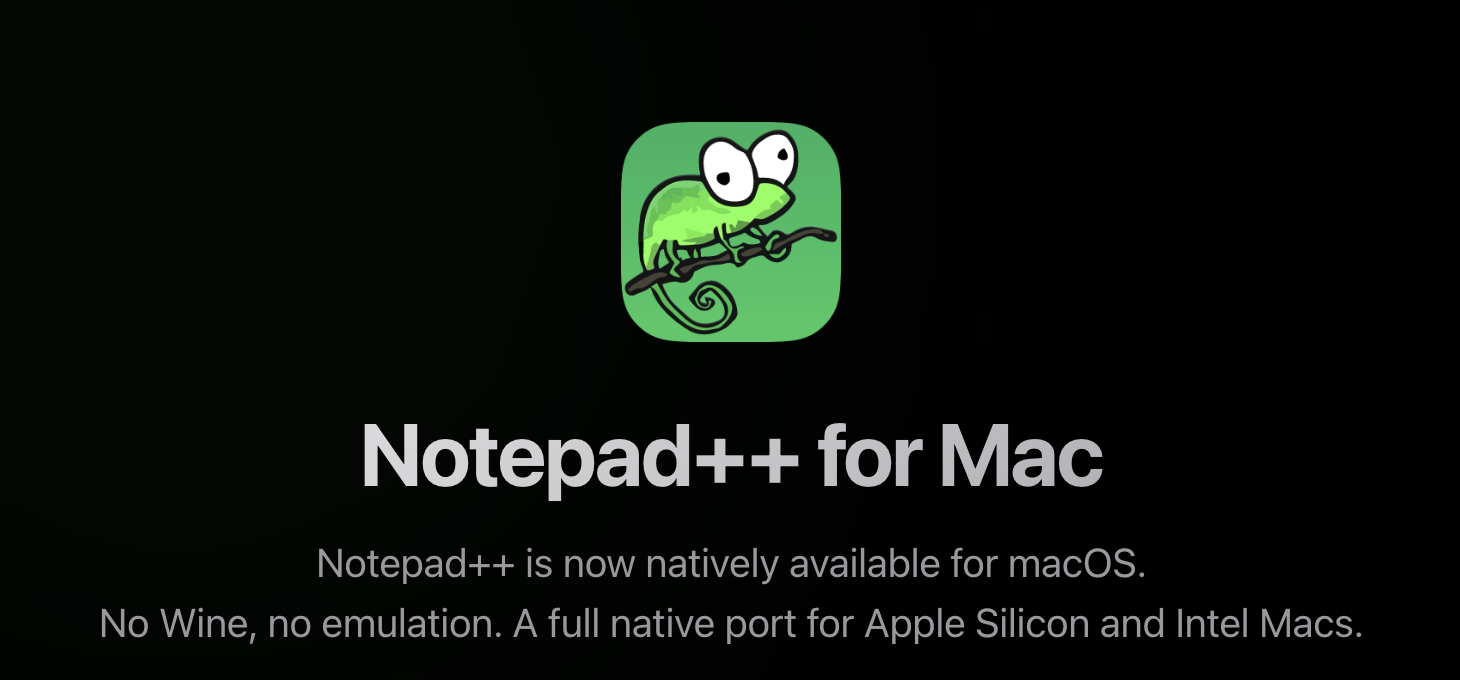
The dispute centers on fundamental principles of intellectual property rights and the protection of established brand identities within the software ecosystem. The Notepad++ trademark, officially registered under French intellectual property authorities, represents years of development, community trust, and brand reputation building by Ho and his team. The unauthorized use of this trademarked name on a third-party application creates potential confusion among end users who may believe they are downloading an official release from trusted sources. Such confusion can damage the original brand's reputation and create liability concerns for users who may not receive the same quality assurance, security updates, or feature compatibility they would expect from an officially-endorsed version.
This situation exemplifies ongoing challenges within the open-source software community regarding brand protection and trademark enforcement. While open-source projects typically embrace collaborative development and community contributions, they must simultaneously protect their intellectual property and maintain control over how their names and trademarks are used in the marketplace. The emergence of unofficial ports bearing the original application's name without explicit authorization represents a grey area in software licensing and trademark law. Developers and organizations must balance their desire for projects to flourish across multiple platforms with the need to preserve brand integrity and prevent consumer deception.
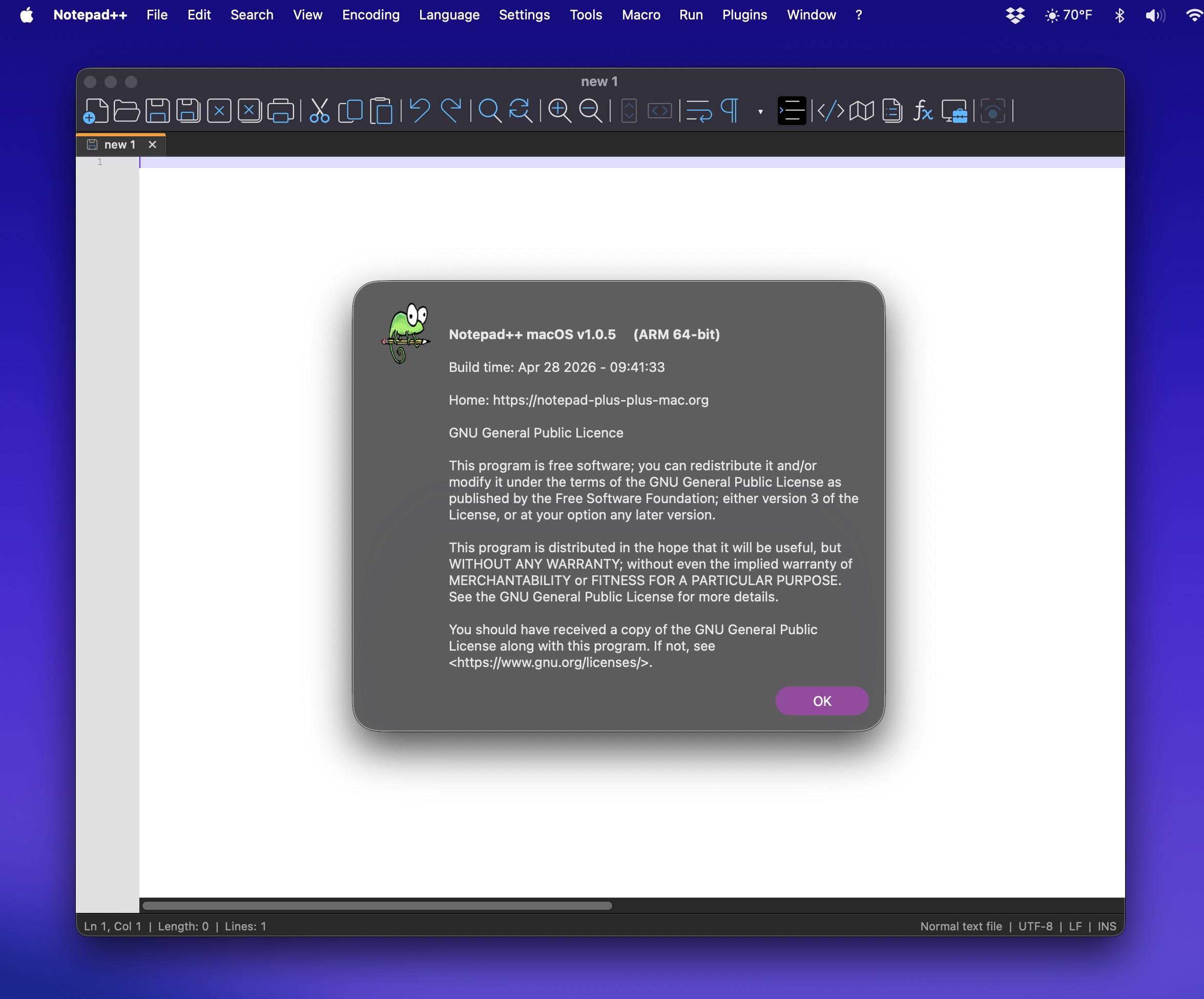
The Mac version in question appears to be the work of an independent developer seeking to fill what they perceived as a gap in available tools for macOS users. Andrey Letov's creation may represent a genuine effort to bring the functionality and user experience of Notepad++ to Apple's platform, potentially addressing demands from Mac-using members of the developer community. However, the decision to use the Notepad++ name without authorization demonstrates a misunderstanding of or disregard for proper trademark licensing procedures. Legitimate third-party developers creating applications inspired by successful software typically employ different names, distinctive branding, and clear disclaimers regarding their relationship to the original project, avoiding potential legal conflicts and consumer confusion.
Ho's response reflects a broader pattern observed in the software industry where creators of popular applications must actively defend their intellectual property to prevent dilution or misuse. The process of trademark enforcement often requires public statements, cease-and-desist letters, and in some cases, formal legal action to protect brand assets. For individual developers like Ho, managing these intellectual property issues alongside continued development of the primary application represents an additional burden and expense. The need to address trademark violations distracts from productive development efforts and underscores the importance of proper legal frameworks for protecting software intellectual property in international contexts.

The question of whether Notepad++ will ever receive an official macOS release remains unresolved following this controversy. Ho and his development team have prioritized maintaining the Windows application with consistent updates and improvements rather than committing resources to developing alternative platform versions. The substantial differences between Windows and macOS development frameworks, user interface paradigms, and system architectures would require significant engineering effort to create a genuinely native and optimized Mac experience. Furthermore, the relatively smaller percentage of Notepad++'s user base operating on macOS may not justify the development investment from the perspective of Ho's limited development resources.
Mac users seeking similar functionality have traditionally turned to alternative text editors for macOS including established options like TextMate, Sublime Text, Visual Studio Code, and various other capable editors. These applications offer comparable features to Notepad++, including syntax highlighting, extensive customization options, and support for numerous programming languages. Many of these alternatives have native macOS implementations optimized for the platform's particular strengths and user interface conventions. The diversity of powerful text editing tools available across all platforms demonstrates that while Notepad++ occupies a special place in Windows development culture, macOS developers have never depended exclusively on a single editor for their work.
This incident carries implications for how consumers and developers navigate software discovery and verify the authenticity of applications they download and install. With thousands of applications available across various platforms and distribution channels, users must develop stronger verification practices to confirm they are obtaining genuine, officially-supported software. Checking official project websites, reviewing developer credentials, and examining update sources represent essential steps in avoiding inadvertently installing unauthorized versions that may lack proper maintenance, security updates, or compatibility assurances. The proliferation of third-party applications using established brand names without authorization necessitates greater vigilance from the entire technology community.
The Notepad++ trademark dispute serves as a cautionary tale for both developers and users in the technology sector. Independent developers who wish to create derivative or inspired projects would be wise to consult trademark databases, seek appropriate licensing agreements, and employ distinctive branding that clearly differentiates their work from established applications. Meanwhile, trademark holders must actively monitor their intellectual property and enforce their rights to prevent erosion of brand value and consumer confusion. As software development continues to evolve and projects increasingly span multiple platforms and distribution methods, the importance of properly respecting intellectual property rights becomes ever more critical for maintaining a healthy and trustworthy software ecosystem.
Source: Ars Technica


