
Pentagon Seeks $54B Drone Budget Surpassing Most Nations

The US military requests $53.6B for drone warfare technology in FY2027, exceeding most countries' entire defense budgets. Largest investment in autonomous warfare.
The United States Department of Defense has unveiled an ambitious and historically significant budget proposal for the upcoming fiscal year, requesting a staggering $1.5 trillion in total military funding. Within this massive appropriations request lies what Pentagon officials have characterized as the most substantial investment in drone warfare technology and counter-drone defense systems that the nation has ever undertaken. This unprecedented commitment to unmanned aerial systems represents a fundamental shift in how the military plans to conduct operations and defend critical installations worldwide.
The proposed allocation for drone and autonomous warfare technologies within the FY2027 budget proposal stands at $53.6 billion, a figure so substantial that it would independently rank as one of the world's top military budgets if it were a standalone national defense expenditure. To put this amount in perspective, this single line item in the Pentagon's budget exceeds the total defense spending of most countries globally. The funding would surpass the entire military budgets of established nations including Ukraine, South Korea, and Israel, placing it among the top 10 military expenditures worldwide when compared country-by-country.
This extraordinary investment underscores the Pentagon's strategic commitment to maintaining technological superiority in the rapidly evolving landscape of modern warfare. Military planners have identified autonomous systems and unmanned platforms as critical capabilities for future conflicts, both in conventional warfare scenarios and in asymmetric engagements against non-state actors. The massive budget request reflects years of planning and strategic assessments indicating that drone technology will form the backbone of military operations for decades to come.
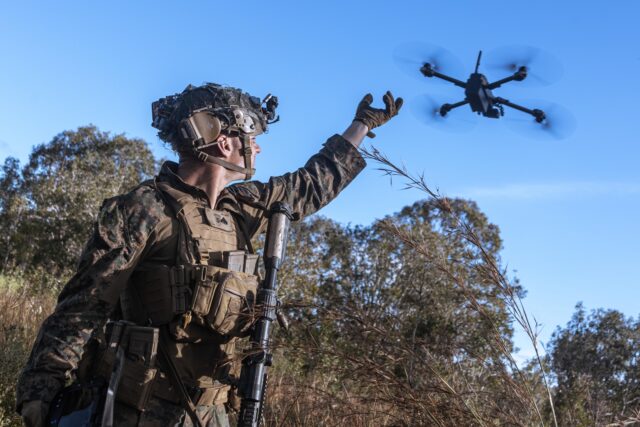
The funds allocated under this initiative will serve multiple critical functions within the military's operational framework. A significant portion of the $53.6 billion request is designated specifically for boosting domestic production capacity and procurement of advanced drone systems. The Pentagon recognizes that meeting future operational demands requires not only purchasing existing drone platforms but also ramping up manufacturing capabilities to ensure a continuous supply chain that can support sustained military operations across multiple theaters simultaneously.
Beyond procurement and production, the budget also encompasses substantial investments in training and personnel development. The military has identified a critical need to dramatically expand the cadre of trained drone operators capable of managing increasingly sophisticated autonomous systems. This training initiative will require construction of new facilities, development of advanced simulation capabilities, and recruitment of qualified personnel with the technical skills necessary to operate next-generation unmanned platforms. The comprehensive training program is designed to ensure that operators maintain proficiency and understanding of both current systems and emerging technologies.
An equally important component of this funding request addresses logistics and supply chain infrastructure. Sustaining large-scale drone operations across global military deployments requires extensive logistical support networks. The Pentagon's budget allocation includes resources for establishing and maintaining forward operating bases, supply depots, maintenance facilities, and personnel distribution systems specifically designed to support drone operations. This logistics infrastructure represents a critical but often overlooked aspect of maintaining operational effectiveness across distributed global operations.
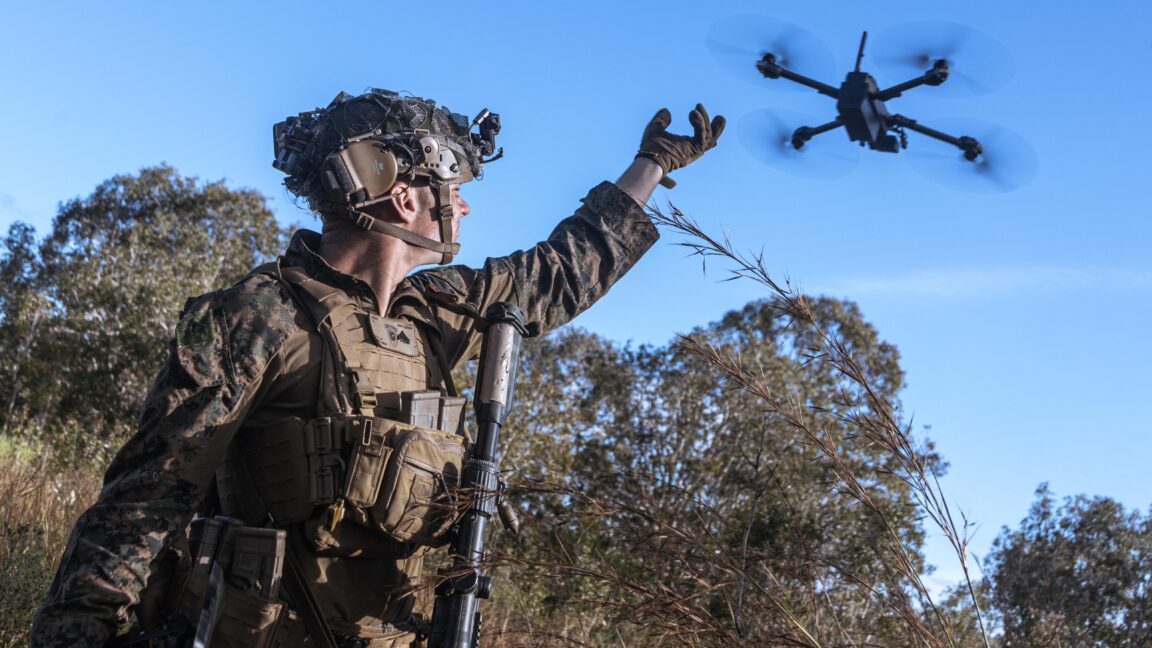
The budget request also incorporates substantial resources for developing and deploying counter-drone systems designed to protect US military installations and personnel from emerging unmanned threats. As adversaries increasingly develop their own drone capabilities, the Pentagon has determined that defensive countermeasures are essential for maintaining force protection. These counter-drone systems encompass a range of technological approaches, including radar detection, electronic jamming, directed energy weapons, and kinetic interception systems. The expansion of counter-drone capabilities across more military sites represents a recognition of the growing threat that adversarial drones pose to American military operations and personnel.
This unprecedented investment in drone technology and autonomous warfare systems operates under the auspices of the Defense Autonomous Warfare Group (DAWG), an organizational entity that was officially established in late 2025. The creation of DAWG represented an institutional response to the recognition that autonomous and unmanned warfare capabilities require dedicated, specialized oversight and coordination across the military services. By consolidating drone-related programs under a single administrative structure, the Pentagon aims to improve coordination, reduce redundancy, and accelerate innovation in autonomous systems development.
The budget growth for DAWG is particularly striking when examined in historical context. In the previous fiscal year, specifically the FY2026 budget cycle, the organization received approximately $226 million in funding. The current request for $53.6 billion represents a more than 236-fold increase in the organization's budget, reflecting the Pentagon's urgent prioritization of autonomous and drone warfare capabilities. This dramatic budget escalation demonstrates the military's assessment that investment in unmanned systems represents a strategic imperative for maintaining US military superiority in the twenty-first century.
The strategic rationale underlying this massive investment centers on several key military considerations. First, unmanned systems reduce risk to American personnel by conducting dangerous missions without putting pilots or operators in immediate physical danger. Second, drones and autonomous systems offer significant advantages in terms of operational reach, endurance, and the ability to conduct sustained operations over extended periods. Third, the distributed nature of drone operations allows for flexibility in deployment and rapid response to emerging threats across multiple geographical regions simultaneously.
The investment also reflects acknowledgment of global trends in military technology development. Competitors including China and Russia have invested heavily in their own drone programs, and the Pentagon views this allocation as necessary to maintain technological parity and superiority. By dramatically increasing investment in American drone capabilities, the Pentagon seeks to ensure that the United States maintains its technological edge and deterrent capability against potential adversaries developing their own advanced unmanned systems.
Looking forward, this substantial budget commitment is expected to catalyze significant innovation in the private defense sector, as contractors compete to develop next-generation platforms and supporting systems that meet Pentagon specifications. The funding levels provide confidence to military contractors that the government remains committed to drone and autonomous systems development, likely spurring investment in research and development facilities, workforce expansion, and technological breakthroughs in areas including artificial intelligence, sensor technology, and autonomous decision-making systems.
The FY2027 budget request ultimately represents a pivotal moment in military strategy and resource allocation. By investing more than $53 billion in drone and autonomous warfare capabilities, the Pentagon is making a clear statement about the future direction of American military power. This commitment signals that the military establishment views unmanned systems not as supplementary capabilities but as core components of future force structure, deserving investment levels that rival or exceed those allocated to traditional manned platforms and weapons systems.
Source: Ars Technica


