
Record-Breaking El Niño Could Push Global Temps to Historic Highs

Scientists warn of potentially record-shattering global temperatures as El Niño strengthens. Explore what this powerful climate event means for our planet's future.
The world is bracing for what meteorologists and climate scientists describe as a potentially transformative weather phenomenon. As El Niño conditions intensify throughout 2024, the scientific community has grown increasingly confident that this climate event could rank among the most powerful ever recorded in modern history. The implications for global temperatures, weather patterns, and environmental systems are profound and far-reaching, prompting urgent discussions among climate experts worldwide.
El Niño, a naturally occurring oceanic and atmospheric phenomenon centered in the tropical Pacific Ocean, fundamentally alters weather patterns across the globe. During typical El Niño events, the warming of ocean waters in the equatorial Pacific triggers cascading effects that reverberate through Earth's climate system. When a very strong El Niño develops, the consequences become exponentially more significant, potentially pushing global temperatures to unprecedented levels and disrupting weather systems that billions of people depend upon for their daily lives and livelihoods.
Scientists monitoring ocean temperatures and atmospheric conditions have observed the hallmark signatures of a developing El Niño episode intensifying throughout recent months. The data collection efforts involve sophisticated satellite systems, ocean buoys, and advanced monitoring networks that track subtle changes in sea surface temperatures, ocean currents, and atmospheric pressure patterns. These observations have provided meteorologists with increasingly compelling evidence that current conditions could produce one of the strongest El Niño events documented since modern record-keeping began in the mid-20th century.

The development of such a powerful El Niño carries significant implications for global climate patterns and weather extremes. Historically, very strong El Niño events have been associated with measurable increases in record global temperatures, often contributing to years that rank among the warmest in instrumental records. Beyond temperature increases, El Niño episodes trigger complex atmospheric and oceanic changes that can result in droughts in some regions, excessive rainfall in others, and disrupted hurricane patterns across multiple ocean basins. These consequences extend far beyond academic interest, affecting agricultural productivity, water availability, and economic stability in vulnerable regions worldwide.
Climate modeling teams have utilized advanced computational systems to project potential outcomes under various scenarios involving this developing El Niño event. These sophisticated models incorporate decades of historical climate data, current observational measurements, and our understanding of ocean-atmosphere interactions to generate forecasts of temperature anomalies and precipitation patterns. The consensus emerging from these analyses suggests that global temperature records established in previous years could face serious challenges from the intensifying El Niño conditions, particularly when combined with underlying long-term warming trends from greenhouse gas emissions.
One of the critical aspects of the current situation involves understanding how this natural climate variability interacts with anthropogenic climate change. While El Niño is a cyclical natural phenomenon that has occurred throughout Earth's history, its effects in the modern era occur against a backdrop of elevated baseline temperatures caused by human activities. This combination creates a concerning scenario where natural variability amplifies underlying warming trends, potentially producing temperature records that exceed previous extremes by substantial margins.
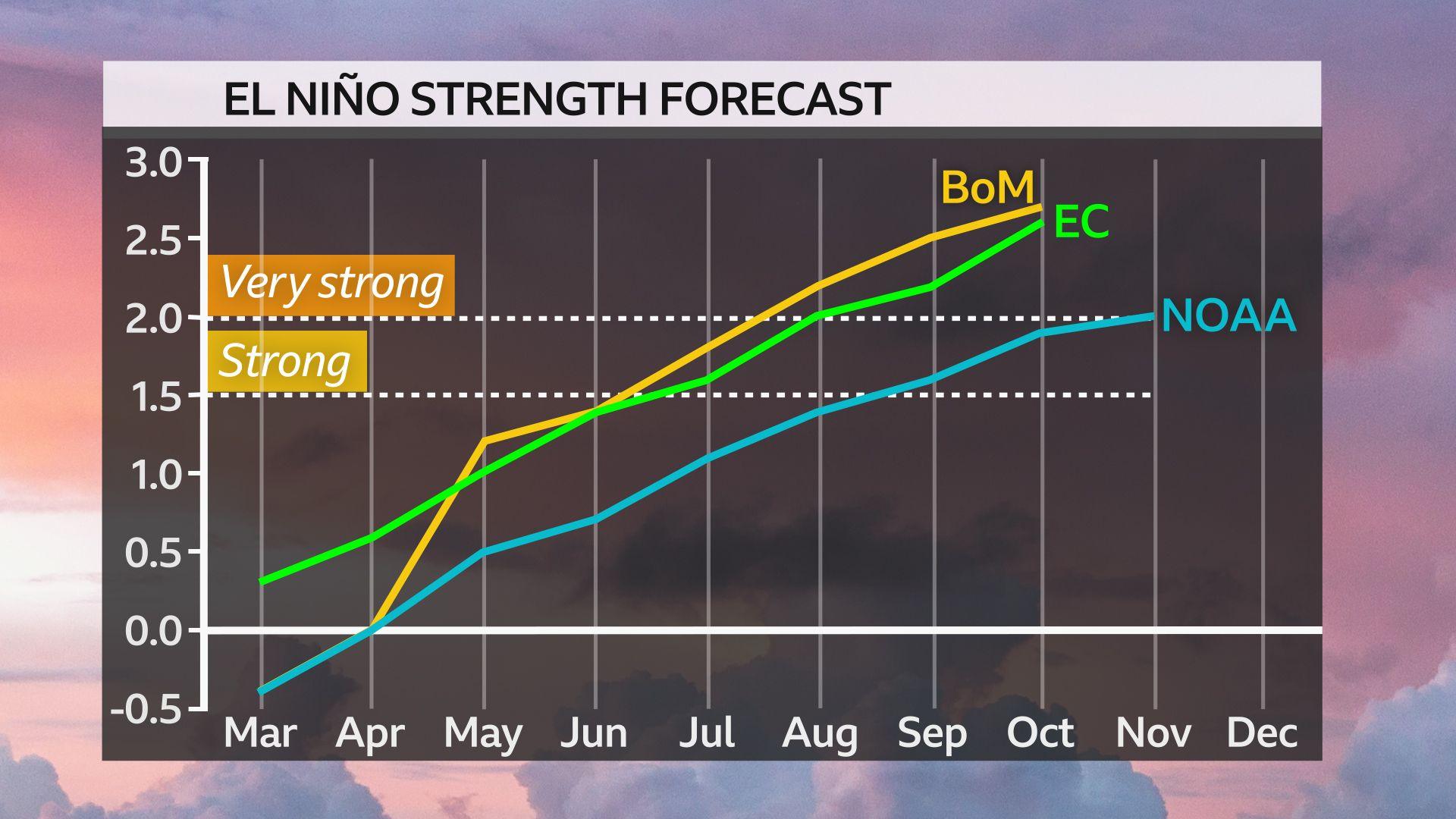
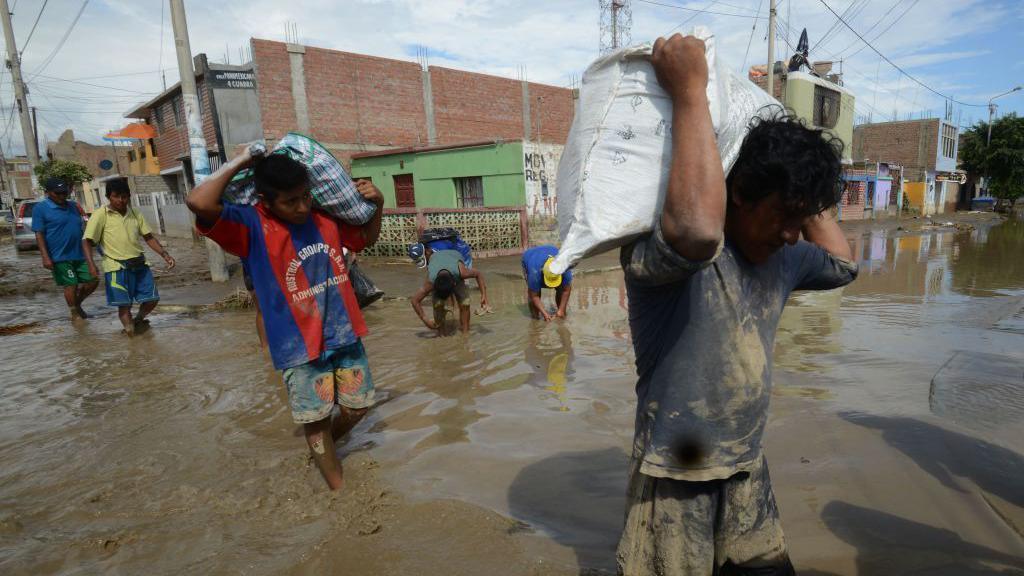
Regional impacts from a very strong El Niño would be distributed unevenly across the planet, with some areas experiencing more dramatic effects than others. The tropical Pacific region and areas with strong teleconnections to Pacific climate patterns typically experience the most pronounced changes. Southeast Asia, India, parts of Africa, and the Americas have all experienced significant climate disruptions during past strong El Niño events, including prolonged droughts, flooding, and severe weather events that devastated agricultural regions and strained water resources.
Agricultural communities in vulnerable regions face particular concern as El Niño-driven climate anomalies can substantially impact crop yields and livestock productivity. Climate change impacts from El Niño are especially acute in developing nations with limited adaptive capacity and economies heavily dependent on agricultural output. Food security officials and international agricultural organizations have begun preparing contingency plans and communication strategies to help farming communities adapt to potential climate disruptions associated with the developing El Niño event.
The scientific institutions monitoring these developments maintain comprehensive networks of observation systems designed to track El Niño evolution in real-time. These monitoring capabilities allow researchers to detect changes in ocean conditions, atmospheric circulation patterns, and other indicators that provide advance warning of major climate shifts. Continuous data streams from satellites, ocean-based measurement systems, and ground stations feed into automated analysis systems that generate regular updates on El Niño status and intensity.
Understanding El Niño's mechanics requires appreciating the intricate coupling between ocean and atmosphere systems. Normally, trade winds push warm water westward across the tropical Pacific, maintaining relatively cool conditions in the eastern Pacific. During El Niño development, these trade winds weaken considerably, allowing warm water to spread eastward and suppress the upwelling of cold, nutrient-rich water that typically characterizes the eastern Pacific region. This fundamental reorganization of the tropical ocean system triggers atmospheric teleconnections that extend El Niño's climate influence across vast distances.
The potential for record temperatures becomes increasingly probable as El Niño strengthens, particularly when examined in the context of accumulated climate data. Scientists have access to instrumental temperature records spanning more than 150 years, supplemented by paleoclimate reconstructions extending climate knowledge back centuries. These extensive datasets allow researchers to contextualize current conditions within the broader scope of natural climate variability and identify patterns suggesting whether current El Niño development could genuinely rank as exceptional by historical standards.
International climate monitoring organizations have intensified their communication efforts to ensure that policymakers, emergency managers, and public health officials receive timely information about developing El Niño conditions and potential consequences. This coordinated communication approach reflects recognition that climate events of this magnitude require preparation and adaptation planning across multiple sectors of society. Early warning systems enable governments to implement water conservation measures, adjust energy policies, prepare disaster response capabilities, and undertake other preventive actions that can reduce El Niño-related damages.
The intersection of natural climate variability through El Niño and human-caused climate change presents a formidable challenge for global climate stability. Scientists emphasize that while El Niño is a recurring natural phenomenon, its intensity and impacts occur within a fundamentally altered climate context compared to previous centuries. The accumulation of greenhouse gases in the atmosphere has established a new climate baseline, warmer than pre-industrial conditions, upon which natural climate cycles like El Niño now operate, effectively amplifying their potential consequences.
As monitoring systems continue tracking this developing El Niño event, the scientific community remains vigilant for any indicators suggesting the event could intensify beyond current projections or behave in unexpected ways. Climate science continues advancing through improved observational technologies, enhanced computational capabilities, and deeper understanding of underlying physical processes. These scientific advances enable increasingly sophisticated characterization of developing climate events and more reliable projections of potential consequences, providing valuable information to support informed decision-making by societies confronting the implications of powerful natural climate variability superimposed on long-term climate change.
Source: BBC News


