
Slay the Spire 2: Familiar Roguelike Challenges

Slay the Spire 2 revisits the beloved deckbuilding roguelike, but does it offer enough new content to keep veterans engaged? Dive into our in-depth analysis.
Do you remember the joyful satisfaction you felt when you really started to understand Slay the Spire? This isn't a totally rhetorical question. If you're reading this piece about Slay the Spire 2—published roughly a week into what promises to be a lengthy Early Access period—I have to assume you've put in dozens, if not hundreds (or thousands?) of hours with the original Slay the Spire. At this point, the game probably feels less like a game and more like a comfortable old pair of sneakers. You probably have a favorite character, a preferred set of card synergies to focus on building for that character, and a set of alternative strategies to aim for when the vagaries of chance make that preferred strategy impossible. The game's plentiful randomization makes each run feel a bit different, but the contours of those runs start to feel a little common to anyone who has tinkered with the game for years.
But think back, if you can, to when Slay the Spire was an exciting new challenge. Remember those first few runs, when you were still deep in the trial-and-error phase of your Slay the Spire journey. You still had to read each new card carefully as it appeared, developing potential strategies on the fly and weighing key deckbuilding and power-building decisions for minutes at a time to maximize your chance of survival. Sure, you failed a lot. But you got 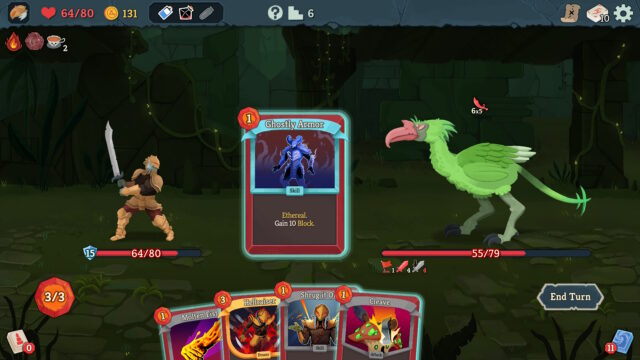
Therein lies the key challenge for Slay the Spire 2: How do you create something that feels new and exciting for veterans of the series, while still maintaining the core deckbuilding, combat, and progression loop that made the original so compelling? Based on the opening hours of the sequel, the answer seems to be: not much. Slay the Spire 2 is, at its core, a continuation of the same basic formula that made the original a hit. The visual style, the narrative structure, and the underlying gameplay mechanics all feel familiar to anyone who has spent time with the first game.
That's not to say there aren't any changes or new additions. The sequel introduces a new playable character, the Wanderer, who brings a distinct playstyle focused on manipulating and interacting with status effects. There are also new enemy types, new cards, and new relics (the game's version of persistent upgrades) that shake up the formula in small but meaningful ways. But for the most part, if you've played Slay the Spire, you already have a pretty good idea of what to expect from Slay the Spire 2. 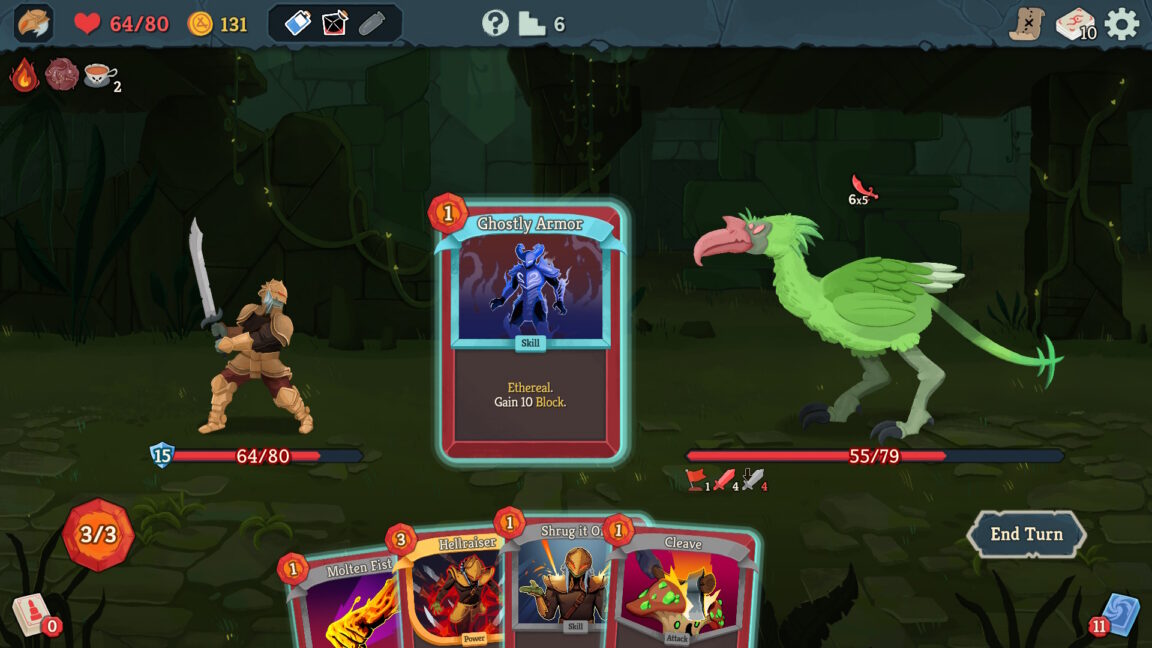
That may not be an issue for some players. After all, the original Slay the Spire was such a pitch-perfect execution of the deckbuilding roguelike formula that a more iterative sequel could still be immensely enjoyable, especially for those who have been eagerly awaiting a chance to dive back into the game's challenging yet satisfying core loop. But for those looking for a more dramatic reinvention or expansion of the formula, Slay the Spire 2 may feel a bit too familiar.
Ultimately, Slay the Spire 2 is a game that will likely appeal most to the game's existing fanbase, those who are eager to dive back into the challenging but rewarding deckbuilding and combat that made the original such a hit. For those players, the sequel may offer enough new content and wrinkles to the formula to justify a return trip up the Spire. But for those looking for a more radical departure, the game may feel a bit too similar to the original to truly captivate. 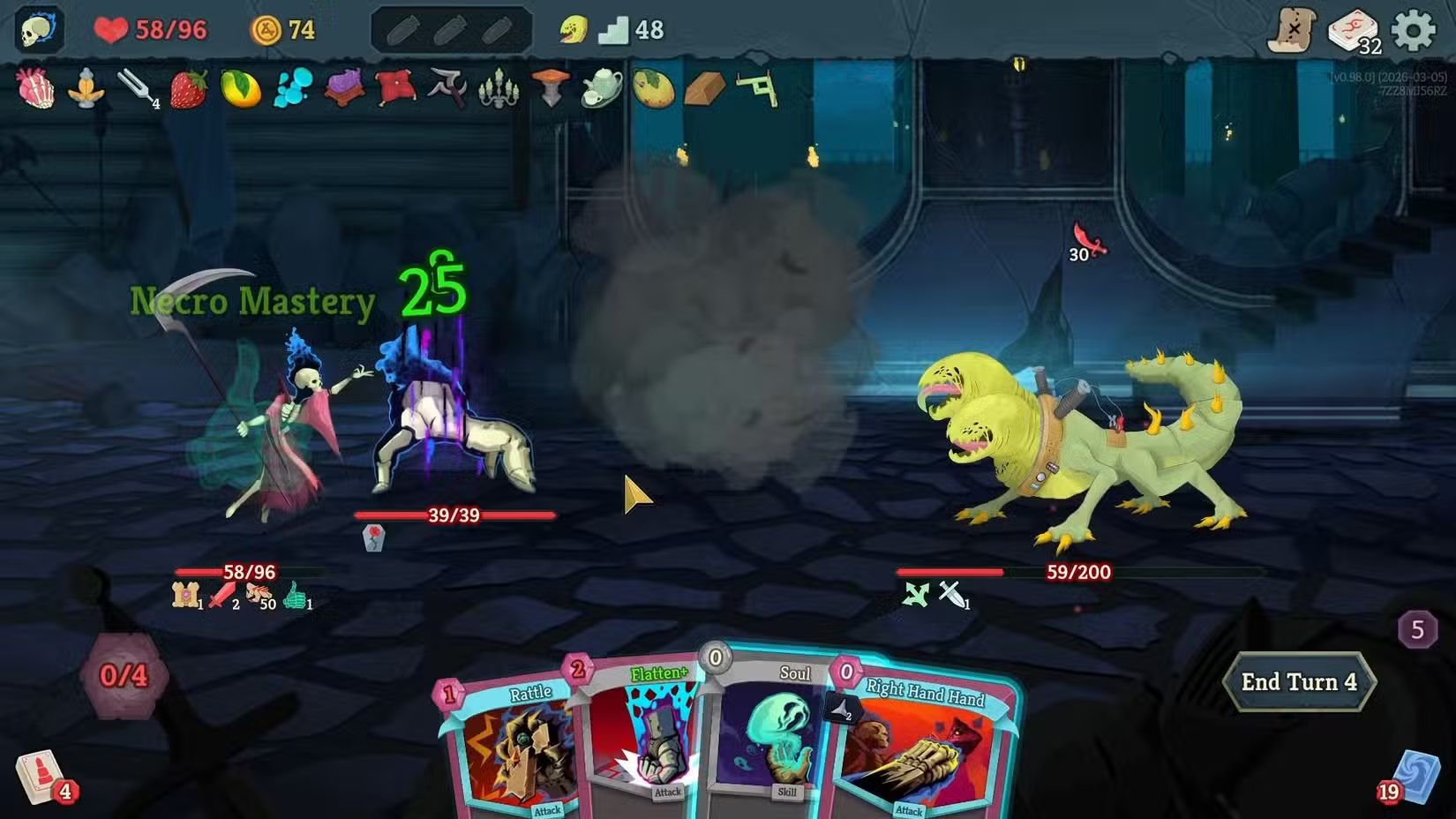
Source: Ars Technica


