
Whale Rescue Criticized Over Faulty Tracker

Marine experts slam privately-funded humpback whale rescue operation after tracking device fails. Timmy's whereabouts unknown days after release off Denmark.
The ambitious rescue operation of a stranded humpback whale off Germany's Baltic Coast has become increasingly controversial among the scientific community. Marine biologists and whale experts have intensified their public criticism of the privately funded initiative, raising serious questions about the mission's execution and outcomes. The controversy has centered on critical operational failures that have left the rescued animal's fate uncertain and the intervention's overall effectiveness in serious doubt.
A young male humpback whale, affectionately named Timmy after one of the sandbanks where it became stranded, was subjected to an elaborate and expensive rescue operation spanning several weeks. The whale rescue involved transporting the distressed marine mammal in a specially constructed water-holding barge, towed by powerful tugboats across challenging waters toward Denmark's coast. What was intended to be a successful intervention showcasing human compassion and technical capability has instead become a case study in operational mishaps and insufficient planning.
The most damaging revelation came when it was discovered that the tracking device fitted to Timmy's body was malfunctioning, rendering it completely ineffective for monitoring purposes. This critical equipment failure means that marine experts have absolutely no way to verify Timmy's current location, health status, or behavioral patterns following the release. Three days after the transportation operation was completed, complete uncertainty surrounds every aspect of the whale's post-rescue condition.

The humpback whale release operation, which concluded with Timmy being transported to waters off the Danish coast, has raised fundamental questions about rescue methodologies and the importance of proper equipment functionality. Specialists have pointed out that without reliable tracking capabilities, there is no scientific basis for claiming the mission was successful or determining whether the whale's welfare has genuinely improved since the intervention began. The lack of post-release monitoring data makes it impossible for researchers to assess survival rates or behavioral adaptation to the new environment.
Leading figures in marine conservation have been unsparing in their assessments of what went wrong throughout this rescue initiative. Many experts have characterized the entire operation as poorly conceived and executed, with insufficient attention paid to essential details like equipment testing and verification protocols. The privately funded nature of the rescue appears to have allowed critical procedural shortcuts that would never be tolerated in academically or institutionally supervised marine operations.
The original stranding situation that prompted the rescue occurred when Timmy became trapped in shallow waters along Germany's Baltic Coast, a region where humpback whale sightings are increasingly unusual due to changing migration patterns. The whale's arrival in these waters was itself notable, as humpbacks typically follow well-established migration routes that do not normally bring them to the Baltic region. Rescue coordinators faced pressure to act quickly, but this urgency apparently led to overlooking fundamental safety and monitoring protocols.
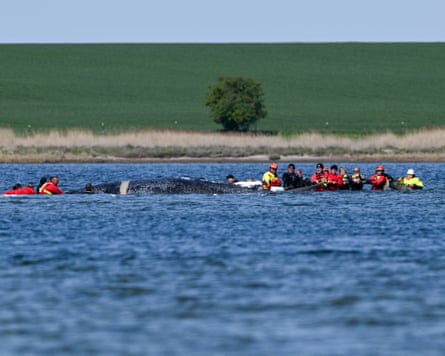
The technical challenge of transporting a large cetacean safely requires sophisticated equipment and expertise that many private organizations may lack. The decision to use a water-holding barge represented a significant logistical undertaking, requiring coordination between multiple agencies and specialized maritime operators. However, the execution of this complex maneuver apparently did not include adequate preparation for post-release monitoring, which is arguably as critical as the transportation itself.
Criticism from the scientific community emphasizes that proper whale tracking technology is essential for understanding rescue outcomes and contributing to knowledge about marine mammal welfare. When tracking systems fail, researchers lose the ability to contribute data to broader scientific understanding of whale behavior, migration, and adaptation to various environmental conditions. The failure of Timmy's monitoring equipment represents not just a missed opportunity for individual animal care documentation, but a loss of valuable scientific data that could inform future conservation efforts.
The broader context of whale stranding events reveals that rescue operations are increasingly common as marine mammals face changing ocean conditions, food source migrations, and other environmental pressures. Experts note that successful rescue outcomes depend on multiple factors beyond the initial transportation phase, including proper acclimation to new environments, sustained health monitoring, and long-term behavioral tracking. Premature celebration of rescue successes, without confirmed evidence of animal survival and wellbeing, can give the public a false impression of how difficult marine mammal conservation actually is.
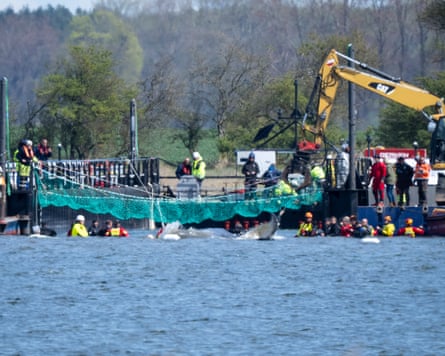
The financial investment in Timmy's rescue operation, while demonstrating admirable concern for individual animal welfare, has also raised questions about resource allocation in marine conservation. Some experts argue that equivalent funding directed toward habitat protection, pollution reduction, and climate adaptation measures might prevent multiple stranding events from occurring in the first place. The tension between rescue-focused interventions and preventative conservation strategies continues to generate debate within marine science communities worldwide.
Looking forward, this case study will likely influence how privately funded rescue operations are conducted and regulated in the future. Marine scientists are advocating for standardized protocols that mandate equipment testing, backup monitoring systems, and mandatory post-release surveillance programs. The absence of these safeguards in Timmy's case represents a significant gap that should be addressed through improved industry standards and regulatory oversight.
The ultimate uncertainty regarding Timmy's fate remains the most troubling aspect of this entire situation. Without tracking data, experts cannot confirm whether the whale survived the stress of transportation, successfully adapted to its new location, or fell victim to disorientation or other post-release complications. This information gap highlights the critical importance of every component in rescue operations, from initial planning through long-term monitoring and follow-up assessment.
The whale rescue failure at the equipment level serves as a cautionary tale about the necessity of comprehensive preparation and contingency planning in marine mammal interventions. As climate change and environmental degradation continue to increase stranding events globally, the importance of developing robust, reliable rescue protocols becomes increasingly apparent. The experience with Timmy demonstrates that good intentions, without rigorous scientific planning and execution, can result in outcomes that are difficult to evaluate and potentially ineffective in advancing either individual animal welfare or broader conservation goals.
Source: The Guardian


