
Trump's 'Project Freedom': From War Drums to Peace Prize Hopes

President Trump shifts strategy from Iran rhetoric to humanitarian mission. Explore the dramatic pivot in 'Project Freedom' and what it means for US foreign policy.
In a dramatic reversal that has become increasingly characteristic of his political approach, President Trump has pivoted from aggressive military posturing to promoting a humanitarian initiative that he has branded "Project Freedom." The shift represents another chapter in what observers have dubbed the Trump Show—a political narrative that combines theatrical flair, unexpected reversals, and grand proclamations designed to capture public attention and reshape the political landscape. This latest transformation underscores the unpredictable nature of contemporary American foreign policy under Trump's leadership.
Just days before announcing his peace initiative, Trump had been aggressively beating the drums of war. During a long weekend retreat in Florida, the president utilized social media platforms to declare that Iran had not "paid a big enough price" for what he characterized as past misdeeds and regional provocations. His rhetoric was deliberately inflammatory, employing language designed to energize his base and signal a hardline stance on Middle Eastern affairs. The messaging seemed calculated to project strength and resolve, particularly among his most loyal supporters who favor a confrontational approach to international relations.
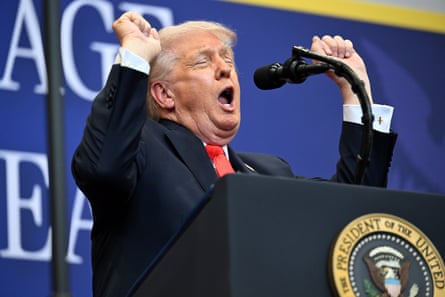
The theatrical crescendo of his wartime rhetoric reached a peak during a Friday afternoon rally at The Villages, America's largest retirement community located in central Florida. Standing before a cheering crowd of thousands, Trump worked the audience with the practiced ease of a seasoned entertainer, amplifying his warnings about Iran and the need for American military assertiveness. The event typified his campaign style—energetic, populist-focused, and designed to generate media coverage and social media engagement. Observers at the time expected his belligerent posture to continue escalating.
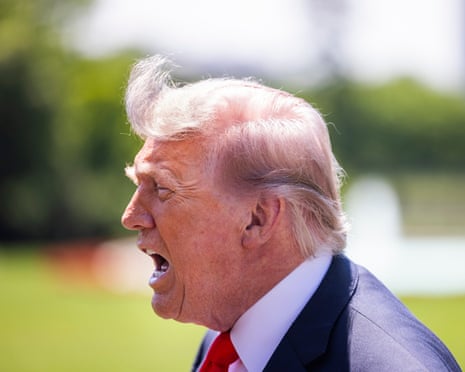
Yet within days, Trump unveiled a startling new direction, one that appeared to contradict his recent inflammatory statements. "Project Freedom" emerged as his latest initiative, complete with all the branding and presentation that characterizes his approach to major policy announcements. The project centers on a humanitarian mission focused on what Trump described as freeing ships that had become marooned in international waters, presumably due to regional conflicts or international sanctions regimes. The sudden pivot left political analysts scrambling to reconcile the aggressive military rhetoric with this apparent embrace of humanitarian concerns.
The initiative was framed in language that seemed designed to appeal to Trump's desire for international recognition and legacy-building. Observers noted the clear attempt to position the president in Nobel Peace Prize consideration—a recurring theme in Trump's communications strategy. By coupling humanitarian action with peace-oriented messaging, the initiative presented Trump as a leader concerned not merely with military dominance but with solving international crises through constructive engagement. This rebranding appeared calculated to attract both his core supporters and moderate voters skeptical of unnecessary military entanglement.
The mechanism of "Project Freedom" involved mobilizing American naval and diplomatic resources to address the maritime crisis affecting commercial shipping. Ships trapped in conflict zones or restricted by international sanctions represented a tangible human and economic problem that could be addressed through coordinated international action. By framing the initiative as humanitarian rather than military, Trump sought to demonstrate leadership capacity without the political costs associated with conventional military operations. The approach reflected a sophisticated understanding of how foreign policy initiatives could be packaged and sold to domestic and international audiences.

Political observers and media commentators immediately seized upon what they characterized as a classic Trump maneuver: the dramatic policy reversal packaged as strategic innovation. The "Trump Show" metaphor became particularly apt, as the president's approach demonstrated an understanding that modern politics operates according to narrative and presentation. His ability to shift messaging within days while maintaining rhetorical consistency before his core supporters suggested a sophisticated grasp of media dynamics and audience segmentation. Different constituencies received different narratives emphasizing different aspects of the same policy initiative.
The international response to "Project Freedom" proved mixed and complex. Allies and adversaries alike attempted to interpret whether the shift represented genuine policy change or merely tactical repositioning. Regional actors in the Middle East remained uncertain whether the humanitarian framing masked continued military preparations or reflected authentic strategic recalibration. The ambiguity itself became part of the initiative's character, maintaining leverage across multiple audiences while avoiding binding commitment to any single interpretation of Trump's intentions.
Within the broader context of Trump's foreign policy approach, "Project Freedom" exemplified recurring themes: the importance of narrative control, the primacy of personal brand management, and the willingness to execute sharp tactical shifts when circumstances or audience reception warrant adjustment. The initiative represented neither purely aggressive nor purely humanitarian policy, but rather a hybrid approach that attempted to satisfy multiple constituencies with different foreign policy preferences. This flexibility, whether viewed as strategic pragmatism or unprincipled opportunism, had become increasingly characteristic of Trump's political method.
The "Project Freedom" announcement also reflected broader currents within American politics regarding the appropriate balance between military strength and humanitarian engagement. Trump's positioning suggested recognition that sustained public support for active military operations had eroded, necessitating reframing international engagement in more palatable humanitarian terms. By demonstrating concern for civilian welfare and commercial interests, the president could maintain hawkish credentials while appearing responsive to concerns about unnecessary military escalation.
Looking forward, observers anticipated that "Project Freedom" would develop according to the patterns established in Trump's previous major initiatives. Initial grandiose announcements would be followed by months of diplomatic and logistical implementation, with the narrative constantly adjusted based on domestic political developments and international response. The ultimate success or failure of the initiative would be measured not only by concrete outcomes but by its effectiveness in shaping public perception and media narrative.
The dramatic pivot from war rhetoric to peace initiatives demonstrated that contemporary political theater operates according to its own logic, often divorced from conventional measures of strategic consistency or policy coherence. Trump's ability to execute such reversals while maintaining political viability suggested that modern electorates respond less to policy consistency than to compelling narrative and perceived strength. "Project Freedom" thus represented not a contradiction of Trump's previous positions but rather their evolution into new rhetorical frameworks better suited to current political circumstances and public sentiment regarding America's international role.
Source: The Guardian


